Divine Provision: Trusting God's Care
"Consider the ravens: for they neither sow nor reap; which neither have storehouse nor barn; and God feedeth them: how much more are ye better than the fowls?" - Luke 12:24
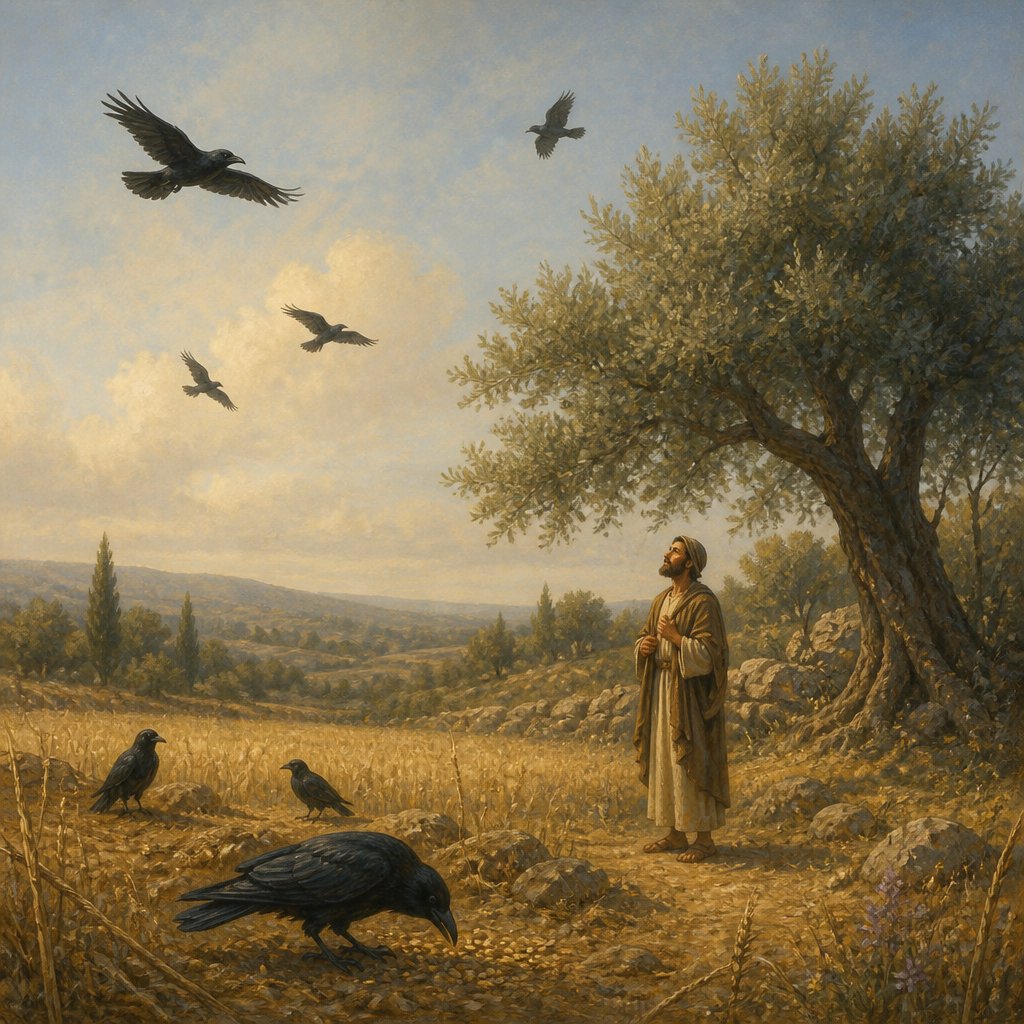
In the hustle and bustle of life, amid the worries and uncertainties that frequently cloud our minds, the words of Jesus in Luke 12:24 ring with a profound yet gentle clarity: "Consider the ravens: for they neither sow nor reap; which neither have storehouse nor barn; and God feedeth them: how much more are ye better than the fowls?" This verse invites us to take a step back from our anxieties and contemplate a powerful truth about God’s provision and our value in His eyes.
To begin unraveling the depth of this verse, we must first consider the ravens themselves. Ravens are often viewed as scavengers; they are not known for their agricultural abilities, nor do they store food like other birds might. They live in the moment, relying solely on what God provides them each day. This imagery presents a striking contrast to our human tendencies to plan meticulously, hoard resources, and fret over future uncertainties. Jesus uses the raven as a symbol of dependence on divine provision, a concept that must resonate deeply within us as we traverse our daily lives filled with stress and pressure to achieve.
When Jesus calls us to observe the ravens, He is inviting us into contemplative reflection. Ravens, although seemingly insignificant in the grander scheme of creation, are cared for by God. He feeds them day by day, showing us that divine attention is given even to the most unremarkable creatures. It brings us to a pivotal realization: if God cares for the ravens, how much more does He care for us, His beloved creation made in His own image? This thought should elicit a comforting assurance within our hearts that we are not overlooked or forgotten.
To further grasp the significance of this passage, we must consider the context of Jesus’ teaching in Luke 12. He is addressing the crowd amidst a discussion about anxiety and worry. He understands the human condition, our propensity to be anxious about life—food, clothing, and tomorrow’s needs. By encouraging the crowd to "consider the ravens," He prompts them—and us—to shift our focus from our fears to the faithfulness of God. This redirection is not merely a suggestion; it is an invitation to trust in the character of God as the ultimate provider.
Additionally, the phrase, "how much more are ye better than the fowls?" is a powerful declaration of our significance. It begs the question: what do we truly believe about our worth in the eyes of God? Too often, we base our value on our accomplishments, possessions, or societal status. However, Jesus lovingly reminds us that our worth is intrinsic and immeasurable, rooted in our identity as children of God. We are cherished creations, deserving of His provision, and designed to live in the assurance of His care.
As we meditate on this scripture, let us ask ourselves: What areas of our lives do we struggle to trust God for? Are we relying too heavily on our own efforts to secure our needs? The assurance that God provides for even the smallest of creatures liberates us from the bondage of worry and anxiety. It calls us into a deeper faith—a faith that allows us to rest in God's promises and His often-subtle yet undeniable provision in our lives.
Moreover, this verse serves as a reminder that our prayer lives must be rooted in trust, not just in asking God to meet our needs but in fully understanding that He knows and provides for those needs better than we do. When we comprehend this truth, we remove the weight of self-sufficiency from our shoulders and allow grace to guide us.
In conclusion, let the image of the raven serve as a gentle reminder of God’s unceasing care. As we release our worries and lean into that trust, we not only find peace but also become living testimonies of God’s faithfulness. Let us consider the ravens, and in doing so, let our hearts be free to bask in the truth of God's love and provision.
Want to reflect more on Luke 12:24?
Continue your spiritual journey with Bible Chat — an AI-powered tool for exploring God's Word through conversation. Ask questions, discover connections, and deepen your understanding.
Get Our Apps


Luke 12:24 Artwork

Luke 12:24 - "Consider the ravens: for they neither sow nor reap; which neither have storehouse nor barn; and God feedeth them: how much more are ye better than the fowls?"

Luke 12:24-27 - "Consider the ravens: They do not sow or reap, they have no storeroom or barn; yet God feeds them. And how much more valuable you are than birds! Who of you by worrying can add a single hour to your life? Since you cannot do this very little thing, why do you worry about the rest? Consider how the wild flowers grow. They do not labor or spin. Yet I tell you, not even Solomon in all his splendor was dressed like one of these."
"Consider the ravens: for they neither sow nor reap; which neither have storehouse nor barn; and God feedeth them: how much more are ye better than the fowls?" - Luke 12:24
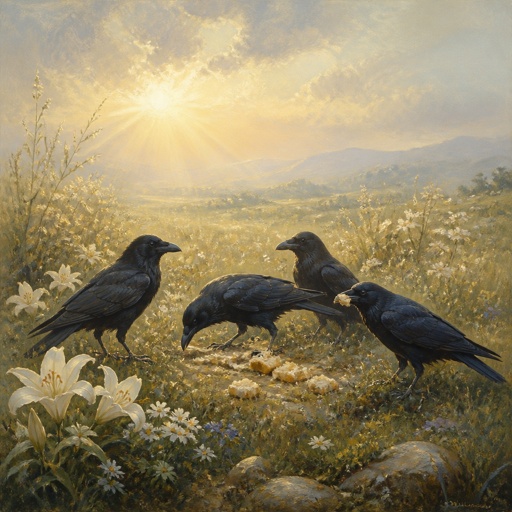
"Consider the ravens: They do not sow or reap, they have no storeroom or barn; yet God feeds them. And how much more valuable you are than birds! Who of you by worrying can add a single hour to your life? Since you cannot do this very little thing, why do you worry about the rest? Consider how the wild flowers grow. They do not labor or spin. Yet I tell you, not even Solomon in all his splendor was dressed like one of these." - Luke 12:24-27

James 1:2-4

James 1: 2-4

Joel 1:2-4, 13-20

Luke 24:12 - "Then arose Peter, and ran unto the sepulchre; and stooping down, he beheld the linen clothes laid by themselves, and departed, wondering in himself at that which was come to pass."

Luke 24:12 But Peter arose and ran to the tomb; and stooping down, he saw the linen cloths lying by themselves; and he departed, marveling to himself at what had happened.

Luke 24:12 But Peter arose and ran to the tomb; and stooping down, he saw the linen cloths lying by themselves; and he departed, marveling to himself at what had happened.

Luke 24:12 But Peter arose and ran to the tomb; and stooping down, he saw the linen cloths lying by themselves; and he departed, marveling to himself at what had happened.

Luke 24:1

Luke 24:35

Luke 24:42

Luke 21:24

Luke 13:24

luke 24:17

2 Samuel 1:2-4 David is shocked the man is scared image in color

2 Samuel 1:2-4 David is shocked the man is scared image in color

Luke 24:8 - "And they remembered his words,"

Luke 24:13-35

LUKE 24:41-43

Luke 24:48 - "And ye are witnesses of these things."

Luke 24:24 - "And certain of them which were with us went to the sepulchre, and found it even so as the women had said: but him they saw not."

Luke 24:3 - "And they entered in, and found not the body of the Lord Jesus."

Luke 23:24 - "And Pilate gave sentence that it should be as they required."

Luke 24:45 - "Then opened he their understanding, that they might understand the scriptures,"

Luke 24:52 - "And they worshipped him, and returned to Jerusalem with great joy:"

Luke 24:16 - "But their eyes were holden that they should not know him."

Luke 24:42 - "And they gave him a piece of a broiled fish, and of an honeycomb."