The Blessing of Sacrifice: A Deeper Look at Leviticus 9:22
"And Aaron lifted up his hand toward the people, and blessed them, and came down from offering of the sin offering, and the burnt offering, and peace offerings." - Leviticus 9:22
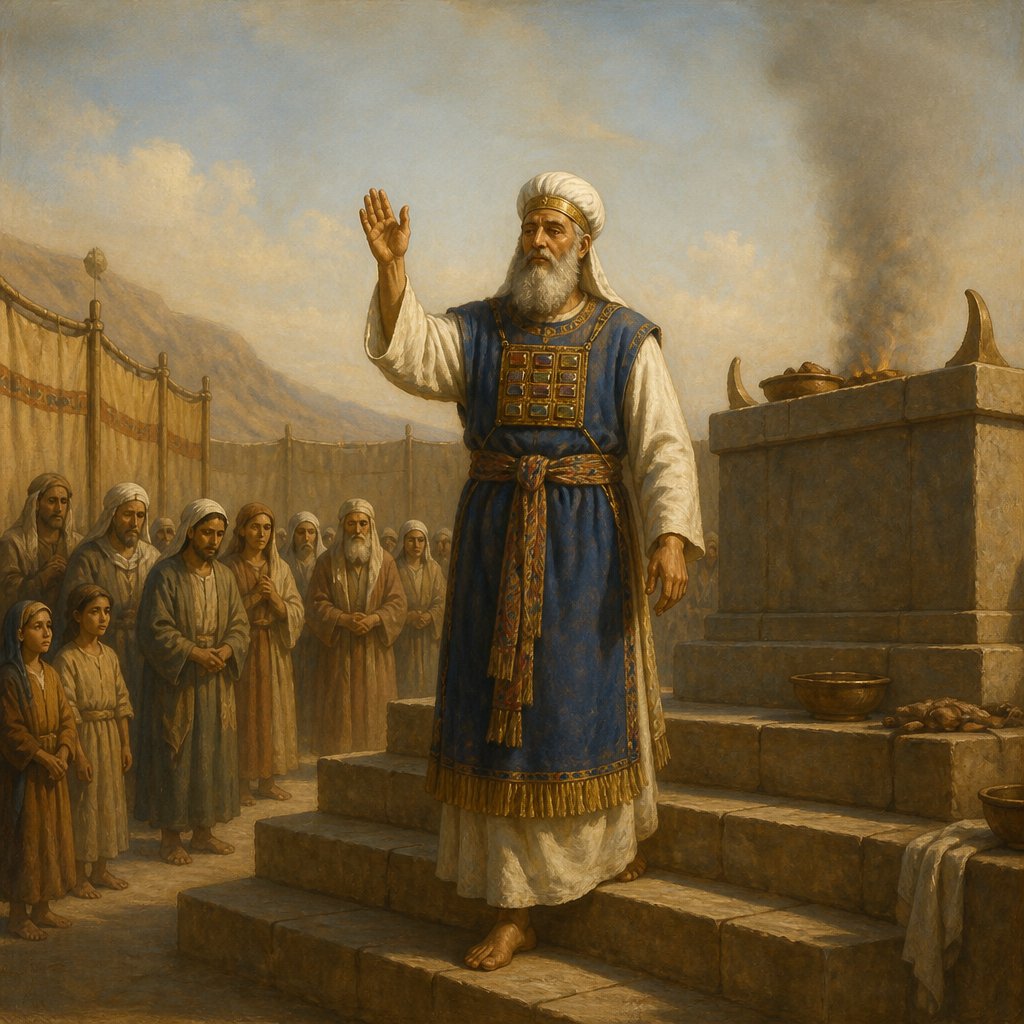
In our fast-paced world brimming with distractions, the act of blessing often takes on a surface-level significance, where it has become a courteous gesture rather than a profound spiritual exchange. Leviticus 9:22 reads, "And Aaron lifted up his hand toward the people, and blessed them, and came down from the offering of the sin offering, and the burnt offering, and peace offerings" (KJV). This verse encapsulates a moment steeped in tradition, sacrifice, and divine connection that invites us to consider the gravity and joy of blessing others in our lives.
In this passage, Aaron, the High Priest, stands in a unique mediatorial role between God and the people of Israel. He has just performed the crucial sacrificial rites, shedding blood for the sin offering that represents the atonement of the people’s transgressions. It acts as a vivid reminder of the seriousness of sin and the high cost required for reconciliation with God. In a society like that of ancient Israel, sacrifices were not mere rituals but essential acts of worship that fostered a relationship with God.
When Aaron lifts his hand towards the people to pronounce a blessing, it symbolizes his authoritative position as the mediator—one who intercedes on behalf of the community. He does not do so lightly; he offers prayers and blessings that invoke God’s favor, protection, and peace. This moment of blessing is one of the most sacred in worship, transitioning from a space of confession and repentance to one of hope and encouragement. Aaron's act is not just a farewell but an infusion of God’s grace into the lives of those assembled.
In our context today, the act of blessing others can often feel diluted by formality. We might say “bless you” in passing or offer well wishes without weight. However, we are called into a deeper understanding, similar to that of Aaron, who recognized the significance of his intercessory role. Every time we bless someone, we communicate a sense of God’s presence, intentions, and peace. It places our hearts in alignment with God’s purposes for others.
Moreover, Aaron's offerings—the sin offering, burnt offering, and peace offerings—each play a distinct role in forming a complete picture of atonement and communion with God. The sin offering addresses our failings; the burnt offering, which was wholly consumed by fire, signifies total surrender to God; and the peace offering celebrates the restoration of fellowship between God and the people. Each sacrifice serves as a profoundly humbling reminder that blessing is rooted in acknowledgment of our own need for mercy and grace—a truth we must carry as we seek to bless others.
As we reflect on our own practices of blessing, let us ask ourselves: How do we approach the act of blessing? Are we merely fulfilling an obligation, or are we deeply engaged with God’s heart and intentions for those around us?
In the same way that Aaron descended from a place of sacrificial worship, we too must recognize that our ability to bless others comes from recognizing the cost that has been paid for us through Christ’s ultimate sacrifice on the cross. When we embrace the reality of His love, we are better equipped to extend that love outward. We engage in a blessing that is informed by the understanding of our own redemption, leading to an overflow of gratitude that blesses others.
In conclusion, let us see each blessing we extend as a bridge connecting us to God’s purposes in the lives of others. Let us become vessels of His peace, as figureheads of joy, and as hands uplifted in loving intercession, much like Aaron, creating a legacy of grace that sustains our communities for generations to come. Blessings do not merely come from our lips; they arise from a heart attuned to the sacred, transforming lives—starting with our own.
Want to reflect more on Leviticus 9:22?
Continue your spiritual journey with Bible Chat — an AI-powered tool for exploring God's Word through conversation. Ask questions, discover connections, and deepen your understanding.
Get Our Apps


Leviticus 9:22 Artwork

Leviticus 9:22 - "And Aaron lifted up his hand toward the people, and blessed them, and came down from offering of the sin offering, and the burnt offering, and peace offerings."
"And Aaron lifted up his hand toward the people, and blessed them, and came down from offering of the sin offering, and the burnt offering, and peace offerings." - Leviticus 9:22

Leviticus 22:9 - "They shall therefore keep mine ordinance, lest they bear sin for it, and die therefore, if they profane it: I the LORD do sanctify them."
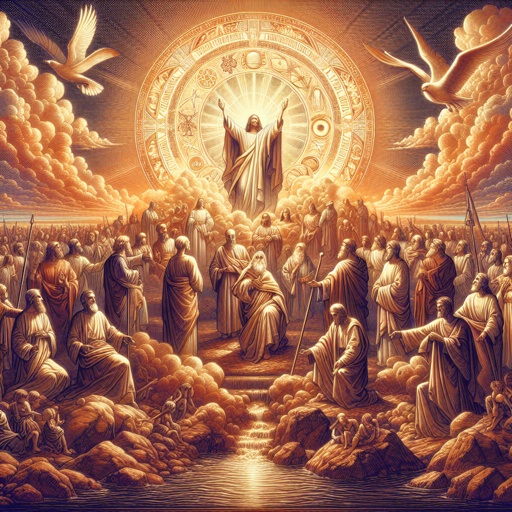
Leviticus 11:22

Leviticus 23:15-22

Leviticus 23:17-22

Leviticus 22:17 - "¶ And the LORD spake unto Moses, saying,"

Leviticus 7:22 - "¶ And the LORD spake unto Moses, saying,"

Leviticus 22:1 - "And the LORD spake unto Moses, saying,"

Leviticus 22:26 - "¶ And the LORD spake unto Moses, saying,"

Leviticus 18:22 - "Thou shalt not lie with mankind, as with womankind: it is abomination."
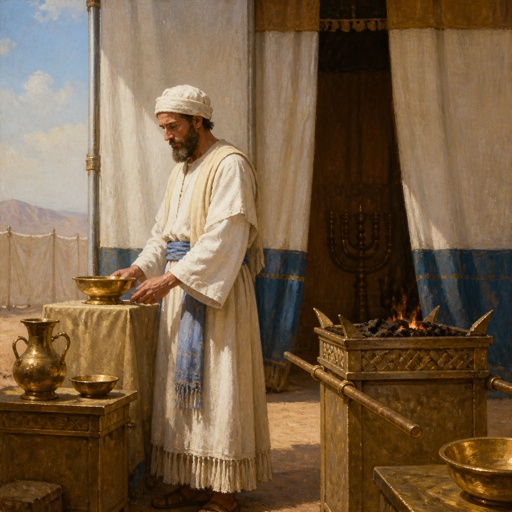
"They shall therefore keep mine ordinance, lest they bear sin for it, and die therefore, if they profane it: I the LORD do sanctify them." - Leviticus 22:9

Leviticus 20:22-26 simple picture

Picture to summarize Leviticus 20:22-26

Leviticus 22:20 - "But whatsoever hath a blemish, that shall ye not offer: for it shall not be acceptable for you."

Leviticus 13:22 - "And if it spread much abroad in the skin, then the priest shall pronounce him unclean: it is a plague."

Leviticus 21:22 - "He shall eat the bread of his God, both of the most holy, and of the holy."

Leviticus 23:9 - "¶ And the LORD spake unto Moses, saying,"

Leviticus 22:33 - "That brought you out of the land of Egypt, to be your God: I am the LORD."

Leviticus 22:29 - "And when ye will offer a sacrifice of thanksgiving unto the LORD, offer it at your own will."

Leviticus 22:15 - "And they shall not profane the holy things of the children of Israel, which they offer unto the LORD;"

Leviticus 22:22 - "Blind, or broken, or maimed, or having a wen, or scurvy, or scabbed, ye shall not offer these unto the LORD, nor make an offering by fire of them upon the altar unto the LORD."

Leviticus 22:19 - "Ye shall offer at your own will a male without blemish, of the beeves, of the sheep, or of the goats."

Leviticus 22:31 - "Therefore shall ye keep my commandments, and do them: I am the LORD."

Leviticus 22:28 - "And whether it be cow or ewe, ye shall not kill it and her young both in one day."

Leviticus 9:16 - "And he brought the burnt offering, and offered it according to the manner."

"¶ And the LORD spake unto Moses, saying," - Leviticus 7:22

Matthew 9:21-22

Leviticus 9:11 - "And the flesh and the hide he burnt with fire without the camp."

Matthew 9:21-22