The Consecration of Service: The Call to Sacrifice
"And he cut the ram into pieces; and Moses burnt the head, and the pieces, and the fat." - Leviticus 8:20
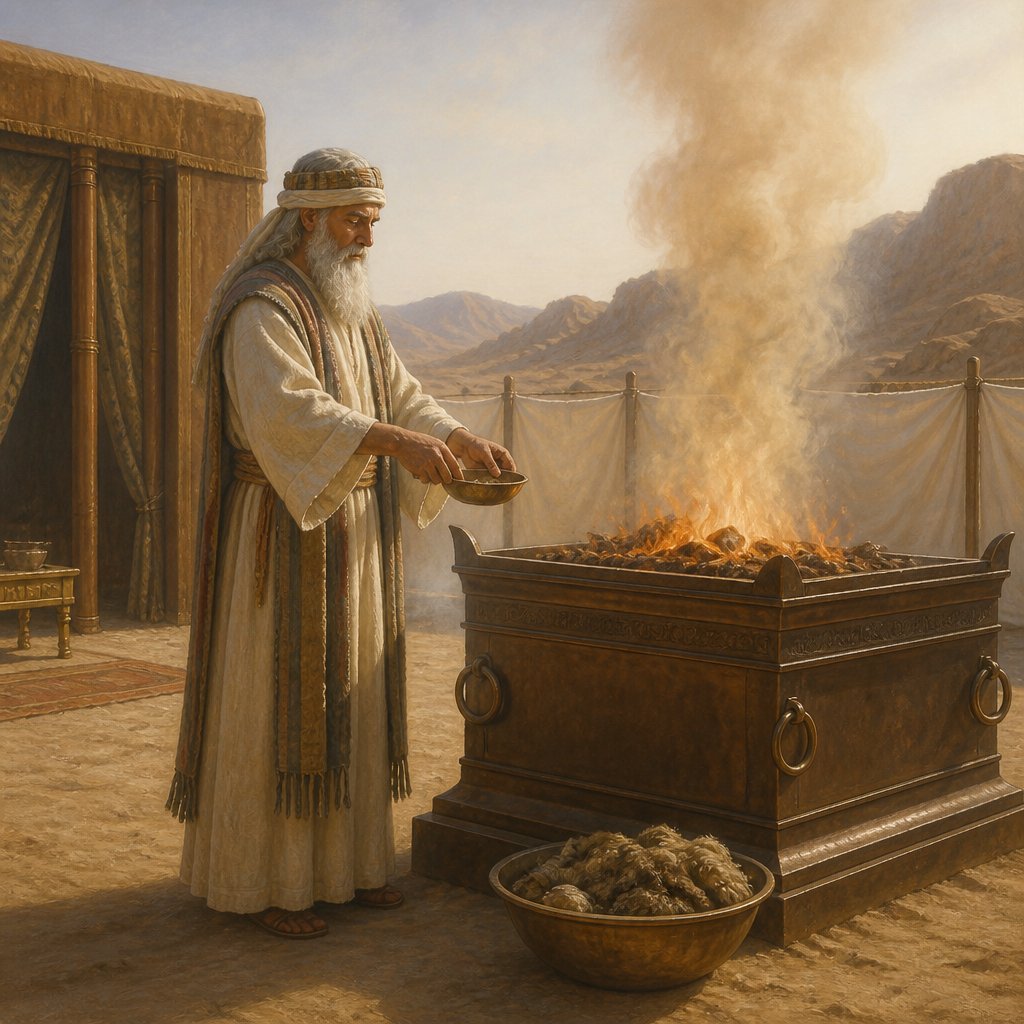
In Leviticus 8:20, we encounter a profound moment in the establishment of the priesthood under Moses's leadership: "And he cut the ram into pieces; and Moses burnt the head, and the pieces, and the fat." At first glance, this verse might seem like a mere account of a ritualistic performance steeped in ancient tradition. However, a deeper dive reveals layers of meaning that resonate with our own lives, as we are called to service, sacrifice, and the pursuit of holiness.
The backdrop of this passage is the dedication of Aaron and his sons as priests. This was no trivial undertaking. The priesthood held a sacred position in Israel, serving as mediators between God and the people. They would carry the weight of spiritual responsibility, interceding for the community and offering sacrifices to atone for sins. In God's design, they were set apart for a holy purpose—a calling that imposed a serious commitment from both them and from the people they represented.
The act of cutting the ram into pieces and burning particular parts on the altar brings to light several significant themes that are crucial to understanding our own walk with God. First and foremost, sacrifice is central to our relationship with the Divine. The ram, representing blood atonement and unblemished purity, illustrates the essence of holiness and the necessary price to be paid for reconciliation. Just as Moses separated pieces to be offered to God, our lives too are called to be "cut into pieces"—sacrificed entirely—dedicated to a higher purpose.
When we think of sacrifice, we often envision giving up something precious, but God calls us not merely to relinquish our desires but to surrender our entire being to Him. Romans 12:1 echoes this sentiment: "I beseech you therefore, brethren, by the mercies of God, that ye present your bodies a living sacrifice, holy, acceptable unto God, which is your reasonable service." God does not want half-hearted offerings; He seeks wholehearted devotion. The burning of the ram highlights the purification process that must occur in our lives. It’s not just about what we give; it’s about the conditions of our hearts as we lay our lives before Him.
Moreover, the aspects of the ram being burned—the head, pieces, and fat—symbolize the totality of our being needed for service. The head, representing our thoughts and intentions; the pieces, denoting our actions; and the fat, suggesting the best portions of ourselves—indeed, God desires all these aspects. Are our thoughts submitted to Him? Are our actions reflective of His love? Are we giving Him the best of ourselves, or are we holding back?
As we reflect upon our lives in light of this passage, we must also confront the reality of holiness. The act performed by Moses serves as a reminder that entering God’s service requires being set apart and consecrated. Holiness is not merely a state of being; it’s a lifestyle. Peter exhorts us in 1 Peter 1:16: "Be ye holy; for I am holy." This call to holiness demands that we continuously examine and burn away the impurities that cling to us—our sins, distractions, and anything that diverts our focus from God’s purpose.
In conclusion, Leviticus 8:20 speaks to us as a call to radical devotion. It challenges us to consider what sacrifices we are willing to make in our daily lives to serve God and others. Are we prepared to "cut away" the distractions or sins that hinder His work in us? Are we willing to offer our whole selves—thoughts, actions, and best parts—to be used for His glory? Like the priests of old, we stand at the threshold of a glorious calling, ready to step into our roles as holy representatives of God. May we respond by offering every part of ourselves as living sacrifices, fully devoted to Him and His mission.
Want to reflect more on Leviticus 8:20?
Continue your spiritual journey with Bible Chat — an AI-powered tool for exploring God's Word through conversation. Ask questions, discover connections, and deepen your understanding.
Get Our Apps


Leviticus 8:20 Artwork

Leviticus 8:20 - "And he cut the ram into pieces; and Moses burnt the head, and the pieces, and the fat."
"And he cut the ram into pieces; and Moses burnt the head, and the pieces, and the fat." - Leviticus 8:20

Leviticus 20:8 - "And ye shall keep my statutes, and do them: I am the LORD which sanctify you."

Leviticus 23:20
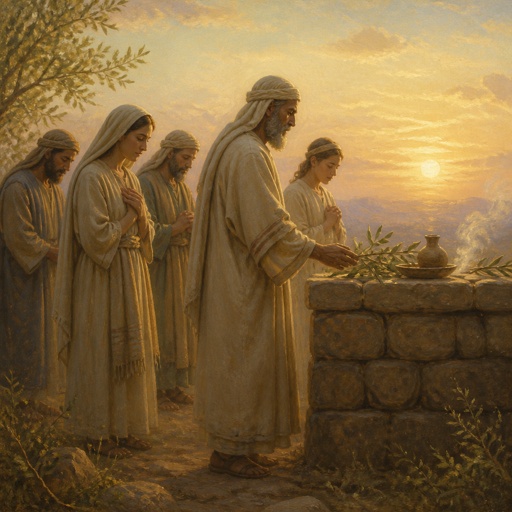
"And ye shall keep my statutes, and do them: I am the LORD which sanctify you." - Leviticus 20:8

Leviticus 24:20-23

Leviticus 20:1 - "And the LORD spake unto Moses, saying,"

Leviticus 10:20 - "And when Moses heard that, he was content."

Leviticus 16:8

Leviticus 8:30

Leviticus 20:22-26 simple picture

Picture to summarize Leviticus 20:22-26
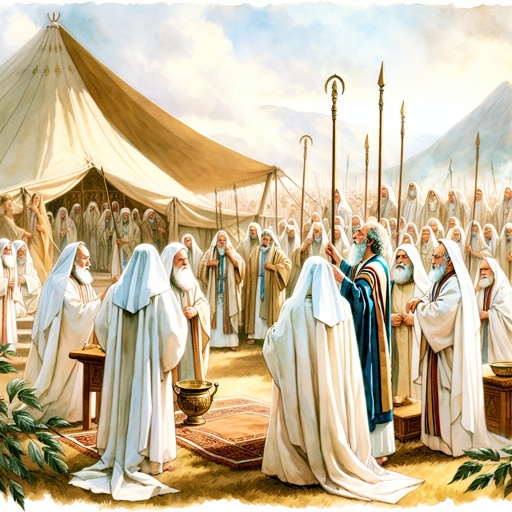
Leviticus 8:1-12

Leviticus 8:8 - "And he put the breastplate upon him: also he put in the breastplate the Urim and the Thummim."

Leviticus 20:20 - "And if a man shall lie with his uncle's wife, he hath uncovered his uncle's nakedness: they shall bear their sin; they shall die childless."

Leviticus 6:8 - "¶ And the LORD spake unto Moses, saying,"
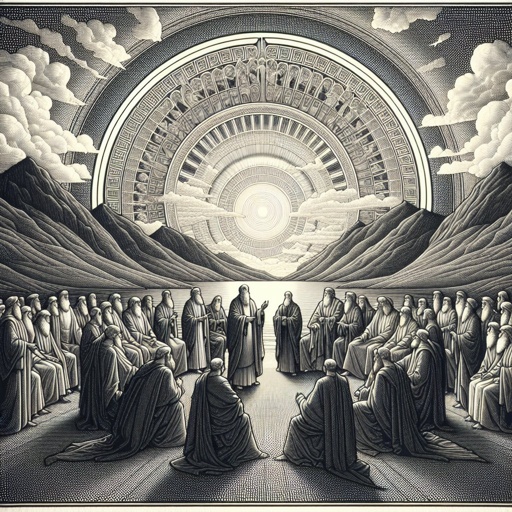
Leviticus 10:8 - "¶ And the LORD spake unto Aaron, saying,"

Leviticus 9:20 - "And they put the fat upon the breasts, and he burnt the fat upon the altar:"

Leviticus 22:20 - "But whatsoever hath a blemish, that shall ye not offer: for it shall not be acceptable for you."

Leviticus 8:1 - "And the LORD spake unto Moses, saying,"

Leviticus 20:7 - "¶ Sanctify yourselves therefore, and be ye holy: for I am the LORD your God."

Leviticus 18:20 - "Moreover thou shalt not lie carnally with thy neighbour's wife, to defile thyself with her."

Leviticus 11:20 - "All fowls that creep, going upon all four, shall be an abomination unto you."

Leviticus 21:20 - "Or crookbackt, or a dwarf, or that hath a blemish in his eye, or be scurvy, or scabbed, or hath his stones broken;"
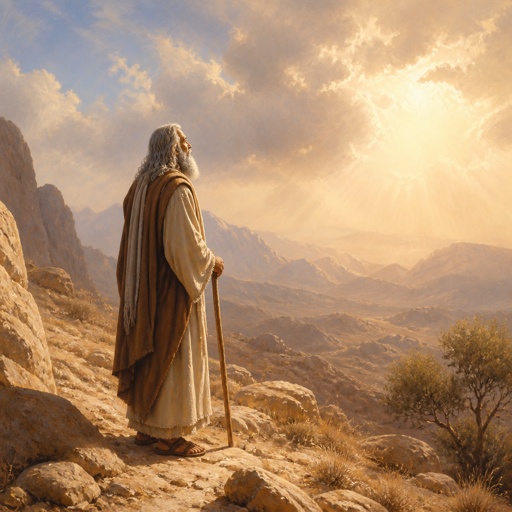
"And the LORD spake unto Moses, saying," - Leviticus 20:1
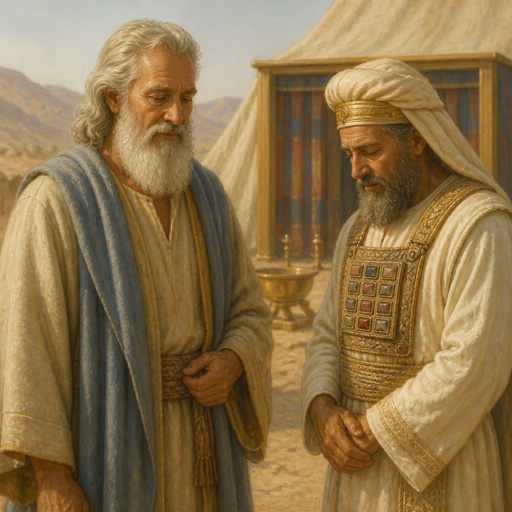
"And when Moses heard that, he was content." - Leviticus 10:20

Leviticus 8:32 - "And that which remaineth of the flesh and of the bread shall ye burn with fire."

Leviticus 8:6 - "And Moses brought Aaron and his sons, and washed them with water."

Leviticus 8:19 - "And he killed it; and Moses sprinkled the blood upon the altar round about."

Leviticus 8:3 - "And gather thou all the congregation together unto the door of the tabernacle of the congregation."