The Significance of Sacrifice: Understanding Leviticus 8:18
"¶ And he brought the ram for the burnt offering: and Aaron and his sons laid their hands upon the head of the ram." - Leviticus 8:18
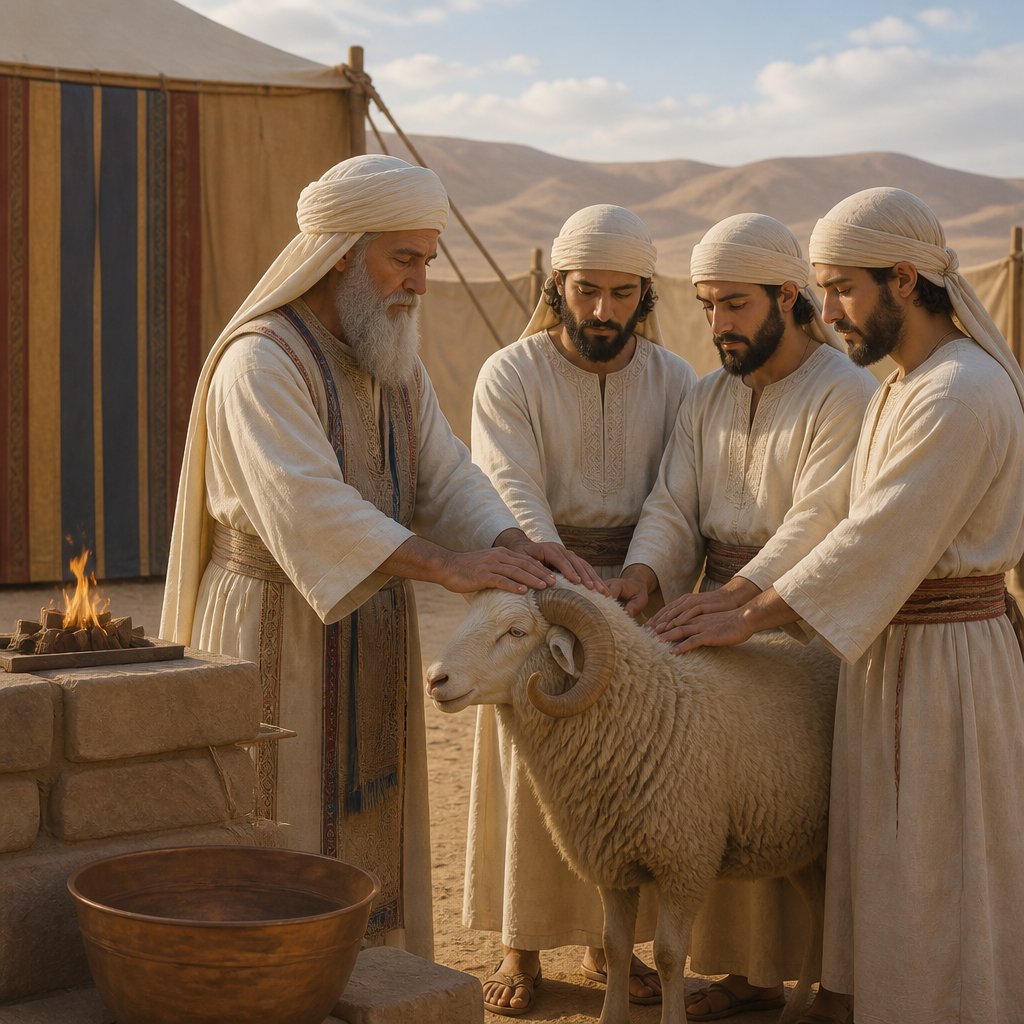
In Leviticus 8:18, we encounter a poignant moment in the consecration of Aaron and his sons as priests: "And he brought the ram for the burnt offering: and Aaron and his sons laid their hands upon the head of the ram." This verse encapsulates profound theological truth and serves as a reminder of the gravity and significance of sacrificial rites in the Old Testament, which ultimately point toward the ultimate sacrifice of Christ in the New Testament.
To fully grasp the importance of this verse, we must first understand the context of the Book of Leviticus. Leviticus is often viewed as a manual for the priests and the people of Israel, outlining laws and regulations regarding worship and sacrifices. Chapter 8 describes the ordination of Aaron and his sons, marking their official entry into the priesthood, a pivotal role designated to them by God. The laying of hands on the sacrificial ram signifies the transfer of sin and guilt from the priests to the animal, underscoring a fundamental principle of substitutionary atonement.
As Aaron and his sons laid their hands on the ram, they were acknowledging their own sinfulness and the need for atonement before their Holy God. This act was both a symbol of identification with the sacrifice and a tangible means of expressing faith in God’s provision for their sins. It reflects a deep understanding that something innocent had to suffer in place of the guilty. This principle of substitution lies at the heart of biblical sacrifice. Aren’t we, too, called to recognize our own need for atonement and the weight of our sin? By confessing our sins and laying them on Christ, we can embrace the security of His mercy.
The ram itself, as a burnt offering, signifies complete dedication to God. When presented as a burnt offering, the animal was wholly consumed by fire on the altar as an act of worship and surrender, symbolizing the total devotion of the offerer. In laying their hands on the ram, Aaron and his sons were not only transferring their guilt but also demonstrating their commitment to serve God according to His covenant. Each believer today is invited to lay their burdens and shortcomings before Christ, recognizing Him as our perfect High Priest and sacrificial Lamb, who was fully devoted to fulfilling the demands of God's holiness.
As we meditate on Leviticus 8:18, we must also reflect on the implications of this ritual for our own lives. The holiness of God demands a response from His people. Just as Aaron and his sons were called to serve in holiness, we too are called to be a royal priesthood, set apart for God (1 Peter 2:9). The act of laying hands on the ram was a public declaration of identity, purpose, and commitment. Are we, in our everyday lives, declaring where our identity lies? Are we, too, committed to living in accordance with the teachings of Christ, which may often demand sacrifice and dedication in an age that prioritizes convenience?
Furthermore, the ram in this verse is a symbol of the Lamb of God, Jesus Christ, who was sacrificed for our sins. While the priests offered animals repeatedly, Christ’s sacrifice was once and for all, an offering sufficient for all humankind. As we lay our hands upon Him in faith, acknowledging Him as our Savior, we receive forgiveness and grace beyond measure. In our prayers, we can reflect on what it means to lay our lives upon the altar of service and worship, offering all that we are and all that we have to the One who gave Himself for us.
Thus, Leviticus 8:18 serves not merely as a historical account but as a call to reflect on our relationship with God, the nature of sacrifice, and our identity as His chosen people. In laying our hands upon the ultimate Lamb, may we find redemption, purpose, and the strength to live out a Christ-centered life.
Want to reflect more on Leviticus 8:18?
Continue your spiritual journey with Bible Chat — an AI-powered tool for exploring God's Word through conversation. Ask questions, discover connections, and deepen your understanding.
Get Our Apps


Leviticus 8:18 Artwork

Leviticus 8:18 - "¶ And he brought the ram for the burnt offering: and Aaron and his sons laid their hands upon the head of the ram."
"¶ And he brought the ram for the burnt offering: and Aaron and his sons laid their hands upon the head of the ram." - Leviticus 8:18

Leviticus 18:8 - "The nakedness of thy father's wife shalt thou not uncover: it is thy father's nakedness."
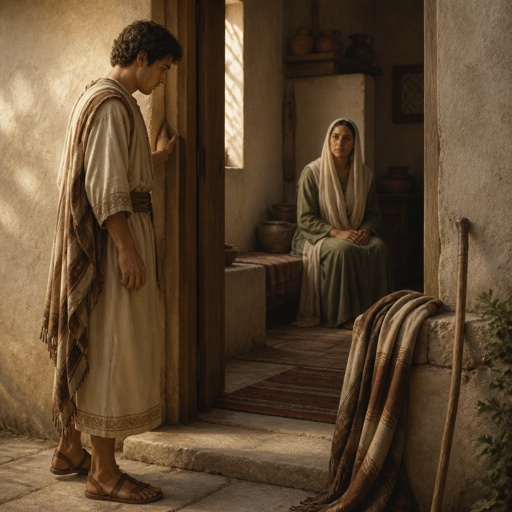
"The nakedness of thy father's wife shalt thou not uncover: it is thy father's nakedness." - Leviticus 18:8

Leviticus 11:18 - "And the swan, and the pelican, and the gier eagle,"

Leviticus 16:8

Leviticus 8:30

Leviticus 18:1 - "And the LORD spake unto Moses, saying,"

Leviticus 18:22 - "Thou shalt not lie with mankind, as with womankind: it is abomination."
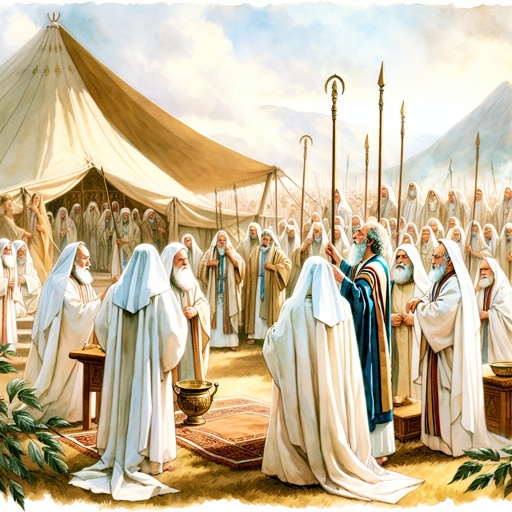
Leviticus 8:1-12

Leviticus 8:8 - "And he put the breastplate upon him: also he put in the breastplate the Urim and the Thummim."

Leviticus 18:18 - "Neither shalt thou take a wife to her sister, to vex her, to uncover her nakedness, beside the other in her life time."

Leviticus 13:18 - "¶ The flesh also, in which, even in the skin thereof, was a boil, and is healed,"

Leviticus 6:8 - "¶ And the LORD spake unto Moses, saying,"

Leviticus 10:8 - "¶ And the LORD spake unto Aaron, saying,"

Leviticus 24:18 - "And he that killeth a beast shall make it good; beast for beast."

Leviticus 8:1 - "And the LORD spake unto Moses, saying,"

Leviticus 18:16 - "Thou shalt not uncover the nakedness of thy brother's wife: it is thy brother's nakedness."

"And the swan, and the pelican, and the gier eagle," - Leviticus 11:18

Leviticus 8:32 - "And that which remaineth of the flesh and of the bread shall ye burn with fire."

Leviticus 18:20 - "Moreover thou shalt not lie carnally with thy neighbour's wife, to defile thyself with her."

Leviticus 18:2 - "Speak unto the children of Israel, and say unto them, I am the LORD your God."

"And the LORD spake unto Moses, saying," - Leviticus 18:1

Leviticus 8:6 - "And Moses brought Aaron and his sons, and washed them with water."

Leviticus 18:12 - "Thou shalt not uncover the nakedness of thy father's sister: she is thy father's near kinswoman."

Leviticus 18:27 - "(For all these abominations have the men of the land done, which were before you, and the land is defiled;)"

Leviticus 18:13 - "Thou shalt not uncover the nakedness of thy mother's sister: for she is thy mother's near kinswoman."

Leviticus 8:19 - "And he killed it; and Moses sprinkled the blood upon the altar round about."

Leviticus 8:3 - "And gather thou all the congregation together unto the door of the tabernacle of the congregation."

Leviticus 8:5 - "And Moses said unto the congregation, This is the thing which the LORD commanded to be done."