Sacrificial Wisdom: Learning from Leviticus 7:24
"And the fat of the beast that dieth of itself, and the fat of that which is torn with beasts, may be used in any other use: but ye shall in no wise eat of it." - Leviticus 7:24
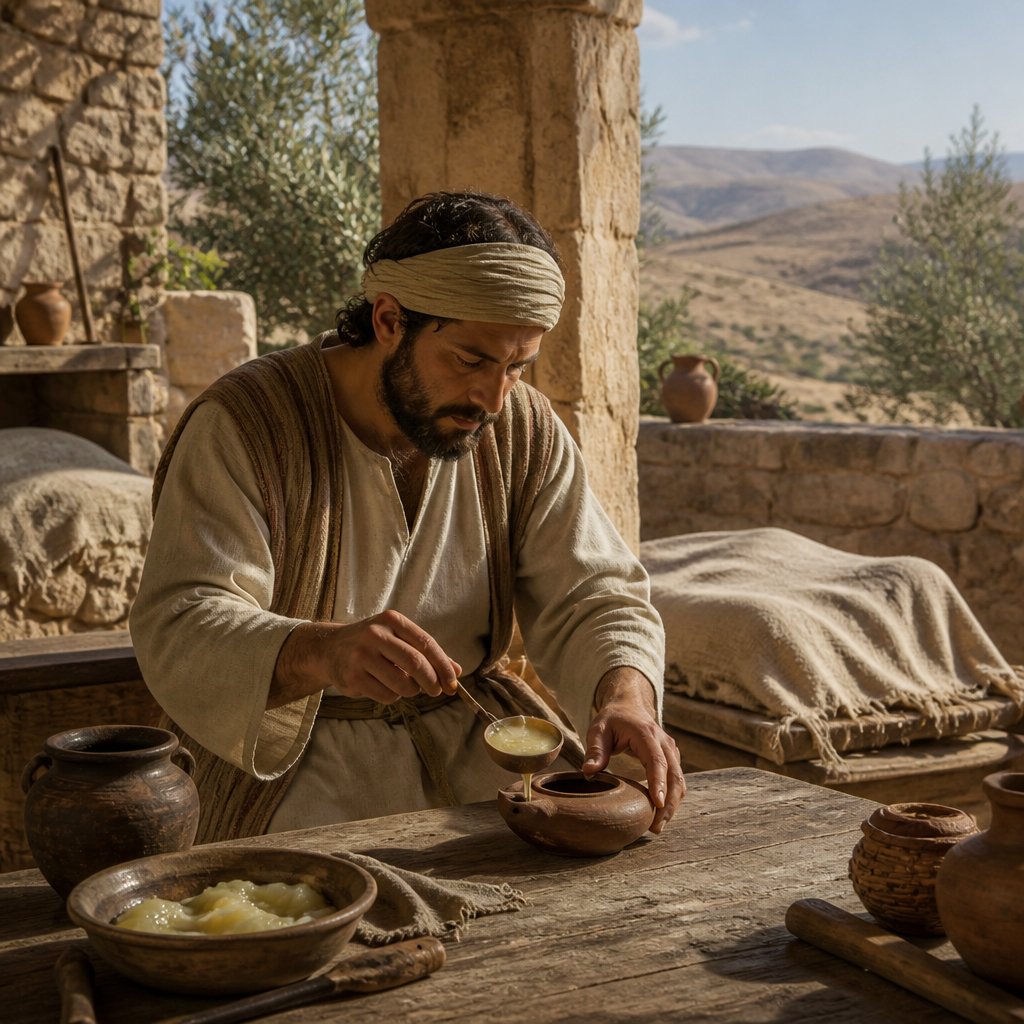
In the sacred pages of Leviticus, we often find laws and regulations that seem distant from our modern lives; yet, nestled in these ancient decrees is profound wisdom. Leviticus 7:24 states, “And the fat of the beast that dieth of itself, and the fat of that which is torn with beasts, may be used in any other use: but ye shall in no wise eat of it.” This seemingly simple regulation invites us to delve deeply into its implications both for the Israelites and for us today.
At first glance, the verse addresses dietary restrictions regarding certain animal fats; specifically, it instructs the Israelites on what to avoid consuming. The fat of an animal that has died from natural causes or has been torn apart by beasts cannot be eaten. Instead, these fats may be repurposed for other uses. Why such strict prohibitions? This law highlights a central theme that runs throughout Leviticus: the concept of holiness. God desired His people to live distinctly, to separate themselves from practices that could lead to spiritual contamination.
The animal fat, in this context, can symbolize the sinful influences and unholy decisions that, like these carcasses, can endanger our spiritual well-being. When something dies, it represents the end of life, the severing of a relationship, or the decay of goodness. Consuming from the carcass might imply partaking in a life corrupted by sin, hence why God declares, 'but ye shall in no wise eat of it.' God desired His people to abstain from what is corrupt, recognizing that our choices carry consequences that extend far beyond immediate satisfaction.
The prohibition serves not only as a guideline for diet but also speaks volumes about spiritual discernment. In our own lives, we are often faced with choices that can lead us toward spiritual impurity or distraction. We may find ourselves tempted to indulge in thoughts, behaviors, or relationships that, while seemingly benign or enjoyable, actually feed our sinful nature. The challenge remains: how do we, like the Israelites learning from Leviticus, discern what to reject for spiritual health?
The New Testament reinforces this principle of discernment through the teachings of Jesus. In Matthew 7:15-20, He warns against false prophets, drawing an analogy between good trees that produce good fruit and bad trees that bear bad fruit. We are called to evaluate the fruits in our lives—leaders we follow, teachings we accept, and practices we embrace. This evaluation is akin to the discernment of the Israelites regarding what was permissible for consumption, paralleling our need to separate ourselves from the influences that would tear at our spiritual fabric.
Moreover, the verse echoes the necessity of sacrifice in approaching God. The sacrifice of an animal was not merely about making offerings; it was about recognizing the gravity of sin and the need for atonement. By abstaining from the fat of animals that died of themselves, the Israelites acknowledged the seriousness of sin in their community. This sacred weight translates into how we today ought to treat the decisions we make—recognizing that our choices might not only impact our spiritual journey but also influence those around us.
In conclusion, Leviticus 7:24 serves as a powerful reminder that holiness comes with boundaries. We are called to honor the sacredness of our relationship with God by exercising discernment in our lives. As we recognize that some influences may not only be unhelpful but outright harmful, may we become vigilant guardians of our faith. Let us strive to live in a way that honors God, carefully choosing what we 'consume' spiritually, emotionally, and relationally. In doing so, we not only preserve our own holiness but also serve as a witness to others around us.
Want to reflect more on Leviticus 7:24?
Continue your spiritual journey with Bible Chat — an AI-powered tool for exploring God's Word through conversation. Ask questions, discover connections, and deepen your understanding.
Get Our Apps


Leviticus 7:24 Artwork
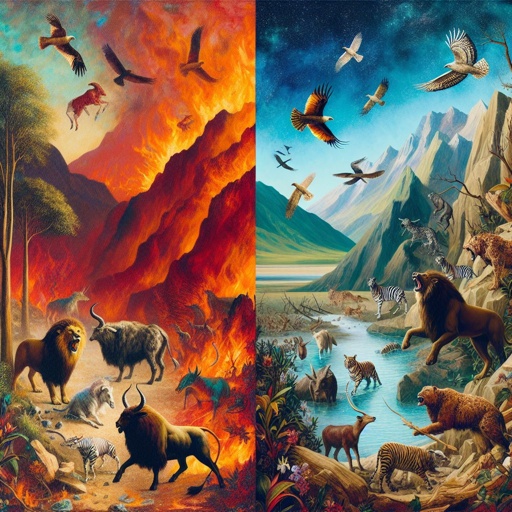
Leviticus 7:24 - "And the fat of the beast that dieth of itself, and the fat of that which is torn with beasts, may be used in any other use: but ye shall in no wise eat of it."
"And the fat of the beast that dieth of itself, and the fat of that which is torn with beasts, may be used in any other use: but ye shall in no wise eat of it." - Leviticus 7:24
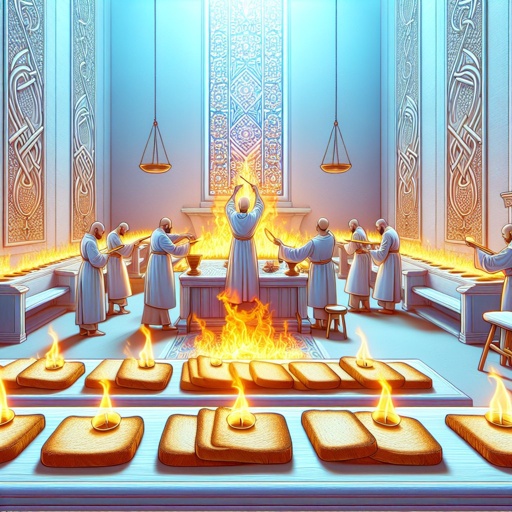
Leviticus 24:7 - "And thou shalt put pure frankincense upon each row, that it may be on the bread for a memorial, even an offering made by fire unto the LORD."

Leviticus 24:20-23

Leviticus 6:24 - "¶ And the LORD spake unto Moses, saying,"

Leviticus 24:1 - "And the LORD spake unto Moses, saying,"

Leviticus 24:13 - "And the LORD spake unto Moses, saying,"

Leviticus 24:12 - "And they put him in ward, that the mind of the LORD might be shewed them."

Leviticus 17:7

Leviticus 24:17 - "¶ And he that killeth any man shall surely be put to death."

Leviticus 24:18 - "And he that killeth a beast shall make it good; beast for beast."
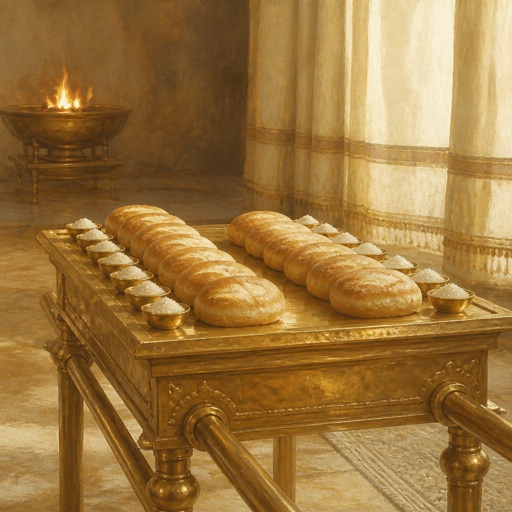
"And thou shalt put pure frankincense upon each row, that it may be on the bread for a memorial, even an offering made by fire unto the LORD." - Leviticus 24:7

Leviticus 25:24 - "And in all the land of your possession ye shall grant a redemption for the land."

Leviticus 21:24 - "And Moses told it unto Aaron, and to his sons, and unto all the children of Israel."

Leviticus 19:24 - "But in the fourth year all the fruit thereof shall be holy to praise the LORD withal."

Leviticus 24:4 - "He shall order the lamps upon the pure candlestick before the LORD continually."

Leviticus 11:24 - "And for these ye shall be unclean: whosoever toucheth the carcase of them shall be unclean until the even."

leviticus 16:7-10

"¶ And the LORD spake unto Moses, saying," - Leviticus 6:24
"And the LORD spake unto Moses, saying," - Leviticus 24:13
"And the LORD spake unto Moses, saying," - Leviticus 24:1

Leviticus 24:19 - "And if a man cause a blemish in his neighbour; as he hath done, so shall it be done to him;"

Leviticus 24:21 - "And he that killeth a beast, he shall restore it: and he that killeth a man, he shall be put to death."

Leviticus 7:22 - "¶ And the LORD spake unto Moses, saying,"

Leviticus 7:28 - "¶ And the LORD spake unto Moses, saying,"

Leviticus 26:24 - "Then will I also walk contrary unto you, and will punish you yet seven times for your sins."

Leviticus 24:6 - "And thou shalt set them in two rows, six on a row, upon the pure table before the LORD."

Leviticus 7:1 - "Likewise this is the law of the trespass offering: it is most holy."

Leviticus 7:7 - "As the sin offering is, so is the trespass offering: there is one law for them: the priest that maketh atonement therewith shall have it."

Leviticus 19:7 - "And if it be eaten at all on the third day, it is abominable; it shall not be accepted."