Clean and Unclean: A Reflection on Divine Relationship
"But the soul that eateth of the flesh of the sacrifice of peace offerings, that pertain unto the LORD, having his uncleanness upon him, even that soul shall be cut off from his people." - Leviticus 7:20
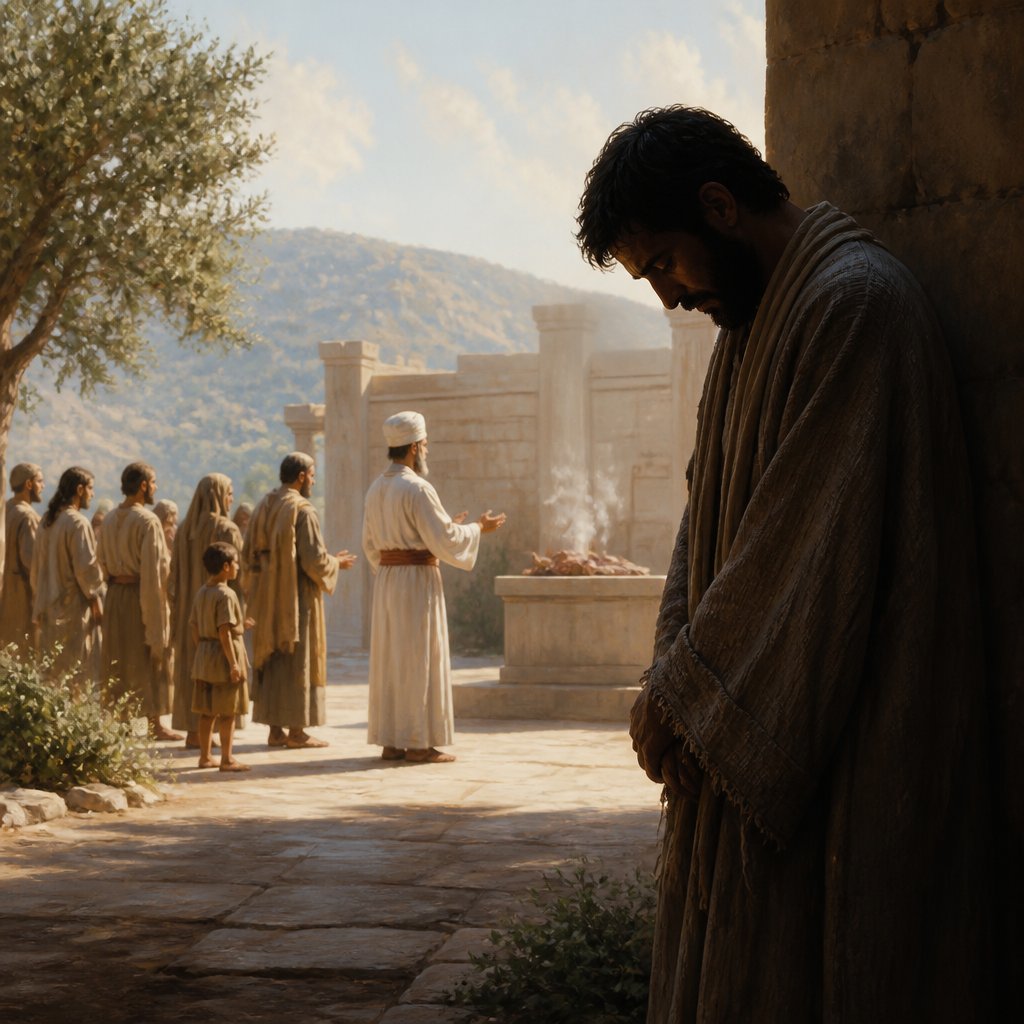
In Leviticus 7:20, we are reminded of the serious nature of our relationship with God and the covenant He extends to His people. The verse states, "But the soul that eateth of the flesh of the sacrifice of peace offerings, that pertain unto the LORD, having his uncleanness upon him, even that soul shall be cut off from his people." This passage speaks volumes about the principle of holiness and the consequences of failing to approach the holy with due reverence and purity.
The context of Leviticus is rooted in the Mosaic law given to the Israelites as they journeyed towards the promised land. The sacrificial system was central to their worship and communion with God. Peace offerings, intended to express gratitude and fellowship with God, were meant to be shared and enjoyed in His presence. However, this passage shows a stark warning: partaking of these offerings while being unclean not only defiles the act of worship but also jeopardizes one's standing within the community of believers.
To understand this properly, it’s essential to recognize what it means to be ‘unclean’ in the biblical sense. The Levitical definitions of cleanness and uncleanness are comprehensive, revolving around moral, physical, and spiritual aspects of a person’s life. To be declared unclean could arise from various factors: contact with death, certain diseases, or moral failings. Thus, if one were to approach God—especially in a communal worship setting—while unclean, it symbolized a profound disregard for the holiness of God and the seriousness of communal worship.
This raises a foundational question for us today: how do we approach God in our own lives? In our modern context, we may not have sacrificial offerings like the ancient Israelites, but we do still have practices that warrant our attention and respect. When we come to God in prayer, worship, or even in reading His Word, we must examine our hearts and lives. Are there areas of uncleanness that we are ignoring? Are we harboring hidden sin, unresolved conflict, or spiritual complacency? Jesus Himself echoes this sentiment in Matthew 5:23-24, when He instructs the worshiper to first reconcile with their brother before offering their gift at the altar.
The implications of this verse are sobering. The phrase "even that soul shall be cut off from his people" signifies severe alienation from both God and the community, a removal that reflects the gravity of disrespecting sacred norms. In the background of this scripture, one can witness God’s desire for His people to be set apart—not just in dietary laws but in their entire lives. As believers today, we are called to live lives that are reflective of Christ, embodying His love, grace, and holiness. Being ‘cut off’ symbolizes more than physical separation; it illustrates a spiritual condition we are encouraged to avoid at all costs.
God’s desire is not for us to live in fear of being cut off but rather to thrive in our relationship with Him and with each other. He offers justice and grace, encouraging us to approach Him with a pure heart—a heart cleansed in Christ. Let us daily come before Him with honesty, seeking not only to confess our sins (1 John 1:9) but also to create an atmosphere where His Holy Spirit can work within us. As we lift up our thanksgiving, just as those early worshippers did with their peace offerings, let us do so from a place of purification and sincerity, ensuring we are rightly aligned with our Creator and our fellow believers.
In conclusion, Leviticus 7:20 is a clarion call to examine the state of our hearts and the seriousness with which we approach God. May we continually strive toward holiness, seeking to embody the peace that Christ has made possible, allowing us to draw near to God in unity with one another.
Want to reflect more on Leviticus 7:20?
Continue your spiritual journey with Bible Chat — an AI-powered tool for exploring God's Word through conversation. Ask questions, discover connections, and deepen your understanding.
Get Our Apps


Leviticus 7:20 Artwork
Leviticus 7:20 - "But the soul that eateth of the flesh of the sacrifice of peace offerings, that pertain unto the LORD, having his uncleanness upon him, even that soul shall be cut off from his people."
"But the soul that eateth of the flesh of the sacrifice of peace offerings, that pertain unto the LORD, having his uncleanness upon him, even that soul shall be cut off from his people." - Leviticus 7:20

Leviticus 20:7 - "¶ Sanctify yourselves therefore, and be ye holy: for I am the LORD your God."
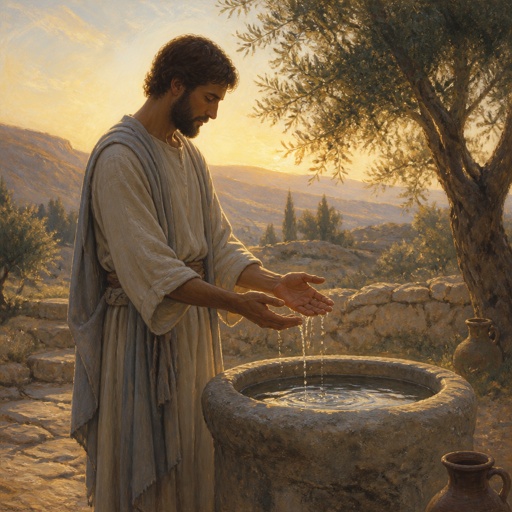
"¶ Sanctify yourselves therefore, and be ye holy: for I am the LORD your God." - Leviticus 20:7

Leviticus 23:20

Leviticus 24:20-23

Leviticus 20:1 - "And the LORD spake unto Moses, saying,"

Leviticus 10:20 - "And when Moses heard that, he was content."

Leviticus 17:7

Leviticus 20:22-26 simple picture

Picture to summarize Leviticus 20:22-26

leviticus 16:7-10

Leviticus 20:20 - "And if a man shall lie with his uncle's wife, he hath uncovered his uncle's nakedness: they shall bear their sin; they shall die childless."

Leviticus 9:20 - "And they put the fat upon the breasts, and he burnt the fat upon the altar:"

Leviticus 8:20 - "And he cut the ram into pieces; and Moses burnt the head, and the pieces, and the fat."

Leviticus 22:20 - "But whatsoever hath a blemish, that shall ye not offer: for it shall not be acceptable for you."

Leviticus 7:22 - "¶ And the LORD spake unto Moses, saying,"

Leviticus 7:28 - "¶ And the LORD spake unto Moses, saying,"

Leviticus 18:20 - "Moreover thou shalt not lie carnally with thy neighbour's wife, to defile thyself with her."

Leviticus 11:20 - "All fowls that creep, going upon all four, shall be an abomination unto you."

Leviticus 7:1 - "Likewise this is the law of the trespass offering: it is most holy."

Leviticus 7:7 - "As the sin offering is, so is the trespass offering: there is one law for them: the priest that maketh atonement therewith shall have it."

Leviticus 21:20 - "Or crookbackt, or a dwarf, or that hath a blemish in his eye, or be scurvy, or scabbed, or hath his stones broken;"

"And the LORD spake unto Moses, saying," - Leviticus 20:1
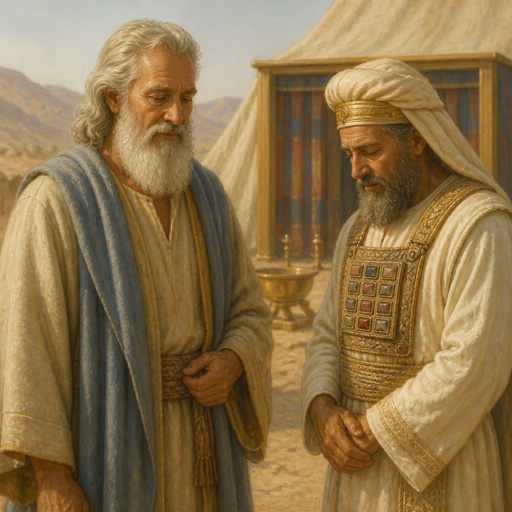
"And when Moses heard that, he was content." - Leviticus 10:20

Leviticus 19:7 - "And if it be eaten at all on the third day, it is abominable; it shall not be accepted."

Leviticus 20:8 - "And ye shall keep my statutes, and do them: I am the LORD which sanctify you."

Leviticus 7:17 - "But the remainder of the flesh of the sacrifice on the third day shall be burnt with fire."

Leviticus 27:20 - "And if he will not redeem the field, or if he have sold the field to another man, it shall not be redeemed any more."
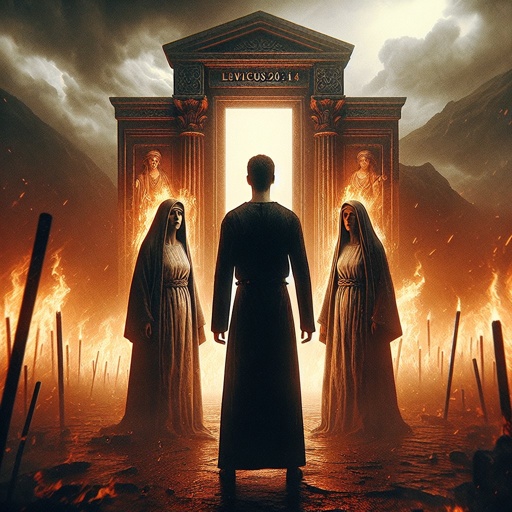
Leviticus 20:14 - "And if a man take a wife and her mother, it is wickedness: they shall be burnt with fire, both he and they; that there be no wickedness among you."