The Wholeness of Sacrifice: Understanding Leviticus 6:23
"For every meat offering for the priest shall be wholly burnt: it shall not be eaten." - Leviticus 6:23
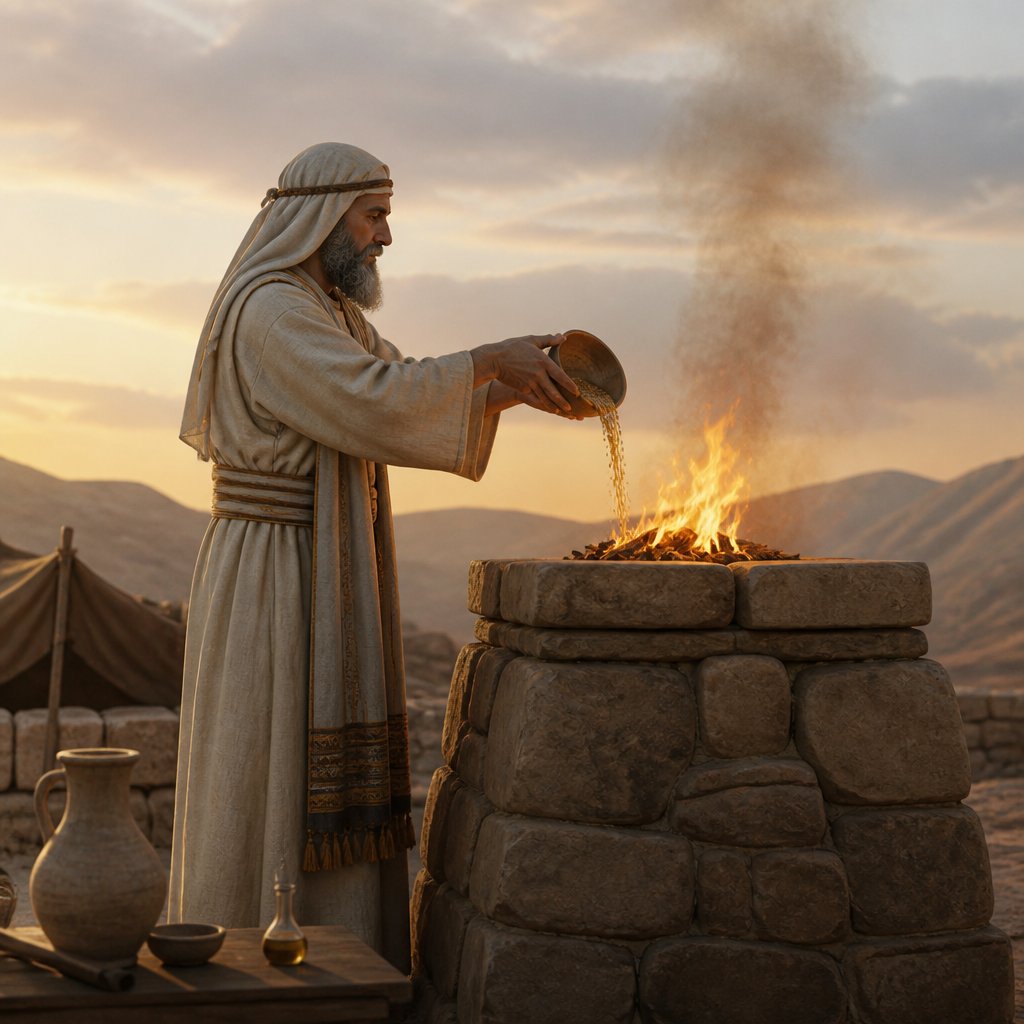
In the unfolding narrative of the Old Testament, sacrificial practices uniquely depict the relationship between God and His people. This relationship, deeply rooted in covenant theology, reveals the higher call to holiness and commitment expected from the children of Israel. Leviticus 6:23 offers us a profound statement regarding the meat offerings set aside for the priests: "For every meat offering for the priest shall be wholly burnt: it shall not be eaten." At first glance, this directive might appear archaic or irrelevant; however, upon deeper reflection, we can extract timeless principles concerning sacrifice, devotion, and God's calling in our own spiritual lives.
**Sacrifice Defined**
In the context of Leviticus, the "meat offering" (often understood as grain or food offerings) symbolizes an essential component of worship. Particularly, the instruction that the offering must be "wholly burnt" signifies complete surrender. When something is wholly consumed by fire, it no longer belongs to the one who offered it; it is fully dedicated to God. This act of utter abandonment is a stark reminder that true worship requires the relinquishment of personal desires and the embracing of divine purpose.
As New Testament believers, we must ponder what it means to offer ourselves wholly unto God. Romans 12:1 compels us to present our bodies as "a living sacrifice, holy, acceptable unto God, which is your reasonable service." Just like the meat offering, our lives are to be set alight in devotion to Him. Each act of kindness, each moment spent in prayer, and every ounce of our efforts should resonate with our commitment to God. This reflection urges us to evaluate the state of our consecration. Are there areas of our lives that we are withholding or keeping in reserve? Are we sitting on the sidelines or completely immersing ourselves in His mission?
**The Role of the Priest**
In ancient Israel, priests served as mediators between God and the people. Their role encompassed not only the offering of sacrifices but also teaching the Law and ensuring that God's holiness was upheld within the community. The specification that the meat offering was for the priests underscores their position as set apart for God’s purposes. As believers today, we are all called to be priests in our spiritual walk (1 Peter 2:9). Understanding this brings a sense of responsibility and urgency. We are involved in the sacred process of worship, and we must reflect on what it feels like to be wholly burnt offerings before God.
The implication here is that, as priests, we cannot partake in that which is meant for divine consumption. The meat, in this case, could not be eaten by the priests because it symbolized total dedication and a higher calling. This echoes profound truths in our lives—we are called not to indulge in the things of this world that distract us from our commitments to God. What worldly desires or temptations might we still be consuming that interfere with our ability to be wholly devoted to His service?
**The Spiritual Implications**
The observance of such offerings signifies not just duty, but intimacy with God. In the act of burning the meat offering, there is transformation and acceptance; it becomes a sweet aroma to the Lord, pleasing in His sight. God is inviting us to engage in a fiery relationship with Him that transforms our very essence. In the flames of passion for His glory, our character and priorities are reshaped.
As we grapple with Leviticus 6:23, let us embrace the call to total sacrifice. With each day granted to us, let us inquire: How can we be wholly consumed for His glory? What are we willing to let go of for the sake of a richer, more fulfilling relationship with our Creator? May our lives become an offering, wholly burnt and unreserved, for the One who holds immeasurable love and purpose for us. In doing so, we may discover a life lived fully in His presence, dedicated to the work He has for us in this world.
Want to reflect more on Leviticus 6:23?
Continue your spiritual journey with Bible Chat — an AI-powered tool for exploring God's Word through conversation. Ask questions, discover connections, and deepen your understanding.
Get Our Apps


Leviticus 6:23 Artwork

Leviticus 6:23 - "For every meat offering for the priest shall be wholly burnt: it shall not be eaten."
"For every meat offering for the priest shall be wholly burnt: it shall not be eaten." - Leviticus 6:23

Leviticus 23:6 - "And on the fifteenth day of the same month is the feast of unleavened bread unto the LORD: seven days ye must eat unleavened bread."

Leviticus 23:23 - "¶ And the LORD spake unto Moses, saying,"

Leviticus 23:21

Leviticus 23:21

Leviticus 23:21

Leviticus 23:21

Leviticus 23:21

Leviticus 23:20

Leviticus 23:21

Leviticus 23:15-22

Leviticus 23:17-22

Leviticus 24:20-23

"¶ And the LORD spake unto Moses, saying," - Leviticus 23:23

Leviticus 23:9 - "¶ And the LORD spake unto Moses, saying,"

Leviticus 23:1 - "And the LORD spake unto Moses, saying,"

Leviticus 23:26 - "¶ And the LORD spake unto Moses, saying,"

Leviticus 23:33 - "¶ And the LORD spake unto Moses, saying,"

Leviticus 23:5 - "In the fourteenth day of the first month at even is the LORD'S passover."

Leviticus 23:44 - "And Moses declared unto the children of Israel the feasts of the LORD."
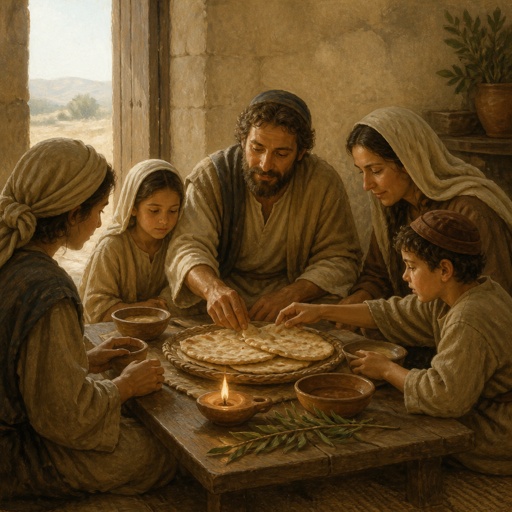
"And on the fifteenth day of the same month is the feast of unleavened bread unto the LORD: seven days ye must eat unleavened bread." - Leviticus 23:6

Leviticus 26:23 - "And if ye will not be reformed by me by these things, but will walk contrary unto me;"

the jewish holidays mentioned in leviticus 23:1 until 23:40 combined in one picture,

Leviticus 26: 4-6

Leviticus 23:4 - "¶ These are the feasts of the LORD, even holy convocations, which ye shall proclaim in their seasons."

Leviticus 25:23 - "¶ The land shall not be sold for ever: for the land is mine; for ye are strangers and sojourners with me."
Leviticus 26: 4-6

Leviticus 26: 4-6

Leviticus 23:35 - "On the first day shall be an holy convocation: ye shall do no servile work therein."