The Weight of Atonement: Understanding Sacrifice in Faith
"And he shall lay his hand upon the head of the sin offering, and slay the sin offering in the place of the burnt offering." - Leviticus 4:29
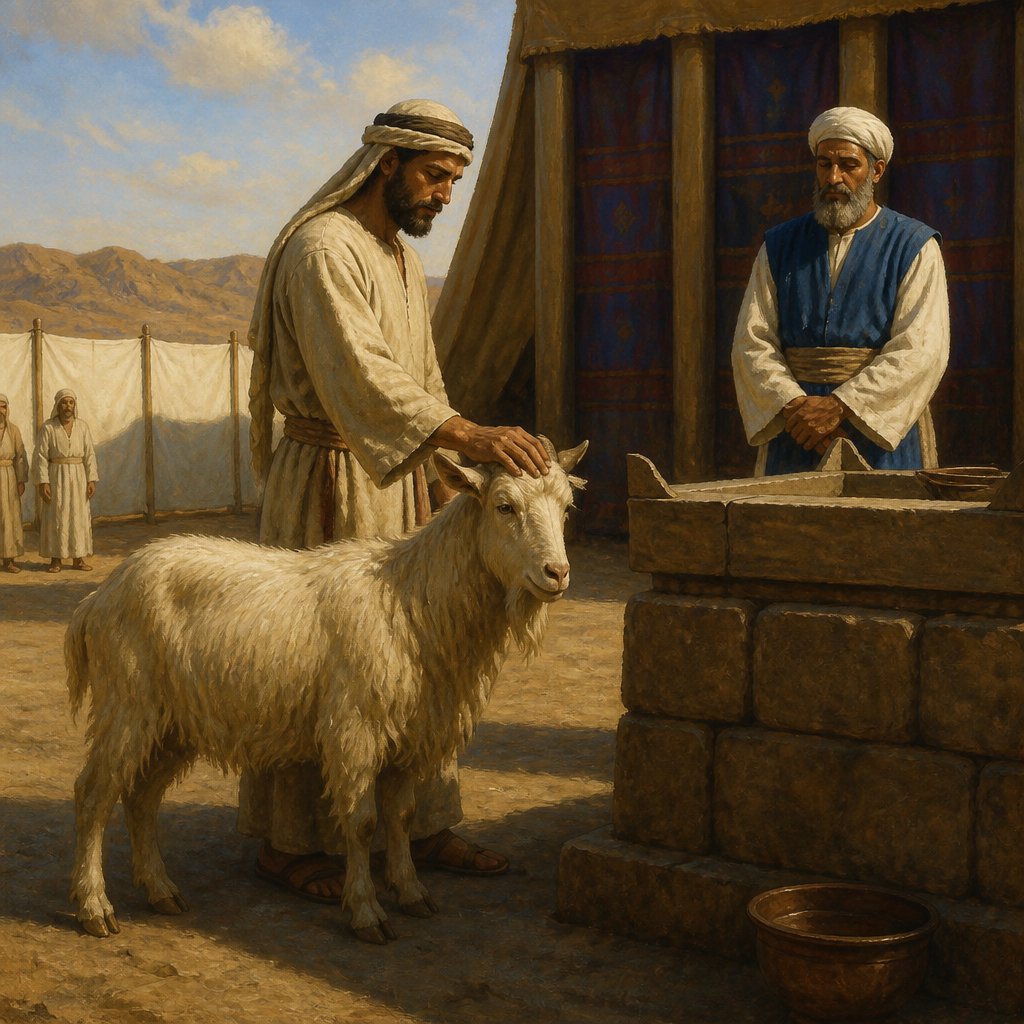
In Leviticus 4:29, the scripture states, "And he shall lay his hand upon the head of the sin offering, and slay the sin offering in the place of the burnt offering." This verse encapsulates profound truths about sin, sacrifice, and the intricate relationship between humanity and God. It hints at a deeper understanding of the sacrificial system that permeates the Old Testament and points towards the ultimate sacrifice that brings reconciliation and redemption.
The laying of hands on the sin offering symbolizes a transfer—a profound moment where guilt and accountability are acknowledged. In biblical terms, laying hands upon something denotes identification and personal responsibility. When the individual came forward to offer a sin offering, they were more than just participants in a ritual; they were actively engaging in a divine exchange. Their sin was symbolically transferred to the offering, allowing them to comprehend the weight of their iniquity while simultaneously pointing to the necessity of atonement.
In a world that often trivializes sin, this action invites us to pause and wrestle with the gravity of our failures. Sin is not merely an abstract concept; it involves tangible choices that lead us away from the fullness of life God intended for us. The laying on of hands illustrates that there is no trivial consequence to sin—it necessitates payment. The blood of the offering signifies the seriousness of sinfulness before a holy God. This act serves as a reminder that sin leads to death, creating a space between humanity and the Father.
Furthermore, the killing of the sin offering in the same place as the burnt offering denotes completeness in sacrifice. While the burnt offerings were often meant to express devotion, the sin offering speaks directly to our errors and failings—our need for forgiveness. This is not a mere practice of ritual but an invitation to a heart posture of repentance. The individual confronting their sin becomes part of a collective understanding of humanity's fallen state and need for grace. Thus, each sacrifice becomes a communal affair; it’s not just about individual sins but a shared acknowledgment of our need for redemption.
For Christians today, this practice finds its ultimate fulfillment in Jesus Christ. 1 Peter 2:24 tells us, "Who his own self bare our sins in his own body on the tree, that we, being dead to sins, should live unto righteousness: by whose stripes ye were healed." The sin offering in Leviticus foreshadows the coming of Christ, who would bear not just the sins of one individual but the sins of the entire world. In laying His life down, Jesus became the undisputed perfect sacrifice—fulfilling and abolishing the need for the ritualistic sacrifices prescribed in Leviticus.
As we reflect on this powerful act, we are urged to cultivate a sense of gratitude and reverence toward God’s grace and mercy. It also leads us to consider our ongoing relationship with sin. While we have been atoned for through Christ, our journey of faith calls us to continual acknowledgment and repentance of our shortcomings. The sacrificial system invites us to lay down our burdens before God, to recognize our need for His cleansing touch in our hearts and lives.
In embracing the implications of Leviticus 4:29, we are compelled to live not in guilt but in the freedom found in Christ. This verse can lead us to the understanding that the weight of our sins—though heavy—can be transferred to Him, who bore it all. As we consider our actions, let us not lose sight of the compassion extended to us. God is inviting us to participate in a cycle of grace, mercy, and transformation through His Son.
May we lay our hands upon our sins—acknowledging them honestly, pouring them out before the Lord, and embracing the freedom of forgiveness. Just as the ancient Israelites learned through their sacrifices, let us realize that atonement is not just about sacrifice, but about relationship; God desires us to return to Him, cleansed and renewed.
In the light of such love and sacrifice, let us walk forward in faith, recognizing the significance of sin and the beauty of grace that follows.
Want to reflect more on Leviticus 4:29?
Continue your spiritual journey with Bible Chat — an AI-powered tool for exploring God's Word through conversation. Ask questions, discover connections, and deepen your understanding.
Get Our Apps


Leviticus 4:29 Artwork

Leviticus 4:29 - "And he shall lay his hand upon the head of the sin offering, and slay the sin offering in the place of the burnt offering."
"And he shall lay his hand upon the head of the sin offering, and slay the sin offering in the place of the burnt offering." - Leviticus 4:29

Leviticus 13:29 - "¶ If a man or woman have a plague upon the head or the beard;"

Leviticus 6:29 - "All the males among the priests shall eat thereof: it is most holy."

Leviticus 22:29 - "And when ye will offer a sacrifice of thanksgiving unto the LORD, offer it at your own will."

Leviticus 23:29 - "For whatsoever soul it be that shall not be afflicted in that same day, he shall be cut off from among his people."

Leviticus 8:29 - "And Moses took the breast, and waved it for a wave offering before the LORD: for of the ram of consecration it was Moses' part; as the LORD commanded Moses."

Leviticus 19:29 - "¶ Do not prostitute thy daughter, to cause her to be a whore; lest the land fall to whoredom, and the land become full of wickedness."

Leviticus 18:29 - "For whosoever shall commit any of these abominations, even the souls that commit them shall be cut off from among their people."

Genesis 29-4

Isaiah 29:4

Leviticus 14:29 - "And the rest of the oil that is in the priest's hand he shall put upon the head of him that is to be cleansed, to make an atonement for him before the LORD."

Luke 4:29

Isaiah 29:4
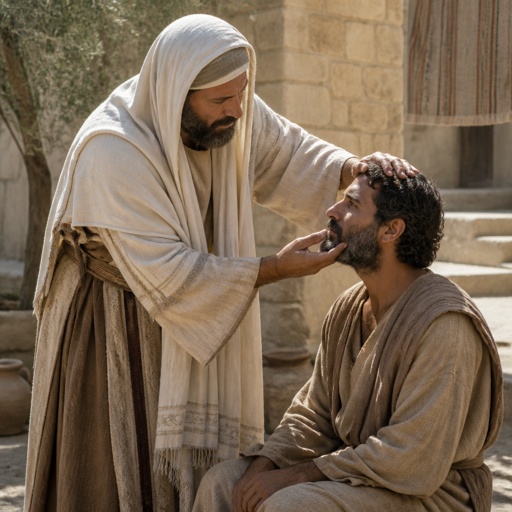
"¶ If a man or woman have a plague upon the head or the beard;" - Leviticus 13:29

Leviticus 26: 4-6

Leviticus 26: 4-6

Leviticus 26: 4-6

Leviticus 11:29 - "¶ These also shall be unclean unto you among the creeping things that creep upon the earth; the weasel, and the mouse, and the tortoise after his kind,"

Jeremiah 29: 4-14

Jeremiah 29: 4-14

Jeremiah 29: 4-14

Jeremiah 29: 4-14

Jeremiah 29: 4-14

Leviticus 4:1 - "And the LORD spake unto Moses, saying,"

1 Chronicles 4:29 - "And at Bilhah, and at Ezem, and at Tolad,"

Leviticus 15:29 - "And on the eighth day she shall take unto her two turtles, or two young pigeons, and bring them unto the priest, to the door of the tabernacle of the congregation."

Leviticus 27:29 - "None devoted, which shall be devoted of men, shall be redeemed; but shall surely be put to death." The image should not depict explicit or offensive content but be symbolic.

Leviticus 27:4 - "And if it be a female, then thy estimation shall be thirty shekels."

Leviticus 25:29 - "And if a man sell a dwelling house in a walled city, then he may redeem it within a whole year after it is sold; within a full year may he redeem it."