The Heart of Sacrifice: Understanding Our Offerings to God
"And the two kidneys, and the fat that is upon them, which is by the flanks, and the caul above the liver, with the kidneys, it shall he take away." - Leviticus 3:15
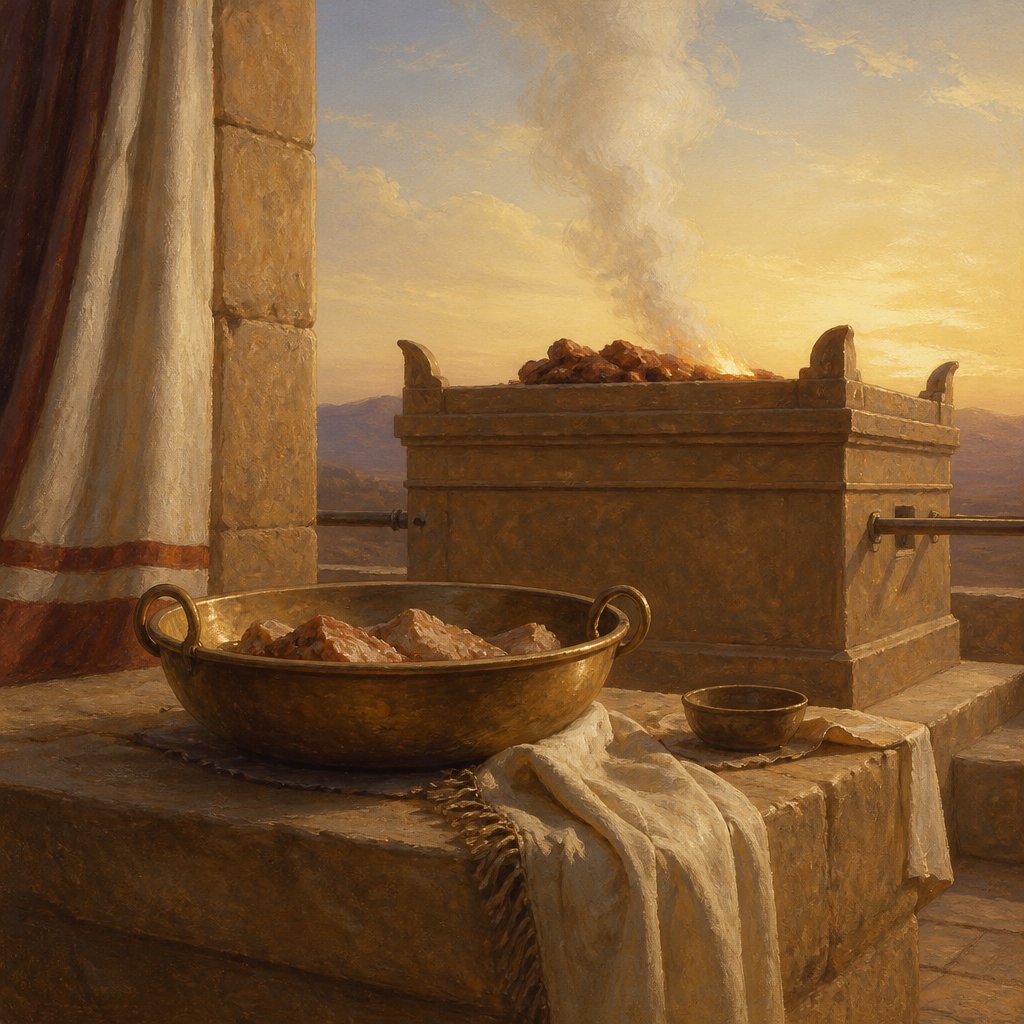
In the intricate landscape of the Old Testament, the Book of Leviticus serves as a foundational text for understanding holiness, sacrifice, and the nature of God’s covenant with His people. Leviticus 3:15 states, "And the two kidneys, and the fat that is upon them, which is by the flanks, and the caul above the liver, with the kidneys, it shall he take away." This passage, while seeming obscure and full of ritual significance, invites us to consider the deeper meanings behind our actions, our offerings, and the essence of what we bring before the Lord.
Firstly, this verse is nestled in the instructions for the peace offering, which was a voluntary sacrifice expressing gratitude and seeking communion with God. The specificity regarding which parts of the animal to be offered—particularly the kidneys, fat, and liver—serves a purpose beyond mere dietary laws. In ancient Israelite culture, the kidneys were believed to be the seat of emotion and conscience. In essence, this act of offering the kidneys signifies the giving of one’s innermost thoughts and feelings to God. It prompts us to introspect: what emotions are we bringing to God?
Fat, in biblical texts, often represents abundance and richness. The fat belongs to the Lord; as stated in Leviticus 3:16, "And the priest shall burn them upon the altar: it is the food of the offering made by fire for a sweet savour: all the fat is the Lord's." When we consider that the fat is a portion set aside for God, we must reflect on what we are withholding in our lives. Are we saving the 'best' of ourselves, our time, and our talents for our own purposes rather than offering them back to God? By dedicating anything of value to God, we acknowledge His ultimate sovereignty over our resources—a vital practice in spiritual maturity.
Moreover, the act of removing these specific parts of the sacrifice is illustrated with great intentionality. Rituals in the Old Testament were not mere formalities; they were profound acts of worship that called for a deep engagement with God. To take away these parts was to offer something that was already appreciated, not merely what was leftover or discarded. It teaches us that God desires not only our actions but also our sincerity in what we dedicate to Him. Therefore, we are called to commit ourselves wholeheartedly, reflecting on whether our offerings are true gifts or merely tokens that represent our time with the Lord.
Additionally, let us contemplate what it means to sacrifice for peace and communion with God. Oftentimes, offerings and sacrifices require us to lay down certain comforts and desires, echoing the essence of a sacrificial life detailed in Jesus’s words in Matthew 16:24, "If any man will come after me, let him deny himself, and take up his cross, and follow me." The concept of sacrifice invites us into deeper relationships with the divine—one highlighted by the faith that relinquishing these things allows for greater communion.
Yet, to understand this passage fully, we also must see it through the lens of Christ. Jesus, our ultimate peace offering, fulfills and expands upon these sacrificial laws. He, too, gave the best of Himself, embodying a heart devoted entirely to the mission of reconciling humanity with God. In crucifixion, He offered Himself freely and completely, embodying the essence behind these old laws with love and mercy.
As we meditate on Leviticus 3:15, let it encourage us to reflect on what we are willing to lay before God, examining our own sacrifices, our desires, and ultimately our hearts. Do our offerings bring us closer to Him, or do we hold back parts of ourselves out of fear or misunderstanding? May we learn to give willingly and joyfully, knowing that every part we offer brings us into deeper alignment with God's heart and purposes.
In closing, let this scripture not be viewed as a mere historical ritual, but as an invitation from God to reflect our lives in worship. Our sacrifices today may not be animal offerings; they are acts of love, service, and dedication. May our 'kidneys,' or our innermost selves, continually align with His will, and may our offerings truly reflect our gratitude and desire for His presence in our lives.
Want to reflect more on Leviticus 3:15?
Continue your spiritual journey with Bible Chat — an AI-powered tool for exploring God's Word through conversation. Ask questions, discover connections, and deepen your understanding.
Get Our Apps


Leviticus 3:15 Artwork

Leviticus 3:15 - "And the two kidneys, and the fat that is upon them, which is by the flanks, and the caul above the liver, with the kidneys, it shall he take away."
"And the two kidneys, and the fat that is upon them, which is by the flanks, and the caul above the liver, with the kidneys, it shall he take away." - Leviticus 3:15

Leviticus 15:3 - "And this shall be his uncleanness in his issue: whether his flesh run with his issue, or his flesh be stopped from his issue, it is his uncleanness."

Leviticus 23:15-22

Leviticus 11:15 - "Every raven after his kind;"

Leviticus 15:1 - "And the LORD spake unto Moses and to Aaron, saying,"

Leviticus 15:15 - "And the priest shall offer them, the one for a sin offering, and the other for a burnt offering; and the priest shall make an atonement for him before the LORD for his issue."

Leviticus 15:9 - "And what saddle soever he rideth upon that hath the issue shall be unclean."

Leviticus 2:15 - "And thou shalt put oil upon it, and lay frankincense thereon: it is a meat offering."

Leviticus 22:15 - "And they shall not profane the holy things of the children of Israel, which they offer unto the LORD;"

Leviticus 12:3 - "And in the eighth day the flesh of his foreskin shall be circumcised."
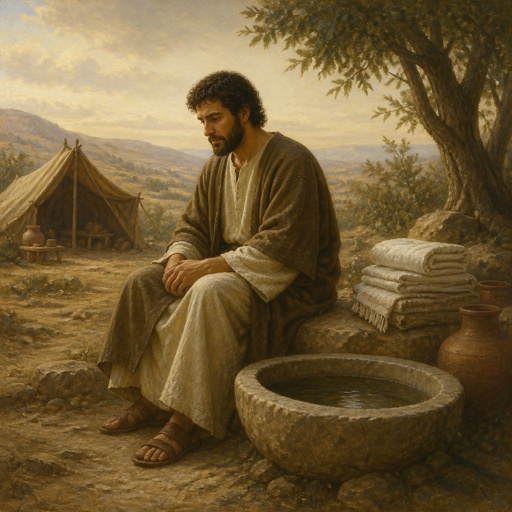
"And this shall be his uncleanness in his issue: whether his flesh run with his issue, or his flesh be stopped from his issue, it is his uncleanness." - Leviticus 15:3

Leviticus 15:17 - "And every garment, and every skin, whereon is the seed of copulation, shall be washed with water, and be unclean until the even."

Leviticus 13:15 - "And the priest shall see the raw flesh, and pronounce him to be unclean: for the raw flesh is unclean: it is a leprosy."

Leviticus 14:15 - "And the priest shall take some of the log of oil, and pour it into the palm of his own left hand:"

"Every raven after his kind;" - Leviticus 11:15

Leviticus 3:12 - "¶ And if his offering be a goat, then he shall offer it before the LORD."

Leviticus 21:15 - "Neither shall he profane his seed among his people: for I the LORD do sanctify him."

Leviticus 15:21 - "And whosoever toucheth her bed shall wash his clothes, and bathe himself in water, and be unclean until the even."

Leviticus 15:33 - "And of her that is sick of her flowers, and of him that hath an issue, of the man, and of the woman, and of him that lieth with her that is unclean."

Leviticus 8:3 - "And gather thou all the congregation together unto the door of the tabernacle of the congregation."

Leviticus 26:3 - "¶ If ye walk in my statutes, and keep my commandments, and do them;"

Leviticus 15:4 - "Every bed, whereon he lieth that hath the issue, is unclean: and every thing, whereon he sitteth, shall be unclean."

Leviticus 15:12 - "And the vessel of earth, that he toucheth which hath the issue, shall be broken: and every vessel of wood shall be rinsed in water."

Leviticus 24:15 - "And thou shalt speak unto the children of Israel, saying, Whosoever curseth his God shall bear his sin."

Leviticus 15:23 - "And if it be on her bed, or on any thing whereon she sitteth, when he toucheth it, he shall be unclean until the even."

Leviticus 9:15 - "¶ And he brought the people's offering, and took the goat, which was the sin offering for the people, and slew it, and offered it for sin, as the first."

Leviticus 15:28 - "But if she be cleansed of her issue, then she shall number to herself seven days, and after that she shall be clean."

Leviticus 15:5 - "And whosoever toucheth his bed shall wash his clothes, and bathe himself in water, and be unclean until the even."
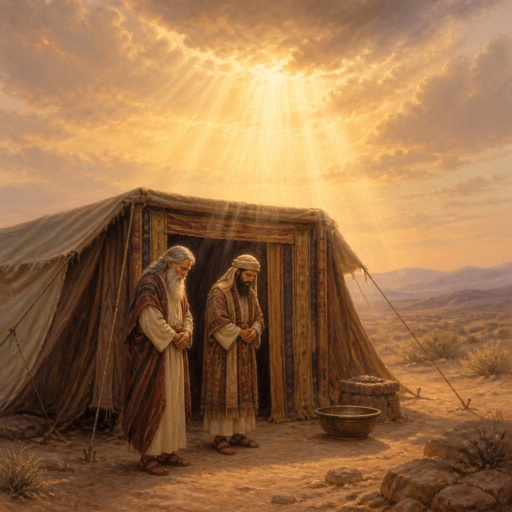
"And the LORD spake unto Moses and to Aaron, saying," - Leviticus 15:1