Harvesting Gratitude: The Spiritual Significance of Firstfruits
"¶ As for the oblation of the firstfruits, ye shall offer them unto the LORD: but they shall not be burnt on the altar for a sweet savour." - Leviticus 2:12
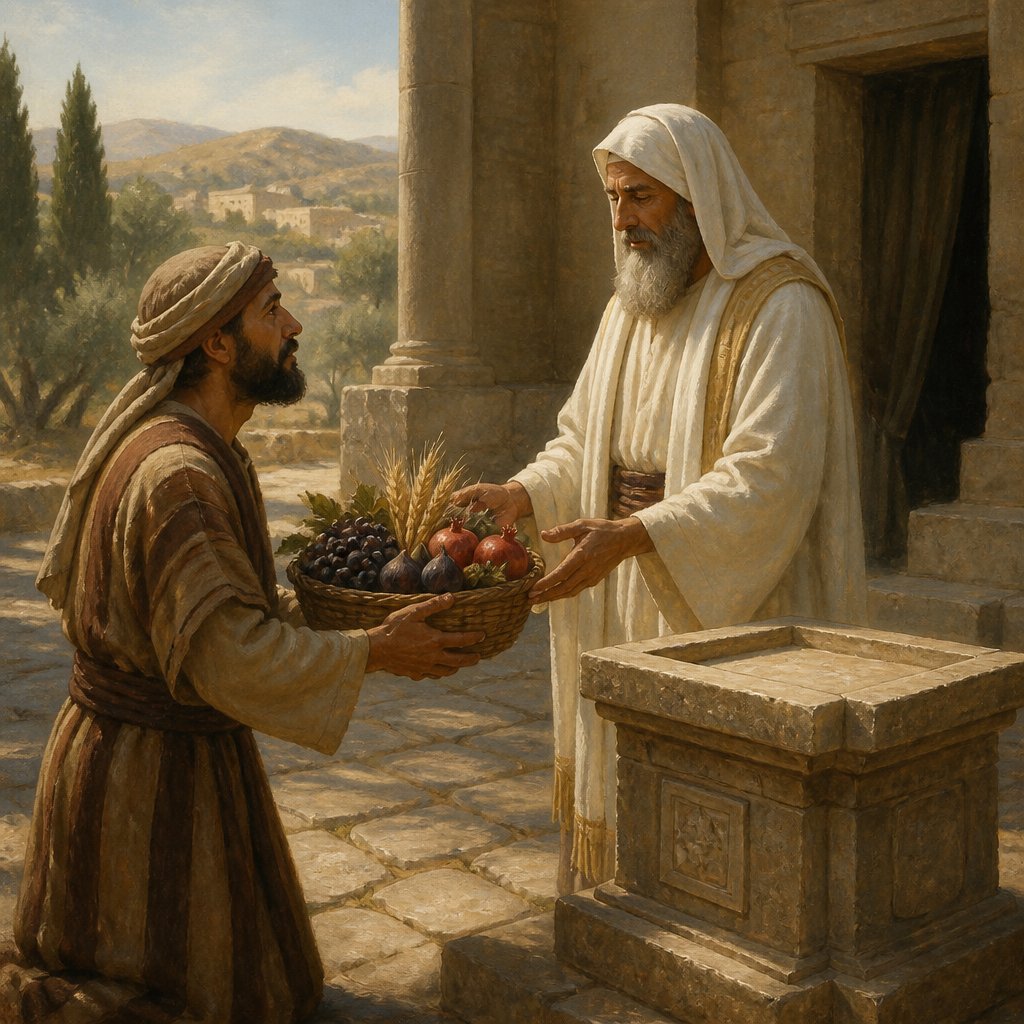
In the book of Leviticus, a profound directive is given to the children of Israel regarding the offering of their firstfruits to the Lord. Leviticus 2:12 states, "As for the oblation of the firstfruits, ye shall offer them unto the LORD: but they shall not be burnt on the altar for a sweet savour." This verse encapsulates not just a command, but an invitation to engage in a life of gratitude, thanksgiving, and acknowledgment of God's providence in our lives.
The concept of firstfruits is steeped in agricultural imagery, deeply rooted in the ancient practices of a largely agrarian society. The firstfruits represented the very best of one’s harvest – the initial yield that was dedicated to God as a sign of gratitude and recognition of His provision. It was more than a mere obligation or tradition; it was a profound relationship between the giver and the divine.
As we explore this verse, we are reminded that God desires our best. The offering of the firstfruits symbolizes a heart that acknowledges God as the Source of all blessings. When we bring our firstfruits to God—whether they be in the form of time, talents, or resources—we declare that we trust Him to provide for our needs, and we celebrate the goodness of His generosity. Our firstfruits should not be viewed as leftovers or afterthoughts but as the highlight of our giving, signifying the priority we place on our relationship with God.
It is also crucial to note that these firstfruits were not to be burnt on the altar for a sweet savour. This distinction is significant. In the context of sacrificial offerings, burning something on the altar was a practice intended to produce a fragrant aroma, symbolizing acceptance and communion with God. Instead, the firstfruits were to be presented before the Lord in a different manner. This indicates that not all offerings are made for the same purpose. The essence of the firstfruit offering lies in its recognition of God as the giver of all good gifts.
In practical terms, how can we apply this to our contemporary lives? First, we must evaluate what our firstfruits look like today. Perhaps it means waking up early in the morning to spend quiet time with God, dedicating the first part of our day to prayer and reflection. It may involve setting aside time each week to serve in our communities, offering our skills and passions as acts of worship. It could also manifest in our financial giving, prioritizing our charitable contributions before we allocate our resources elsewhere, mirroring the agricultural practice of bringing the first and best of what we have.
Moreover, the offering of firstfruits is an act of faith. When we give our first and best to the Lord, we are proclaiming our belief in His ability to fulfill our needs. In a world driven by scarcity thinking, the act of giving from the top of our harvest may seem counterintuitive. However, God has called us to live in abundance rather than fear. As we trust Him with our firstfruits, we are inviting His blessing into our lives and acknowledging that everything we have is ultimately His.
Let us not forget the broader implications of offering our firstfruits. It speaks to our priorities and the way we view our relationship with God. When we choose to honor Him with our first and best, we align ourselves with His desires and purposes for our lives. This ultimately enriches our spiritual journey, transforming our hearts to more fully appreciate His grace and provision.
In conclusion, as we reflect on Leviticus 2:12, let it serve as a reminder to cultivate a lifestyle of gratitude, prioritizing God in all we do. May we offer our firstfruits not merely as a ritual act but as a heartfelt tribute to the King of Kings, welcoming His presence into every area of our lives. As we step into gratitude, we are not just recognizing who He is; we are also embracing who He calls us to be.
Want to reflect more on Leviticus 2:12?
Continue your spiritual journey with Bible Chat — an AI-powered tool for exploring God's Word through conversation. Ask questions, discover connections, and deepen your understanding.
Get Our Apps


Leviticus 2:12 Artwork

Leviticus 2:12 - "¶ As for the oblation of the firstfruits, ye shall offer them unto the LORD: but they shall not be burnt on the altar for a sweet savour."
"¶ As for the oblation of the firstfruits, ye shall offer them unto the LORD: but they shall not be burnt on the altar for a sweet savour." - Leviticus 2:12
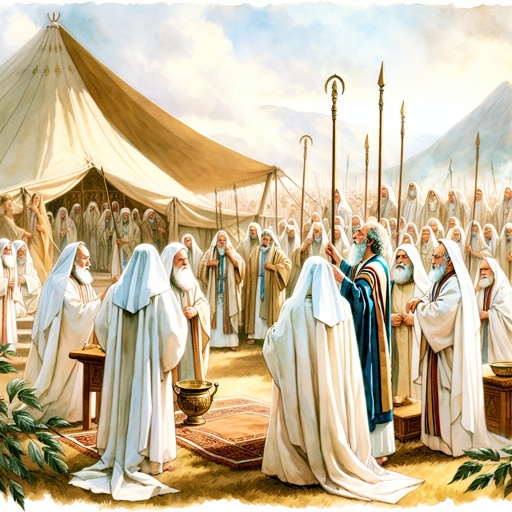
Leviticus 8:1-12
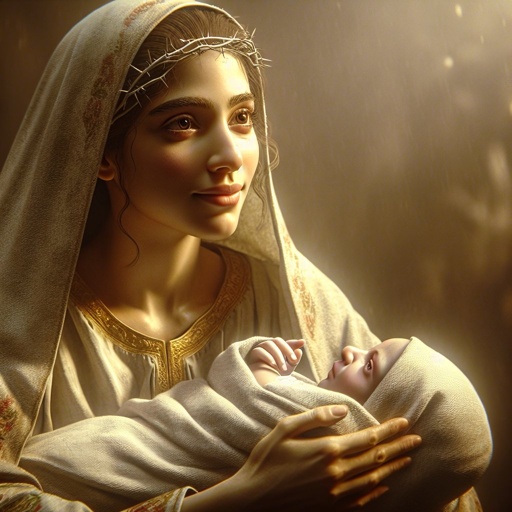
Leviticus 12:2 - "Speak unto the children of Israel, saying, If a woman have conceived seed, and born a man child: then she shall be unclean seven days; according to the days of the separation for her infirmity shall she be unclean."

Leviticus 12:1 - "And the LORD spake unto Moses, saying,"

Leviticus 12:3 - "And in the eighth day the flesh of his foreskin shall be circumcised."

Leviticus 24:12 - "And they put him in ward, that the mind of the LORD might be shewed them."

Leviticus 3:12 - "¶ And if his offering be a goat, then he shall offer it before the LORD."

Leviticus 26:12 - "And I will walk among you, and will be your God, and ye shall be my people."

Leviticus 11:12 - "Whatsoever hath no fins nor scales in the waters, that shall be an abomination unto you."
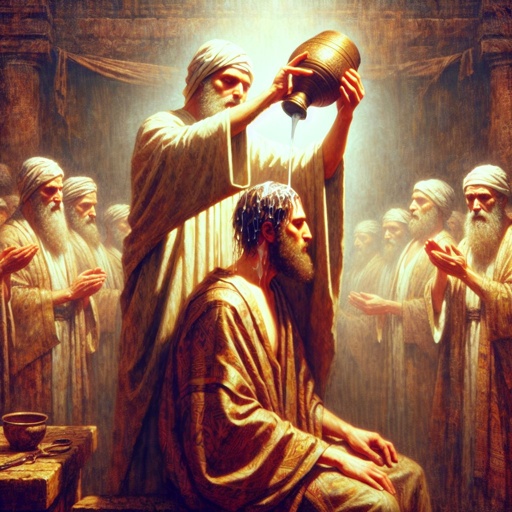
Leviticus 8:12 - "And he poured of the anointing oil upon Aaron's head, and anointed him, to sanctify him."

Leviticus 25:12 - "For it is the jubile; it shall be holy unto you: ye shall eat the increase thereof out of the field."

"And the LORD spake unto Moses, saying," - Leviticus 12:1

Leviticus 18:12 - "Thou shalt not uncover the nakedness of thy father's sister: she is thy father's near kinswoman."

Leviticus 22:12 - "If the priest's daughter also be married unto a stranger, she may not eat of an offering of the holy things."

Leviticus 27:12 - "And the priest shall value it, whether it be good or bad: as thou valuest it, who art the priest, so shall it be."

Leviticus 15:12 - "And the vessel of earth, that he toucheth which hath the issue, shall be broken: and every vessel of wood shall be rinsed in water."

Leviticus 19:12 - "¶ And ye shall not swear by my name falsely, neither shalt thou profane the name of thy God: I am the LORD."

Leviticus 9:12 - "And he slew the burnt offering; and Aaron's sons presented unto him the blood, which he sprinkled round about upon the altar."

"And in the eighth day the flesh of his foreskin shall be circumcised." - Leviticus 12:3

Leviticus 20:10-12 - "Leviticus 20:10-12 If a man commits adultery with another man's wife—with the wife of his neighbor—both the adulterer and the adulteress are to be put to death. If a man has sexual relations with his father’s wife, he has dishonored his father. Both the man and the woman are to be put to death; their blood will be on their own heads. If a man has sexual relations with his daughter-in-law, both of them are to be put to death. What they have done is a perversion; their blood will be on their own heads."

"¶ And if his offering be a goat, then he shall offer it before the LORD." - Leviticus 3:12

Leviticus 20:12 - "And if a man lie with his daughter in law, both of them shall surely be put to death: they have wrought confusion; their blood shall be upon them."

Leviticus 14:12 - "And the priest shall take one he lamb, and offer him for a trespass offering, and the log of oil, and wave them for a wave offering before the LORD:"

Leviticus 23:12 - "And ye shall offer that day when ye wave the sheaf an he lamb without blemish of the first year for a burnt offering unto the LORD."
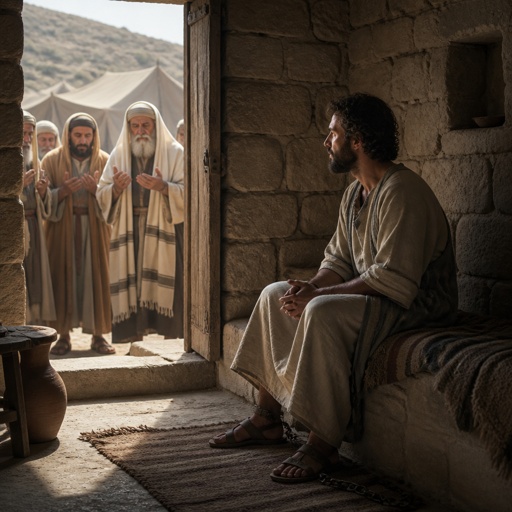
"And they put him in ward, that the mind of the LORD might be shewed them." - Leviticus 24:12

Leviticus 16:12 make the censor obvious. Make the Priest a Hebrew, and have his Garments on.

Leviticus 12:5 - "But if she bear a maid child, then she shall be unclean two weeks, as in her separation: and she shall continue in the blood of her purifying threescore and six days."

Leviticus 2:6 - "Thou shalt part it in pieces, and pour oil thereon: it is a meat offering."

Leviticus 17:12 - "Therefore I said unto the children of Israel, No soul of you shall eat blood, neither shall any stranger that sojourneth among you eat blood."