The Sacredness of Our Offerings: A Call to Holiness
"And that which is left of the meat offering shall be Aaron's and his sons': it is a thing most holy of the offerings of the LORD made by fire." - Leviticus 2:10
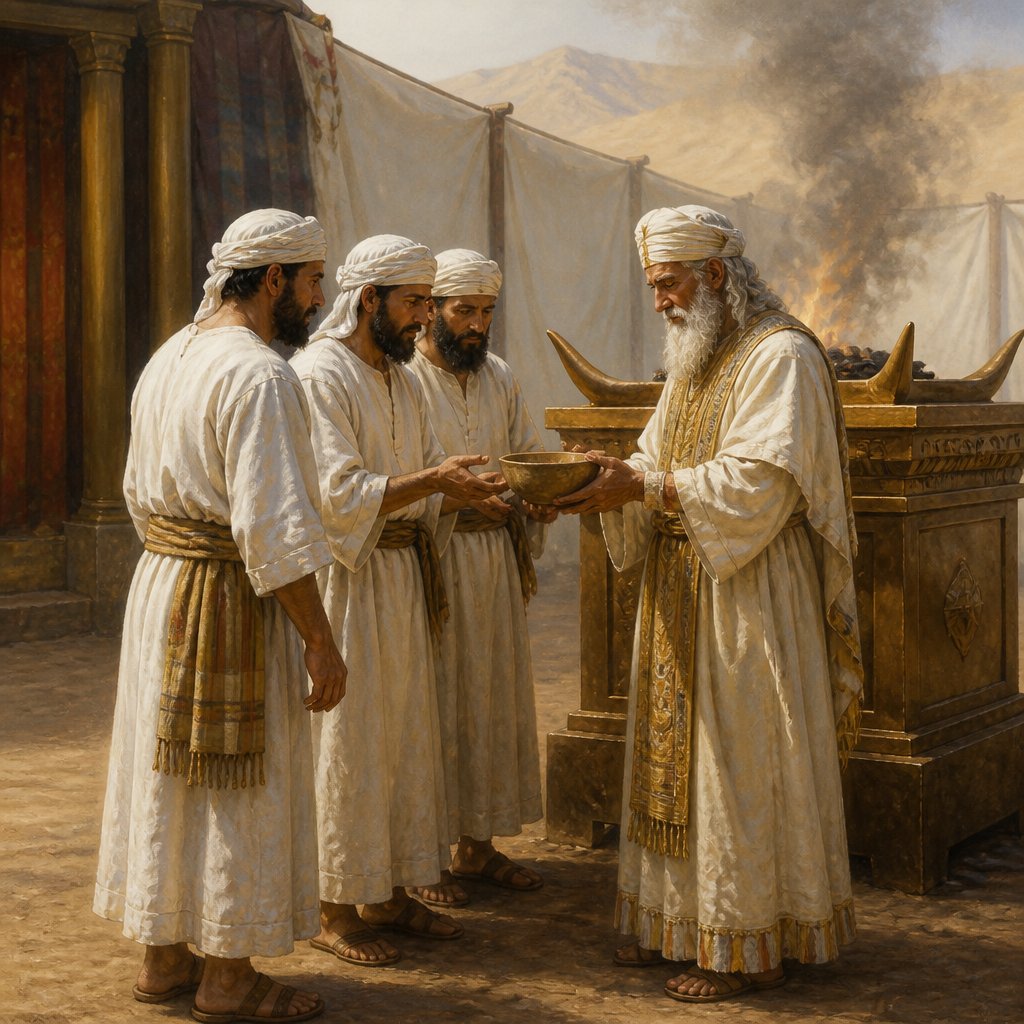
Leviticus 2:10 reads, "And that which is left of the meat offering shall be Aaron's and his sons': it is a thing most holy of the offerings of the LORD made by fire." At first glance, this verse, nestled in ancient law codes, may seem like a mere instruction regarding what to do with leftover offerings. However, when we delve deeper into the context and the spiritual significance behind it, we uncover timeless truths that speak to the heart of worship, sacrifice, and holiness.
The meat offering, or the grain offering as it is often termed in other translations, was an integral part of the sacrificial system established by God for His people. Unlike the sin offerings or guilt offerings that addressed the need for atonement, the grain offering was an expression of gratitude and dedication to God. It celebrated God’s provision and sufficiency in the lives of the Israelites. In this context, the phrase "that which is left" carries significant weight. God instructed that any remaining portions of these offerings would belong to Aaron and his sons, designated as holy, indicating their sacred trust in managing these holy items.
The term "thing most holy" elevates the status of these offerings significantly. It indicates that they are set apart for God’s purposes and belong exclusively to Him. This speaks to the nature of holiness—what is holy must be treated with reverence. The priests, Aaron and his sons, were entrusted with what was left of the offering. This indicates a profound responsibility laid upon them; they were to handle these remnants with respect and understanding of their sanctity. In this beautiful Old Testament narrative, we see a picture of God’s intimate relationship with His people. He desires not only their offerings but their hearts. The act of offering—be it grain, animal, or praise—was intended to be an expression of love and devotion.
In our contemporary understanding, how can we translate the significance of Leviticus 2:10 into our daily lives? **First**, we must recognize that everything we offer to God—whether it be our time, talents, or treasures—should come from a place of thanksgiving. Just as the Israelites brought their grain offerings as a sign of gratitude, we, too, should strive to offer our lives in appreciation for God’s unending grace and provision.
**Second**, we are reminded of the reverence required in our relationship with God. In the churches today, we often talk about living accessible lives, and that's important, yet we must also understand the sacred nature of our worship. Our songs, prayers, and even our conversations about God should carry a weight of respect because we are engaging with the Divine. We can learn from Aaron and his sons that it’s not merely the outward acts of worship that matter but the condition of our hearts and our intent behind our offerings.
**Finally**, we must recognize that being entrusted with holiness calls for accountability. Aaron and his sons were to take care of the offerings, ensuring they were treated as sacred. In our lives, we are called to be good stewards of what God has given us. How do we manage our gifts? Do we see our time as sacred? Are our relationships treated with holiness? Each aspect of our lives can be an offering to God, and how we handle them reflects our understanding of His holiness.
As we take time to meditate on Leviticus 2:10, let us remember that our offerings are not just rituals; they are acts of worship that invite God's presence into our lives. When we offer ourselves, let us do so with the recognition of His holiness and our role as priests in His kingdom. May we treat our everyday sacrifices with sanctity, knowing they are pleasing to the Lord, just as the leftover offerings were to Aaron and his sons. In doing so, we fulfill our calling to live lives set apart for the glory of God.
Want to reflect more on Leviticus 2:10?
Continue your spiritual journey with Bible Chat — an AI-powered tool for exploring God's Word through conversation. Ask questions, discover connections, and deepen your understanding.
Get Our Apps


Leviticus 2:10 Artwork

Leviticus 2:10 - "And that which is left of the meat offering shall be Aaron's and his sons': it is a thing most holy of the offerings of the LORD made by fire."
"And that which is left of the meat offering shall be Aaron's and his sons': it is a thing most holy of the offerings of the LORD made by fire." - Leviticus 2:10

Leviticus 10:2 - "And there went out fire from the LORD, and devoured them, and they died before the LORD."
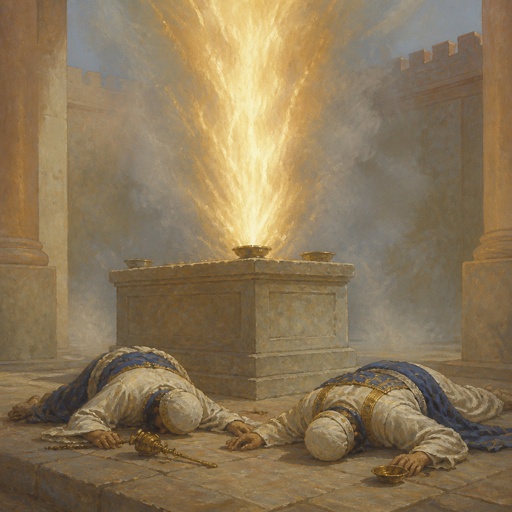
"And there went out fire from the LORD, and devoured them, and they died before the LORD." - Leviticus 10:2

Leviticus 10:10 - "And that ye may put difference between holy and unholy, and between unclean and clean;"

leviticus 16:7-10

Leviticus 10:20 - "And when Moses heard that, he was content."
Leviticus 10:8 - "¶ And the LORD spake unto Aaron, saying,"

Leviticus 26:10 - "And ye shall eat old store, and bring forth the old because of the new."

Leviticus 8:10 - "And Moses took the anointing oil, and anointed the tabernacle and all that was therein, and sanctified them."

Leviticus 10:5 - "So they went near, and carried them in their coats out of the camp; as Moses had said."
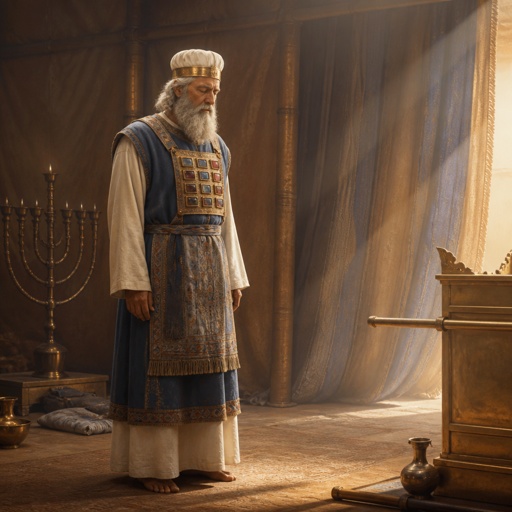
"¶ And the LORD spake unto Aaron, saying," - Leviticus 10:8
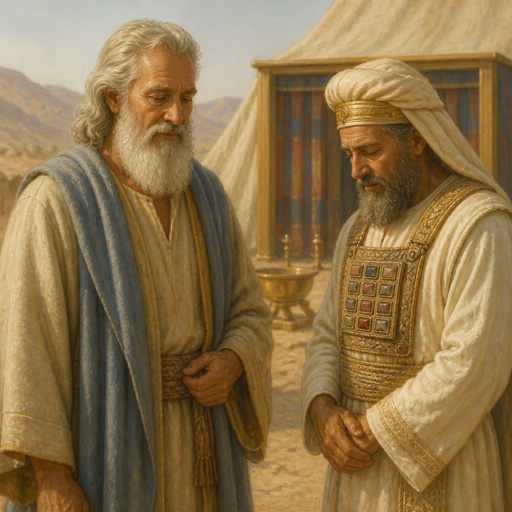
"And when Moses heard that, he was content." - Leviticus 10:20
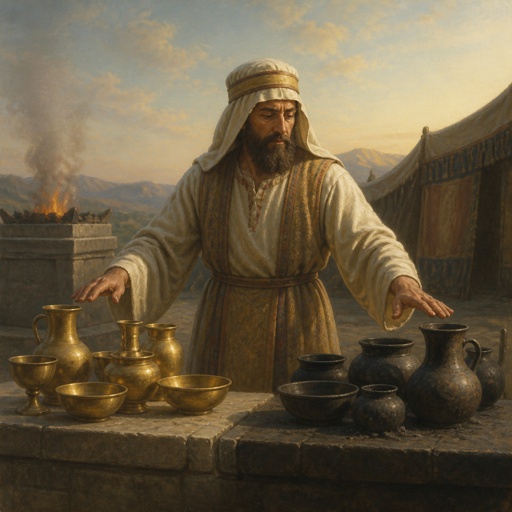
"And that ye may put difference between holy and unholy, and between unclean and clean;" - Leviticus 10:10

Leviticus 22:10 - "There shall no stranger eat of the holy thing: a sojourner of the priest, or an hired servant, shall not eat of the holy thing."

Leviticus 7:10 - "And every meat offering, mingled with oil, and dry, shall all the sons of Aaron have, one as much as another."

Leviticus 1:10 - "¶ And if his offering be of the flocks, namely, of the sheep, or of the goats, for a burnt sacrifice; he shall bring it a male without blemish."

Leviticus 9:10 - "But the fat, and the kidneys, and the caul above the liver of the sin offering, he burnt upon the altar; as the LORD commanded Moses."

Leviticus 10:11 - "And that ye may teach the children of Israel all the statutes which the LORD hath spoken unto them by the hand of Moses."

Leviticus 3:10 - "And the two kidneys, and the fat that is upon them, which is by the flanks, and the caul above the liver, with the kidneys, it shall he take away."

Leviticus 10:18 - "Behold, the blood of it was not brought in within the holy place: ye should indeed have eaten it in the holy place, as I commanded."

Leviticus 4:10 - "As it was taken off from the bullock of the sacrifice of peace offerings: and the priest shall burn them upon the altar of the burnt offering."

Leviticus 13:10 - "And the priest shall see him: and, behold, if the rising be white in the skin, and it have turned the hair white, and there be quick raw flesh in the rising;"

Leviticus 18:10 - "The nakedness of thy son's daughter, or of thy daughter's daughter, even their nakedness thou shalt not uncover: for their's is thine own nakedness."

Leviticus 20:10-12 - "Leviticus 20:10-12 If a man commits adultery with another man's wife—with the wife of his neighbor—both the adulterer and the adulteress are to be put to death. If a man has sexual relations with his father’s wife, he has dishonored his father. Both the man and the woman are to be put to death; their blood will be on their own heads. If a man has sexual relations with his daughter-in-law, both of them are to be put to death. What they have done is a perversion; their blood will be on their own heads."

Leviticus 16:10 - "But the goat, on which the lot fell to be the scapegoat, shall be presented alive before the LORD, to make an atonement with him, and to let him go for a scapegoat into the wilderness."

Leviticus 11:10 - "And all that have not fins and scales in the seas, and in the rivers, of all that move in the waters, and of any living thing which is in the waters, they shall be an abomination unto you:"

Leviticus 24:10 - "¶ And the son of an Israelitish woman, whose father was an Egyptian, went out among the children of Israel: and this son of the Israelitish woman and a man of Israel strove together in the camp;"
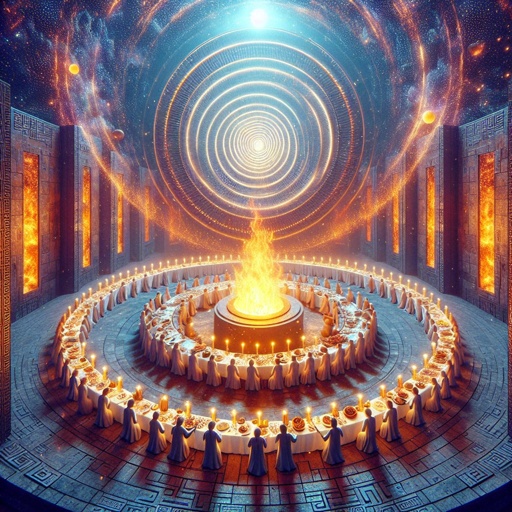
Leviticus 10:13 - "And ye shall eat it in the holy place, because it is thy due, and thy sons' due, of the sacrifices of the LORD made by fire: for so I am commanded."

Leviticus 10:16 - "¶ And Moses diligently sought the goat of the sin offering, and, behold, it was burnt: and he was angry with Eleazar and Ithamar, the sons of Aaron which were left alive, saying,"