Redeemed Servants: A Reflection on Divine Ownership
"For they are my servants, which I brought forth out of the land of Egypt: they shall not be sold as bondmen." - Leviticus 25:42

Leviticus 25:42 states, "For they are my servants, which I brought forth out of the land of Egypt: they shall not be sold as bondmen." This verse encapsulates the profound relationship between God and His people, emphasizing the concept of divine ownership and redemption. As we delve into the significance of this scripture, we are reminded of our identity as servants of the Most High and the implications that come with such a designation.
To understand this verse fully, we must consider the historical context of the Israelites' journey. The phrase "which I brought forth out of the land of Egypt" harkens back to the Exodus, a pivotal moment in the history of Israel when God delivered His people from slavery. This deliverance was not merely a physical liberation; it was a profound act of salvation, signifying God's commitment to His covenant with Israel. God’s declaration that they are His servants underscores their special status—not as mere subjects or laborers—but as beloved members of His household.
The term "servants" in this context invites contemplation. When we think of servitude today, it often conjures up negative connotations due to historical abuses and the exploitation of individuals. However, in the biblical sense, servitude under God invites thoughts of dignity, purpose, and fulfillment. Servants of the Lord are called to reflect His glory, serve His purposes, and participate in His grand narrative of redemption. This positioning also implies accountability; being a servant of God comes with responsibilities and a call to live according to His principles and commands.
Moreover, the allowance that they "shall not be sold as bondmen" highlights the inherent worth and dignity of every individual created in God's image. To be sold into bondage signifies the ultimate loss of freedom. It is a state of disempowerment and subjugation. Here, God proclaims that His people are not to be treated as commodities in the marketplace. This act of prohibition comes laden with profound theological significance: God values His people, and they belong wholly to Him.
In our contemporary world, this scripture offers compelling truths about identity and value. Just as the Israelites were freed from physical slavery, we too can find freedom from the various forms of bondage that plague our lives today. This can be emotional bondage, the chains of sin, addictions, or societal pressures that seek to define us apart from God’s will. When we acknowledge that we are God’s servants, we can claim the freedom that comes from His redemptive work. We are no longer defined by what the world says about us or the failures that seek to bind us, but by our identity in Christ.
Additionally, the call of this scripture is not only about recognizing our value but also about understanding the significance of our calling. As servants of God, we are commissioned to live out our faith in tangible ways. This could mean serving in our communities, standing against injustice, or sharing the love and grace of God with those around us. Our lives are not our own; they are gifts to be utilized for His glory. This transformative service can be seen as a response to His calling, demonstrating our gratitude for the redemption we have received.
In prayer, we should seek the Lord's guidance in living as His servants. Ask Him to reveal the areas of our lives where we may be seeking to serve ourselves or the world rather than Him. Reflect on how we can display His love and mercy in our daily interactions. Remember that we are marked not by bondage but by His unfailing love and grace.
In conclusion, Leviticus 25:42 resonates with the heart of the gospel message: we are redeemed, valued, and called to serve. May we embrace our identity as servants of the Lord, free from the shackles of sin and worldly measures of worth, as we commit ourselves to the work He has set before us. Let us rejoice in our redemption and live out our calling in every aspect of our lives.
Want to reflect more on Leviticus 25:42?
Continue your spiritual journey with Bible Chat — an AI-powered tool for exploring God's Word through conversation. Ask questions, discover connections, and deepen your understanding.
Get Our Apps


Leviticus 25:42 Artwork

Leviticus 25:42 - "For they are my servants, which I brought forth out of the land of Egypt: they shall not be sold as bondmen."

"For they are my servants, which I brought forth out of the land of Egypt: they shall not be sold as bondmen." - Leviticus 25:42

Leviticus 23:42 - "Ye shall dwell in booths seven days; all that are Israelites born shall dwell in booths:"

Leviticus 13:42 - "And if there be in the bald head, or bald forehead, a white reddish sore; it is a leprosy sprung up in his bald head, or his bald forehead."

Matthew 25:42 - "For I was an hungred, and ye gave me no meat: I was thirsty, and ye gave me no drink:"

Leviticus 14:42 - "And they shall take other stones, and put them in the place of those stones; and he shall take other morter, and shall plaister the house."

Leviticus 26:42 - "Then will I remember my covenant with Jacob, and also my covenant with Isaac, and also my covenant with Abraham will I remember; and I will remember the land."

Leviticus 25:26 - "And if the man have none to redeem it, and himself be able to redeem it;"

Leviticus 25:34 - "But the field of the suburbs of their cities may not be sold; for it is their perpetual possession."

Leviticus 25:1 - "And the LORD spake unto Moses in mount Sinai, saying,"

Leviticus 16:25 - "And the fat of the sin offering shall he burn upon the altar."

Leviticus 25:24 - "And in all the land of your possession ye shall grant a redemption for the land."

Leviticus 25:13 - "In the year of this jubile ye shall return every man unto his possession."

Leviticus 25:23 - "¶ The land shall not be sold for ever: for the land is mine; for ye are strangers and sojourners with me."
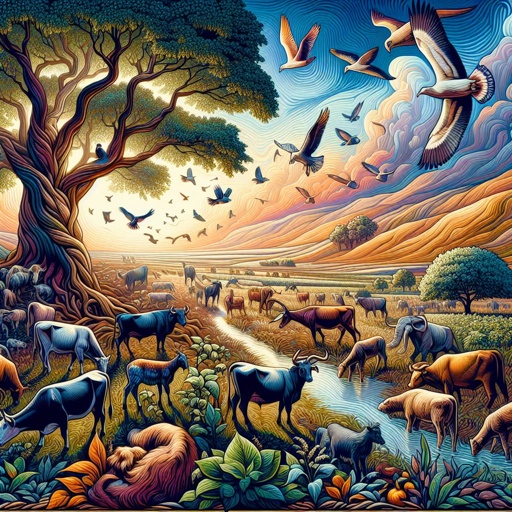
Leviticus 25:7 - "And for thy cattle, and for the beast that are in thy land, shall all the increase thereof be meat."

Genesis 42:25 - "¶ Then Joseph commanded to fill their sacks with corn, and to restore every man's money into his sack, and to give them provision for the way: and thus did he unto them."
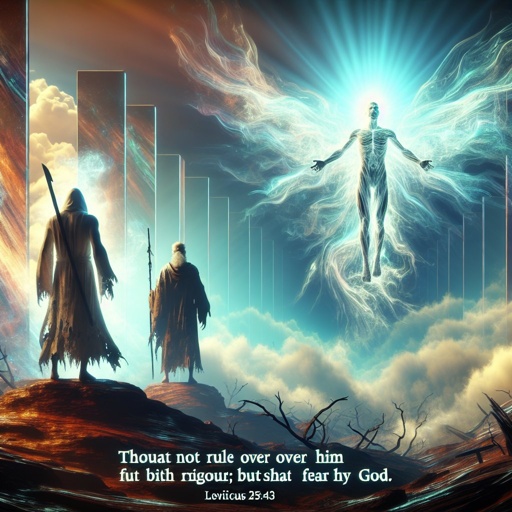
Leviticus 25:43 - "Thou shalt not rule over him with rigour; but shalt fear thy God."

Leviticus 11:42 - "Whatsoever goeth upon the belly, and whatsoever goeth upon all four, or whatsoever hath more feet among all creeping things that creep upon the earth, them ye shall not eat; for they are an abomination."

Leviticus 25:32 - "Notwithstanding the cities of the Levites, and the houses of the cities of their possession, may the Levites redeem at any time."

Leviticus 27:25 - "And all thy estimations shall be according to the shekel of the sanctuary: twenty gerahs shall be the shekel."

Leviticus 25:25 - "¶ If thy brother be waxen poor, and hath sold away some of his possession, and if any of his kin come to redeem it, then shall he redeem that which his brother sold."

1 Samuel 25:42 - "And Abigail hasted, and arose, and rode upon an ass, with five damsels of hers that went after her; and she went after the messengers of David, and became his wife."

Cycle of sabbath rest year. Leviticus 25:1-7

Leviticus 25:12 - "For it is the jubile; it shall be holy unto you: ye shall eat the increase thereof out of the field."

Leviticus 25:40 - "But as an hired servant, and as a sojourner, he shall be with thee, and shall serve thee unto the year of jubile:"

"Ye shall dwell in booths seven days; all that are Israelites born shall dwell in booths:" - Leviticus 23:42
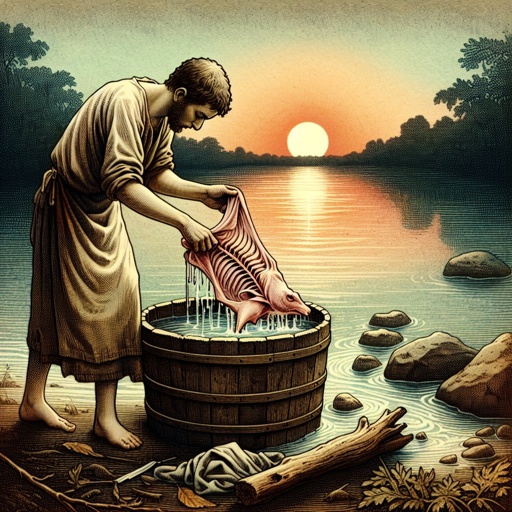
Leviticus 11:25 - "And whosoever beareth ought of the carcase of them shall wash his clothes, and be unclean until the even."

Leviticus 25:48 - "After that he is sold he may be redeemed again; one of his brethren may redeem him:"

Leviticus 25:36 - "Take thou no usury of him, or increase: but fear thy God; that thy brother may live with thee."

Leviticus 25:19 - "And the land shall yield her fruit, and ye shall eat your fill, and dwell therein in safety."