Cultivating Faithfulness: The Lessons of Leviticus 25:3
"Six years thou shalt sow thy field, and six years thou shalt prune thy vineyard, and gather in the fruit thereof;" - Leviticus 25:3
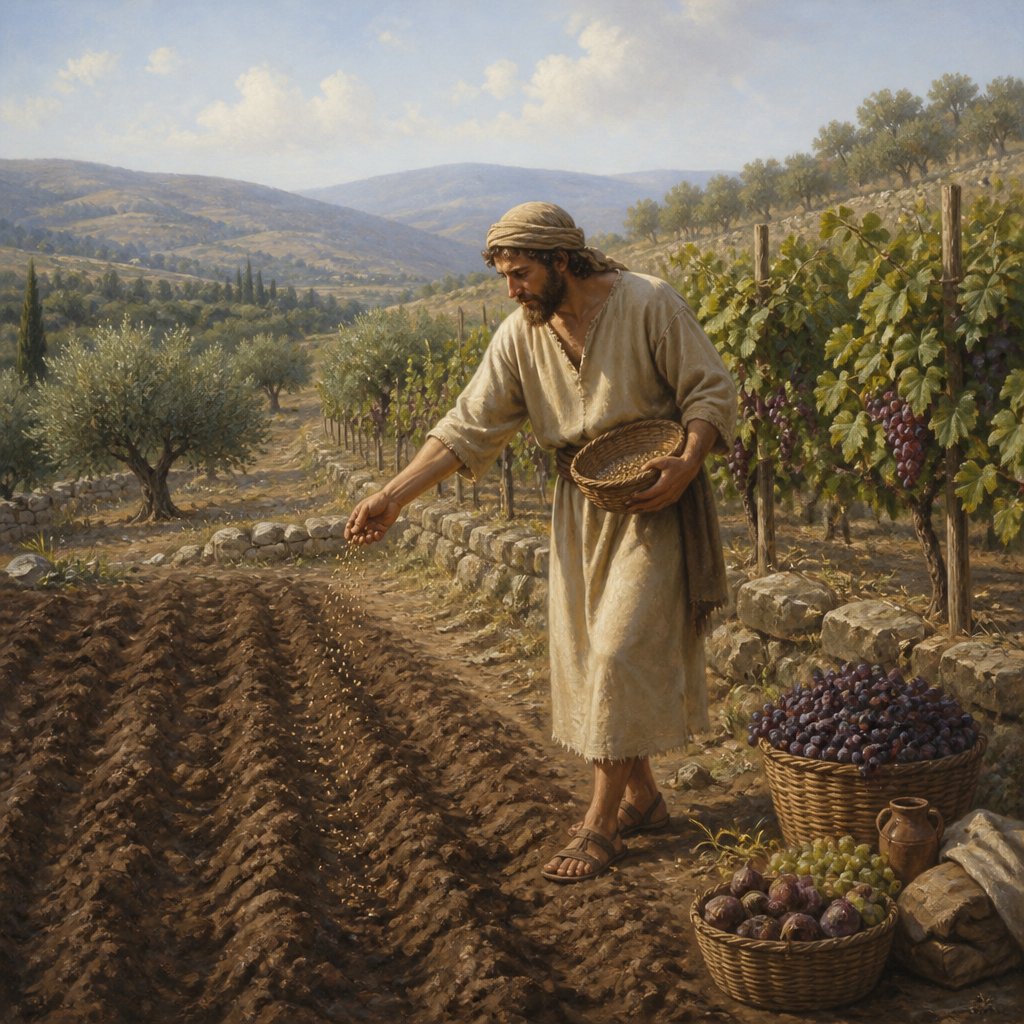
In the hustle and bustle of our daily lives, it’s easy to overlook some of the deeper lessons contained within the Scriptures. One such verse is found in Leviticus, specifically Leviticus 25:3, which states, “Six years thou shalt sow thy field, and six years thou shalt prune thy vineyard, and gather in the fruit thereof.” This passage can often be dismissed as an agricultural mandate, but it carries profound spiritual significance for believers in today's world.
The context of this commandment stems from God’s giving of the Law to the Israelites. The Israelites lived in an agrarian society, highly dependent upon the cycles of planting, harvesting, and resting. In this passage, God sets forth a clear, intentional rhythm for their agricultural practices—a cycle of work and rest, productivity and renewal. For six years, the people were instructed to till the soil, plant seeds, prune their vines, and collect the yield. However, the seventh year was designated as a sabbath, a time for the land to rest. This command reflects God’s design not just for the land but also for mankind.
The first insight we glean from Leviticus 25:3 is the principle of diligence. The phrase “six years thou shalt sow thy field” emphasizes the importance of hard work and commitment over a sustained period. In our own lives, we are called to be diligent in our endeavors—whether it be in our jobs, our relationships, our studies, or our spiritual growth. This diligence requires investment of time, resources, and energy, mirroring the farmer’s commitment to his crops.
However, the rhythm of six years of labor followed by a year of rest teaches us that diligence must be balanced with rest. Our culture often idolizes busyness, convincing us that our worth is tied to our productivity. Yet, resting is not merely a break from work, but an integral part of God’s design for our lives. When we fail to rest, we may find ourselves drained, spiritually bankrupt, and incapable of truly reaping the fruits of our labors. The seventh year calls us to pause, reflect, and allow space for rejuvenation. This can mean disconnecting from our daily grind to reconnect with God, our families, and what truly matters in life.
Moreover, this agricultural metaphor extends into our spiritual lives. As we sow seeds of faith, whether through prayer, acts of kindness, or sharing the gospel, we expect to see a harvest—not just in our lives but also in the lives of those around us. The act of gathering the fruits that result from our labor reminds us of the joy of witnessing growth and transformation, both in our own lives and in the lives of others. God promises through diligent work and faithfulness, there will always be a harvest. In Galatians 6:9, Paul encourages us, saying, "And let us not be weary in well doing: for in due season we shall reap, if we faint not."
Additionally, the vineyard symbolizes a place of both labor and promise. When we prune a vineyard, we do not simply cut away; we make way for new growth. This aspect invites us to consider what areas in our lives need pruning—habits, relationships, mindsets. God calls us to actively participate in the changing and shaping of our lives, entrusting Him with the process. As we move in obedience to God’s instructions, we are promised fruitful outcomes that will glorify Him.
In conclusion, Leviticus 25:3 offers more than just agricultural guidance; it provides timeless wisdom for cultivating a life of balance, diligence, and faithfulness. As we strive to sow, prune, and gather, may we embrace both the work and the rest that God has ordained. Let’s commit ourselves not only to the toil, but to the trust in God’s timing for the harvest, knowing He is at work in and through us every step of the way.
Let us pray: Lord, help us to be diligent in our lives, faithfully working and planting seeds in the ground of our daily worship. Guide us to know when to rest and allow You to rejuvenate our spirits. May we trust in Your timing, anticipating with joy the harvest You will bring forth. In Jesus' name we pray, Amen.
Want to reflect more on Leviticus 25:3?
Continue your spiritual journey with Bible Chat — an AI-powered tool for exploring God's Word through conversation. Ask questions, discover connections, and deepen your understanding.
Get Our Apps


Leviticus 25:3 Artwork

Leviticus 25:3 - "Six years thou shalt sow thy field, and six years thou shalt prune thy vineyard, and gather in the fruit thereof;"
"Six years thou shalt sow thy field, and six years thou shalt prune thy vineyard, and gather in the fruit thereof;" - Leviticus 25:3

Leviticus 25:26 - "And if the man have none to redeem it, and himself be able to redeem it;"

Leviticus 25:34 - "But the field of the suburbs of their cities may not be sold; for it is their perpetual possession."

Leviticus 25:1 - "And the LORD spake unto Moses in mount Sinai, saying,"

Leviticus 16:25 - "And the fat of the sin offering shall he burn upon the altar."

Leviticus 25:24 - "And in all the land of your possession ye shall grant a redemption for the land."

Leviticus 25:13 - "In the year of this jubile ye shall return every man unto his possession."

Leviticus 25:23 - "¶ The land shall not be sold for ever: for the land is mine; for ye are strangers and sojourners with me."

Leviticus 25:7 - "And for thy cattle, and for the beast that are in thy land, shall all the increase thereof be meat."

Leviticus 25:43 - "Thou shalt not rule over him with rigour; but shalt fear thy God."

Leviticus 25:32 - "Notwithstanding the cities of the Levites, and the houses of the cities of their possession, may the Levites redeem at any time."

Leviticus 27:25 - "And all thy estimations shall be according to the shekel of the sanctuary: twenty gerahs shall be the shekel."

Leviticus 25:25 - "¶ If thy brother be waxen poor, and hath sold away some of his possession, and if any of his kin come to redeem it, then shall he redeem that which his brother sold."

Cycle of sabbath rest year. Leviticus 25:1-7

Leviticus 25:12 - "For it is the jubile; it shall be holy unto you: ye shall eat the increase thereof out of the field."

Leviticus 25:40 - "But as an hired servant, and as a sojourner, he shall be with thee, and shall serve thee unto the year of jubile:"

Leviticus 25:42 - "For they are my servants, which I brought forth out of the land of Egypt: they shall not be sold as bondmen."
Leviticus 11:25 - "And whosoever beareth ought of the carcase of them shall wash his clothes, and be unclean until the even."

Leviticus 25:48 - "After that he is sold he may be redeemed again; one of his brethren may redeem him:"

Leviticus 25:36 - "Take thou no usury of him, or increase: but fear thy God; that thy brother may live with thee."

Leviticus 25:19 - "And the land shall yield her fruit, and ye shall eat your fill, and dwell therein in safety."

Leviticus 25:21 - "Then I will command my blessing upon you in the sixth year, and it shall bring forth fruit for three years."

Leviticus 25:37 - "Thou shalt not give him thy money upon usury, nor lend him thy victuals for increase."

Leviticus 23:25 - "Ye shall do no servile work therein: but ye shall offer an offering made by fire unto the LORD."

Leviticus 25:54 - "And if he be not redeemed in these years, then he shall go out in the year of jubile, both he, and his children with him."

Leviticus 25:53 - "And as a yearly hired servant shall he be with him: and the other shall not rule with rigour over him in thy sight."

Leviticus 18:25 - "And the land is defiled: therefore I do visit the iniquity thereof upon it, and the land itself vomiteth out her inhabitants."

Leviticus 25:39 - "¶ And if thy brother that dwelleth by thee be waxen poor, and be sold unto thee; thou shalt not compel him to serve as a bondservant:"

Leviticus 25:18 - "¶ Wherefore ye shall do my statutes, and keep my judgments, and do them; and ye shall dwell in the land in safety."