Feasting and Resting: A Divine Call to Celebration and Reflection
"Also in the fifteenth day of the seventh month, when ye have gathered in the fruit of the land, ye shall keep a feast unto the LORD seven days: on the first day shall be a sabbath, and on the eighth day shall be a sabbath." - Leviticus 23:39
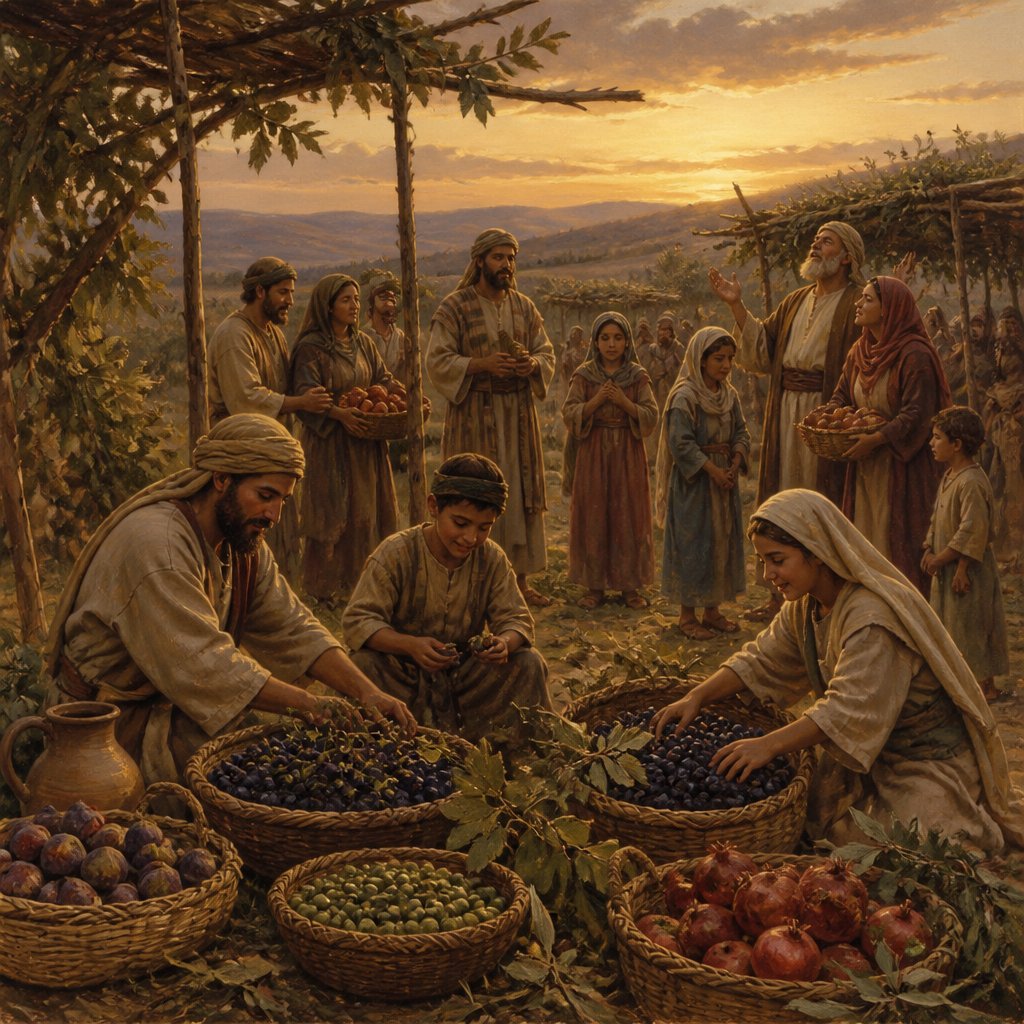
In Leviticus 23:39, we are reminded of the divine appointment marked for the Israelites—the Feast of Tabernacles (Sukkot). The verse reads: "Also in the fifteenth day of the seventh month, when ye have gathered in the fruit of the land, ye shall keep a feast unto the LORD seven days: on the first day shall be a sabbath, and on the eighth day shall be a sabbath." This celebration is not just another festival amidst the Hebrew calendar; it manifests God's intricate design for the rhythms of life: a blend of gratitude, rest, and divine communion.
The context of this feast is vital. It occurs right after the harvest—when the people of Israel have reaped the fruits of their labor and are reminded of God’s provision. It is an opportunity to pause and reflect on the bounty of the earth and the overwhelming goodness of God. Here, we see a clear instruction: after a season of hard work and dedication, the Israelites are called to come together in joyful celebration. This beckons us to consider our own seasons of gathering. How often do we take a moment to celebrate the fruit of our efforts? Do we carve time out from our busy lives to reflect on God’s handiwork in our circumstances?
The Feast of Tabernacles lasts for seven days, and in it, there is an intentional interruption of the mundane. God commands not only to feast but also to observe two sabbaths during this time. The first day is a Sabbath, a holy convocation dedicated entirely to the Lord. Here, the act of feasting transcends mere indulgence—it becomes sacred. Within the framework of biblical feasts, there lies a spiritual dimension. The act of gathering together, of sharing meals, of rejoicing and partaking of God's goodness together is a parallel to the communion we have in Christ. The passion with which we celebrate is a reflection of our gratitude for His providence and grace.
Then, on the eighth day, we pause again. Eighth days often symbolize new beginnings—an opportunity to reflect on the past and look forward to what God has in store. This sacred pause is crucial in the biblical narrative; it offers the Israelites a chance to rest, both physically and spiritually, and to redirect their hearts towards God post-celebration. In our lives today, what does it mean to create a rhythm of festivity and rest? How often do we incorporate moments of rejuvenation and reflection in our busy lives?
A deeper examination of Leviticus 23:39 reveals the inherent connection between rest and worship. In the act of celebration, there lies a promise—God rejuvenates the weary soul. We must not overlook the importance of having a Sabbath rest in our schedules, particularly after seasons of labor. Jesus invites us in Matthew 11:28, "Come unto me, all ye that labour and are heavy laden, and I will give you rest." Just as the Israelites were instructed to feasts and rest, we are encouraged to lay burdens down, to celebrate life’s victories, and ultimately commune with God.
Moreover, the communal aspect of this feast counters the isolating tendencies of modern society. In Leviticus, the feast is not merely individualistic; it is a communal observance. The act of coming together reminds us of our collective identity as the Body of Christ. It invites us to see the value in shared joy and common fellowship. Amid our current cultural shifts towards individualism, where busy schedules often prevent us from gathering, it is essential to foster traditions and habits that encourage community and togetherness.
In summary, Leviticus 23:39 invites us into a rhythm—one of gathering, rejoicing, resting, and reflecting. As we endeavor to practices these patterns in our own lives, we cultivate an atmosphere of gratitude and acknowledgment of God’s faithful provision. Embrace the delightful tension between work and celebration, between activity and rest, and marvel at God’s design—a holistic way of living that breathes peace and invites His presence.
Want to reflect more on Leviticus 23:39?
Continue your spiritual journey with Bible Chat — an AI-powered tool for exploring God's Word through conversation. Ask questions, discover connections, and deepen your understanding.
Get Our Apps


Leviticus 23:39 Artwork
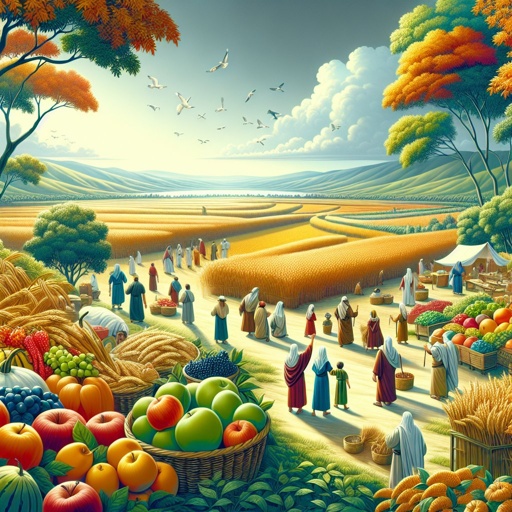
Leviticus 23:39 - "Also in the fifteenth day of the seventh month, when ye have gathered in the fruit of the land, ye shall keep a feast unto the LORD seven days: on the first day shall be a sabbath, and on the eighth day shall be a sabbath."
"Also in the fifteenth day of the seventh month, when ye have gathered in the fruit of the land, ye shall keep a feast unto the LORD seven days: on the first day shall be a sabbath, and on the eighth day shall be a sabbath." - Leviticus 23:39

2 Samuel 23:39 - "Uriah the Hittite: thirty and seven in all."

Leviticus 23:23 - "¶ And the LORD spake unto Moses, saying,"

Job 39:23 - "The quiver rattleth against him, the glittering spear and the shield."

Leviticus 14:39 - "And the priest shall come again the seventh day, and shall look: and, behold, if the plague be spread in the walls of the house;"

Leviticus 23:21

Leviticus 23:21

Leviticus 23:21

Leviticus 23:21

Leviticus 23:21

Leviticus 23:20

Leviticus 23:21

Leviticus 11:39 - "And if any beast, of which ye may eat, die; he that toucheth the carcase thereof shall be unclean until the even."

Leviticus 25:39 - "¶ And if thy brother that dwelleth by thee be waxen poor, and be sold unto thee; thou shalt not compel him to serve as a bondservant:"
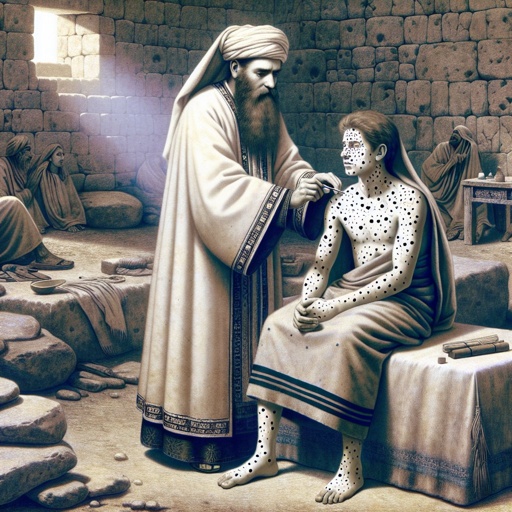
Leviticus 13:39 - "Then the priest shall look: and, behold, if the bright spots in the skin of their flesh be darkish white; it is a freckled spot that groweth in the skin; he is clean."

Leviticus 26:39 - "And they that are left of you shall pine away in their iniquity in your enemies' lands; and also in the iniquities of their fathers shall they pine away with them."

Exodus 39:23 - "And there was an hole in the midst of the robe, as the hole of an habergeon, with a band round about the hole, that it should not rend."

Leviticus 23:15-22

Leviticus 23:17-22

Leviticus 24:20-23

"¶ And the LORD spake unto Moses, saying," - Leviticus 23:23

Leviticus 23:9 - "¶ And the LORD spake unto Moses, saying,"

Leviticus 23:26 - "¶ And the LORD spake unto Moses, saying,"

Leviticus 23:1 - "And the LORD spake unto Moses, saying,"

Leviticus 23:33 - "¶ And the LORD spake unto Moses, saying,"

Luke 23:39 - "¶ And one of the malefactors which were hanged railed on him, saying, If thou be Christ, save thyself and us."
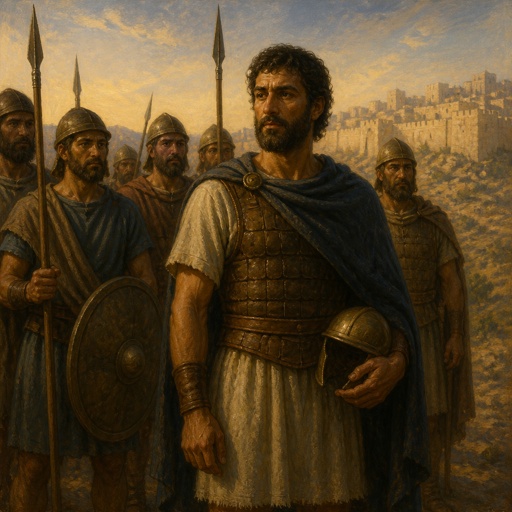
"Uriah the Hittite: thirty and seven in all." - 2 Samuel 23:39

Leviticus 23:5 - "In the fourteenth day of the first month at even is the LORD'S passover."

Leviticus 23:44 - "And Moses declared unto the children of Israel the feasts of the LORD."