The Sacred Rhythm of Holy Convocation
"And ye shall proclaim on the selfsame day, that it may be an holy convocation unto you: ye shall do no servile work therein: it shall be a statute for ever in all your dwellings throughout your generations." - Leviticus 23:21

Leviticus 23:21 declares, "And ye shall proclaim on the selfsame day, that it may be an holy convocation unto you: ye shall do no servile work therein: it shall be a statute for ever in all your dwellings throughout your generations." This verse anchors us in the understanding of the sacred rhythm of life that God sets for His people. It calls us to pause, reflect, and gather, which are essential elements for spiritual renewal and communal worship.
The context of this verse lies within the celebrations and feasts that God commands the Israelites to observe. Leviticus chapter 23 outlines appointed times that are intended for worship and remembrance, emphasizing the importance of community, rest, and reverence before the Lord. Specifically, verse 21 refers to the Feast of Weeks—Shavuot—which celebrates the harvest and the giving of the Law on Mount Sinai. This is a time not just of physical celebration but of spiritual enrichment for the community.
When the passage mentions a "holy convocation," it is signifying an assembly set apart for sacred purposes. Holiness in the context of worship calls us to a higher state of being, to rise above the mundane and place our focus on God. In our busy lives, it is easy to forget the significance of such gatherings. We often trivialize the importance of coming together as a body of believers, opting for individual pursuits over collective worship. Yet, throughout Scripture, we see God continuously calling His people to community.
The instruction to do "no servile work" further highlights the essence of taking intentional time away from the regular duties that can often consume our days. By refraining from work, we acknowledge the need for rest—both physically and spiritually. Just as God rested on the seventh day after creation, we too must find our rhythm of rest, which allows us to reconnect with God, ourselves, and others. In our fast-paced world, observing a day without work is revolutionary. It is an act of trust, a declaration that our worth isn’t in our productivity but in our identity as children of God.
Moreover, the phrase "a statute for ever in all your dwellings throughout your generations" underscores the lasting significance of this command. God establishes a continual reminder across all generations about the need for holy gathering and communal worship. It accentuates God’s desire for His people to remain connected with their heritage and the divine order that He has set for their lives. Just as the Israelites were instructed to make their worship a lifelong practice, we too are called to embed habitual worship within our routines and pass it on to the coming generations.
In practical terms, how can we live out Leviticus 23:21 today? First, we can prioritize Sundays (or whatever day you observe as your sacred day) for worship—setting aside time for church gathering, family devotions, and community service. Secondly, we must actively create a culture of rest and worship in our homes, encouraging one another to step back from the burdens of life and focus on what it means to be in the presence of God together. This also involves turning off distractions and setting aside technology to foster deeper relationships with God and each other.
Finally, it is crucial to remember that these gatherings are not merely about following rules set forth in the past; they are about cultivating hearts that hunger for God, building a faith that thrives in community, and fostering a legacy of worship that echoes through generations. Each holy convocation is an opportunity to deepen our understanding of God’s will for our lives and to encourage one another in our faith journeys. May we embrace this call, resting in the sacred rhythm of worship, and inviting others to join us in proclaiming the goodness of our God.
Want to reflect more on Leviticus 23:21?
Continue your spiritual journey with Bible Chat — an AI-powered tool for exploring God's Word through conversation. Ask questions, discover connections, and deepen your understanding.
Get Our Apps


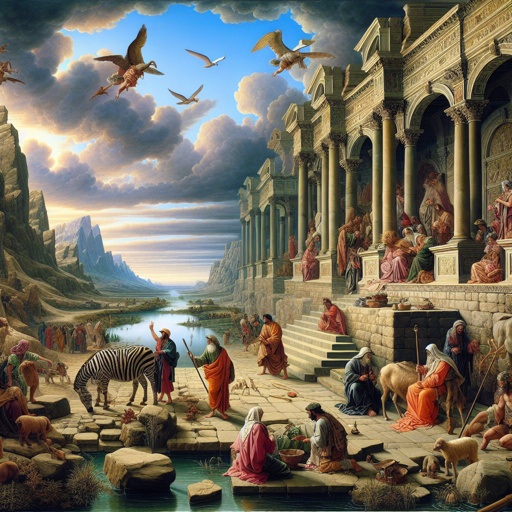
Leviticus 23:21 Artwork

Leviticus 23:21

Leviticus 23:21

Leviticus 23:21

Leviticus 23:21

Leviticus 23:21

Leviticus 23:21

Leviticus 23:21 - "And ye shall proclaim on the selfsame day, that it may be an holy convocation unto you: ye shall do no servile work therein: it shall be a statute for ever in all your dwellings throughout your generations."

"And ye shall proclaim on the selfsame day, that it may be an holy convocation unto you: ye shall do no servile work therein: it shall be a statute for ever in all your dwellings throughout your generations." - Leviticus 23:21

Leviticus 21:23 - "Only he shall not go in unto the vail, nor come nigh unto the altar, because he hath a blemish; that he profane not my sanctuaries: for I the LORD do sanctify them."

Leviticus 23:23 - "¶ And the LORD spake unto Moses, saying,"

Leviticus 23:20

Leviticus 23:15-22

Leviticus 23:17-22

Leviticus 24:20-23

Leviticus 21:19 - "Or a man that is brokenfooted, or brokenhanded,"

"¶ And the LORD spake unto Moses, saying," - Leviticus 23:23

Leviticus 23:9 - "¶ And the LORD spake unto Moses, saying,"

Leviticus 23:26 - "¶ And the LORD spake unto Moses, saying,"

Leviticus 23:1 - "And the LORD spake unto Moses, saying,"

Leviticus 23:33 - "¶ And the LORD spake unto Moses, saying,"

Leviticus 21:16 - "¶ And the LORD spake unto Moses, saying,"

Leviticus 23:5 - "In the fourteenth day of the first month at even is the LORD'S passover."

Leviticus 23:44 - "And Moses declared unto the children of Israel the feasts of the LORD."

Leviticus 21:13 - "And he shall take a wife in her virginity."

Leviticus 26:23 - "And if ye will not be reformed by me by these things, but will walk contrary unto me;"

the jewish holidays mentioned in leviticus 23:1 until 23:40 combined in one picture,

"Or a man that is brokenfooted, or brokenhanded," - Leviticus 21:19

Leviticus 6:23 - "For every meat offering for the priest shall be wholly burnt: it shall not be eaten."
Genesis 21-23

Leviticus 23:4 - "¶ These are the feasts of the LORD, even holy convocations, which ye shall proclaim in their seasons."