The Significance of the Sheaf Offering: A Heart in Sacrifice
"And ye shall offer that day when ye wave the sheaf an he lamb without blemish of the first year for a burnt offering unto the LORD." - Leviticus 23:12
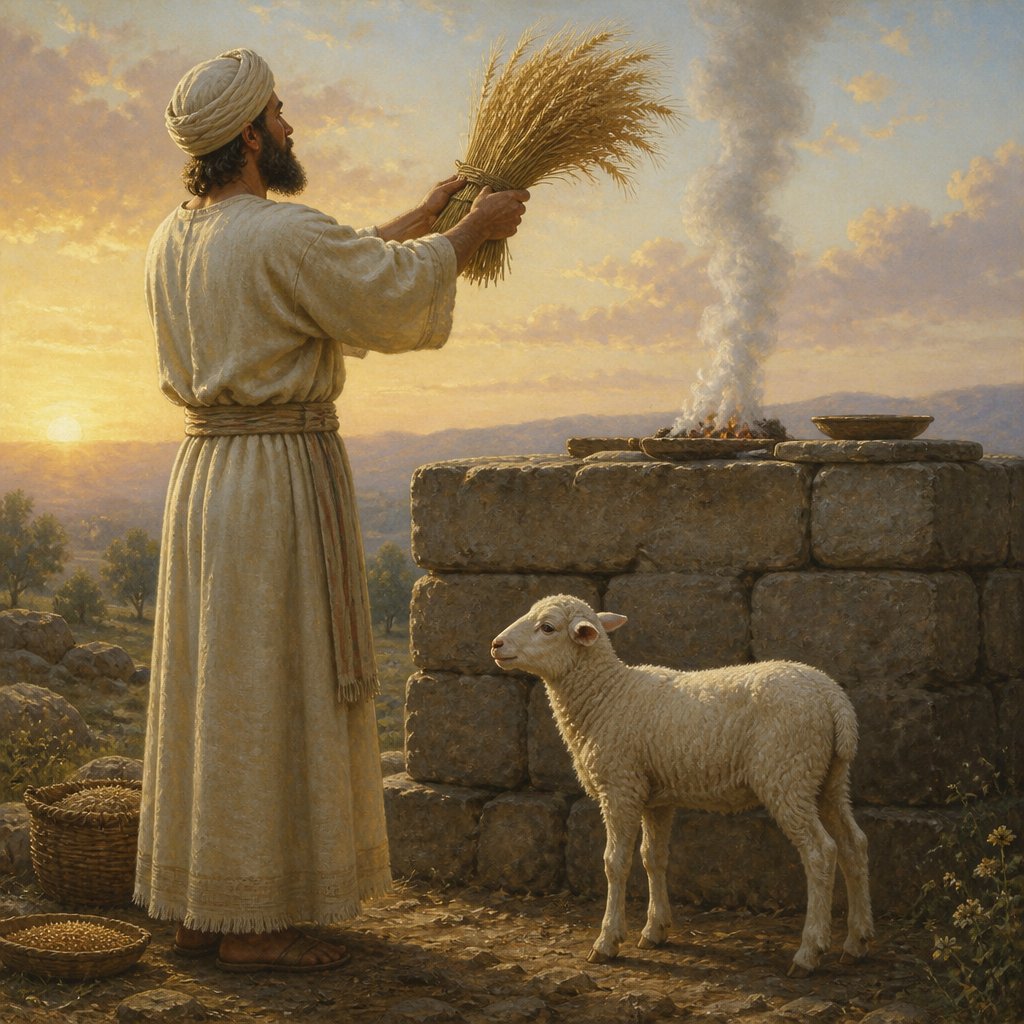
In Leviticus 23:12, we encounter a profound moment in the life of the Israelites as they celebrate the Festival of Firstfruits: "And ye shall offer that day when ye wave the sheaf an he lamb without blemish of the first year for a burnt offering unto the LORD" (KJV). This verse holds deep theological implications and practical lessons for us today, as it reflects not just a command for ritualistic observance but a heart that is willing to offer sacrifices to God.
The significance of the sheaf offering lies in its representation of gratitude and acknowledgment of God’s provision. When the Israelites bring the first fruits of their harvest, they are acknowledging that every good gift comes from above (James 1:17). In an agrarian society, the harvest season was a time of celebration, but it required an act of faith to bring the first sheaf before the Lord. By offering the first fruits, the Israelites were expressing their trust that God would provide for the remainder of the harvest. In our own lives, are we recognizing and offering the best of what we have to God? Do we wait until we feel secure before we turn back to God with our gratitude?
The sheaf represents the first and best of the harvest, which parallels the concept of giving our best to God. This command is not only about the act itself but also about the heart behind the sacrifice. The instruction to offer an unblemished lamb speaks to the requirement for holiness and purity—God’s desire for a perfect sacrifice. Christ, the Lamb of God, was without blemish and His ultimate sacrifice on the cross brings a new understanding of how God values our hearts. As we reflect upon our lives, are we bringing to God our finest creations and intentions, or are we offering leftovers and what is convenient?
Waving the sheaf before the Lord is an act of submission and recognition that everything we have belongs to Him. It symbolizes the beginning of a process, a dedication of the entire harvest to God. Similarly, in our lives, each day presents us with new opportunities to yield our plans, dreams, and efforts to God. When we give Him our first, whether it's time in prayer, engaging with scripture, or committing the start of our day to Him, we are aligning our priorities with His.
Moreover, the sheaf offering also anticipates the larger story of redemption. Just as the Israelites waved the sheaf as a promise of the harvest to come, so too do we look forward to the promises of God embedded in the resurrection and the eternal fruitfulness that comes through Christ. The sheaf acted as a promise of provision in the physical realm while Christ’s resurrection is a promise that extends into eternal life. Therefore, we not only look back to how God has provided but also forward in hope for what He will accomplish in our lives and in His Kingdom.
In an age when instant gratification often distracts us from the faithfulness and timing of God, the sheaf offering invites us back to a rhythm of thankfulness and trust. Let us cultivate a heart posture that waves the sheaf with joy, surrendering all that we have and are to God’s commandments and ultimately, His will. As we offer ourselves daily as sacrifices to God (Romans 12:1), may we bear fruit that honors Him—fruit that is seasoned with grace and abundant in love.
As we meditate on Leviticus 23:12, let’s commit to offering our lives and resources to God with a spirit of celebration, recognizing Him as the source of all blessings. May our offering be pleasing to Him, and may we continually seek to grow in appreciation of His provisions, both physical and spiritual, trusting in His faithfulness as we respond with hearts ready to serve Him.
Want to reflect more on Leviticus 23:12?
Continue your spiritual journey with Bible Chat — an AI-powered tool for exploring God's Word through conversation. Ask questions, discover connections, and deepen your understanding.
Get Our Apps


Leviticus 23:12 Artwork

Leviticus 23:12 - "And ye shall offer that day when ye wave the sheaf an he lamb without blemish of the first year for a burnt offering unto the LORD."
"And ye shall offer that day when ye wave the sheaf an he lamb without blemish of the first year for a burnt offering unto the LORD." - Leviticus 23:12

Genesis 1:2 3

Leviticus 23:23 - "¶ And the LORD spake unto Moses, saying,"

Leviticus 23:21

Leviticus 23:21

Leviticus 23:21

Leviticus 23:21

Leviticus 23:21

Leviticus 23:20

Leviticus 23:21

Leviticus 23:15-22

Leviticus 23:17-22

Leviticus 24:20-23

"¶ And the LORD spake unto Moses, saying," - Leviticus 23:23
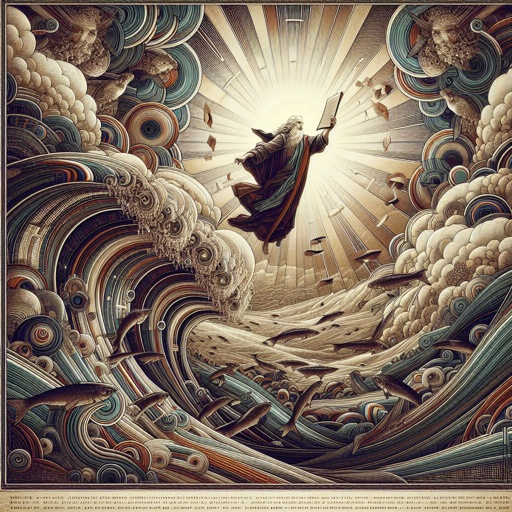
Leviticus 23:9 - "¶ And the LORD spake unto Moses, saying,"

Leviticus 23:1 - "And the LORD spake unto Moses, saying,"

Leviticus 23:26 - "¶ And the LORD spake unto Moses, saying,"

Leviticus 23:33 - "¶ And the LORD spake unto Moses, saying,"

Leviticus 23:5 - "In the fourteenth day of the first month at even is the LORD'S passover."

Leviticus 23:44 - "And Moses declared unto the children of Israel the feasts of the LORD."

Leviticus 26:23 - "And if ye will not be reformed by me by these things, but will walk contrary unto me;"
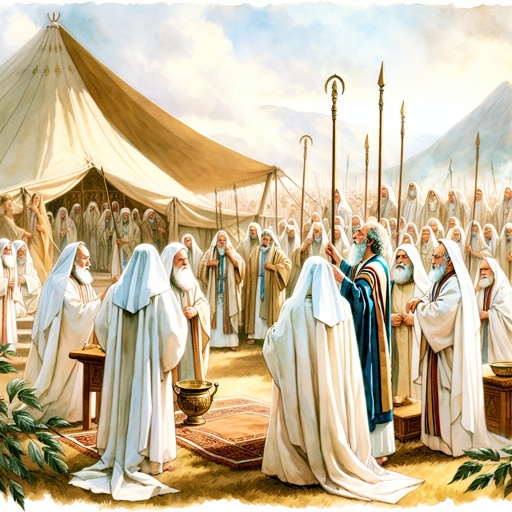
Leviticus 8:1-12

the jewish holidays mentioned in leviticus 23:1 until 23:40 combined in one picture,

Leviticus 6:23 - "For every meat offering for the priest shall be wholly burnt: it shall not be eaten."

Leviticus 23:4 - "¶ These are the feasts of the LORD, even holy convocations, which ye shall proclaim in their seasons."

Leviticus 25:23 - "¶ The land shall not be sold for ever: for the land is mine; for ye are strangers and sojourners with me."

Leviticus 12:1 - "And the LORD spake unto Moses, saying,"

Leviticus 23:35 - "On the first day shall be an holy convocation: ye shall do no servile work therein."

the jewish holidays mentioned in leviticus 23:1 until 23:40 combined in one picture, with hebrew names in hebrew charactes