Guarding the Sacred: A Call to Reverence
"And they shall not profane the holy things of the children of Israel, which they offer unto the LORD;" - Leviticus 22:15

The essence of Leviticus 22:15, "And they shall not profane the holy things of the children of Israel, which they offer unto the LORD," serves as a profound reminder of our call to honor and protect the sacred. In a world that often trivializes what is holy, this passage invites us to reflect deeply on our relationship with God and the offerings we bring before Him.
In the context of Leviticus, this directive was given to the priests of Israel, who had the serious responsibility of managing the offerings made by the people. The term “profane” indicates actions that strip away the sanctity of those offerings. To profane something holy is to treat it with irreverence or to allow it to be treated as common. It is a concept that echoes throughout the scriptures, challenging us to evaluate our attitudes toward what is set apart for God.
This raising of standards seems almost foreign in today’s age where casualness pervades spirituality. Yet, God’s command is not merely for the priests; it serves as a vital reminder for all believers. The holiness of our offerings, be they prayers, worship, or deeds done in His name, needs to be safeguarded with care and reverence.
To not profane the holy things means to approach our relationship with God with a sense of awe. This is more than a mere outward show of respect; it is a heart posture that deeply understands the significance of sacred moments. It beckons us to examine: How do we treat our times in prayer? Do we come before Him with distractions of the world still clinging to our minds, or do we set aside those thoughts to engage fully with the Divine? How do we approach the reading of Scripture? Is it with the eager expectation of encountering God, or merely as a routine task to check off our lists?
The offerings referred to in the verse extend beyond material gifts. They encompass every aspect of a believer’s life. Our love, devotion, time, and even our resources are meant to be presented as offerings unto the Lord. When we gather in worship or service, do we do so with pure intentions, or do we allow the mundane to seep into our sacred acts? The holiness of our offerings is not defined by their size but by the love and sincerity behind them.
In this same light, when we consider our communal worship experiences, how do we honor those moments? We should strive to foster an environment that is respectful and nurturing of God’s presence. This means prioritizing love and unity among believers, ensuring that our actions toward one another reflect the weightiness of our shared faith. The act of gathering—as imperfect as we are—should embody the holiness of our calling. Acts of disrespect or divisiveness can tarnish the beauty of what it means to offer ourselves together to God.
Moreover, we must not forget that we are copies of Christ, the ultimate offering made unto the Lord. As Paul echoes in Romans 12:1, we are called to present our bodies as living sacrifices, holy and acceptable unto God. In doing so, we learn from Christ's example—the ultimate priest who brought pure offerings that pleased the Lord. As we become increasingly aware of our identity in Christ, we gain a clearer vision of what it means to offer ourselves fully, without profaning the sacredness of that commitment.
As we meditate on Leviticus 22:15, let us commit to guarding the sacred. May we approach our offerings to the Lord with the utmost respect and honor, enveloping our acts of worship with sincerity and love. Let us ensure that our lives give glory to God, not just in our words, but also in our actions, thoughts, and heart intentions. Let this be a reminder that in all things—large and small—there is a divine call to reverence the Holy, to preserve the sacred, and to live in a way that reflects the beauty of our faith.
Want to reflect more on Leviticus 22:15?
Continue your spiritual journey with Bible Chat — an AI-powered tool for exploring God's Word through conversation. Ask questions, discover connections, and deepen your understanding.
Get Our Apps


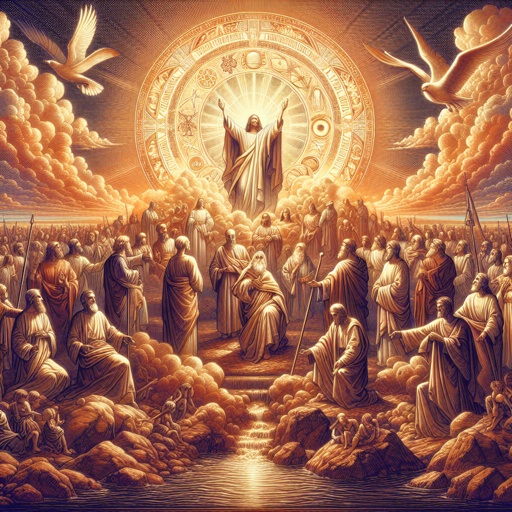
Leviticus 22:15 Artwork

Leviticus 22:15 - "And they shall not profane the holy things of the children of Israel, which they offer unto the LORD;"

"And they shall not profane the holy things of the children of Israel, which they offer unto the LORD;" - Leviticus 22:15

Leviticus 23:15-22

Leviticus 15:22 - "And whosoever toucheth any thing that she sat upon shall wash his clothes, and bathe himself in water, and be unclean until the even."
Leviticus 11:22

Leviticus 23:17-22

Leviticus 22:17 - "¶ And the LORD spake unto Moses, saying,"

Leviticus 7:22 - "¶ And the LORD spake unto Moses, saying,"

Leviticus 22:1 - "And the LORD spake unto Moses, saying,"

Leviticus 22:26 - "¶ And the LORD spake unto Moses, saying,"

Leviticus 18:22 - "Thou shalt not lie with mankind, as with womankind: it is abomination."

Leviticus 11:15 - "Every raven after his kind;"

"And whosoever toucheth any thing that she sat upon shall wash his clothes, and bathe himself in water, and be unclean until the even." - Leviticus 15:22

Leviticus 20:22-26 simple picture

Picture to summarize Leviticus 20:22-26

Leviticus 15:1 - "And the LORD spake unto Moses and to Aaron, saying,"

Leviticus 22:20 - "But whatsoever hath a blemish, that shall ye not offer: for it shall not be acceptable for you."

Leviticus 13:22 - "And if it spread much abroad in the skin, then the priest shall pronounce him unclean: it is a plague."

Leviticus 21:22 - "He shall eat the bread of his God, both of the most holy, and of the holy."

Leviticus 22:33 - "That brought you out of the land of Egypt, to be your God: I am the LORD."

Leviticus 22:29 - "And when ye will offer a sacrifice of thanksgiving unto the LORD, offer it at your own will."

Leviticus 22:22 - "Blind, or broken, or maimed, or having a wen, or scurvy, or scabbed, ye shall not offer these unto the LORD, nor make an offering by fire of them upon the altar unto the LORD."

Leviticus 22:19 - "Ye shall offer at your own will a male without blemish, of the beeves, of the sheep, or of the goats."

Leviticus 22:31 - "Therefore shall ye keep my commandments, and do them: I am the LORD."

Leviticus 22:28 - "And whether it be cow or ewe, ye shall not kill it and her young both in one day."

Genesis 22:15

Exodus 15:22

Leviticus 15:15 - "And the priest shall offer them, the one for a sin offering, and the other for a burnt offering; and the priest shall make an atonement for him before the LORD for his issue."

"¶ And the LORD spake unto Moses, saying," - Leviticus 7:22

Leviticus 22:12 - "If the priest's daughter also be married unto a stranger, she may not eat of an offering of the holy things."