The Sacred Responsibility of the Priesthood
"But if the priest buy any soul with his money, he shall eat of it, and he that is born in his house: they shall eat of his meat." - Leviticus 22:11
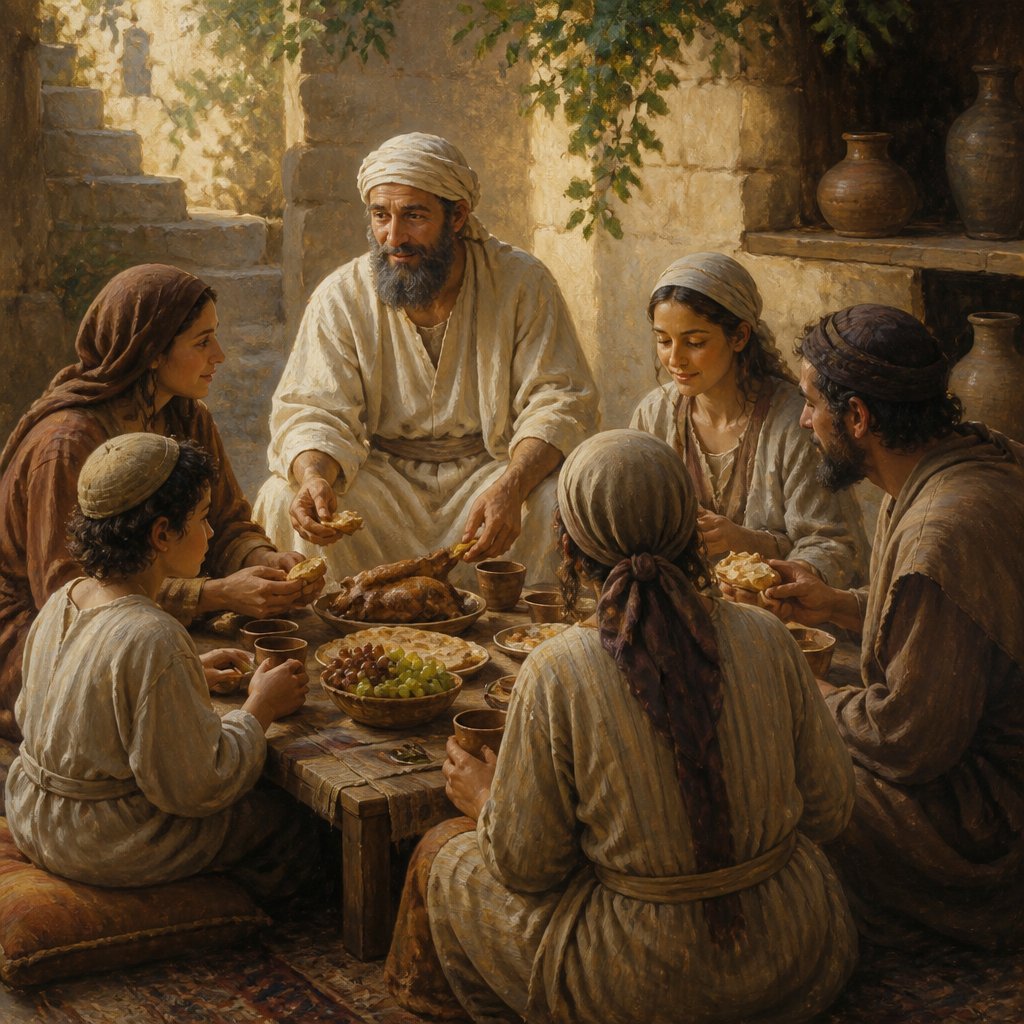
In Leviticus 22:11, we read, "But if the priest buy any soul with his money, he shall eat of it, and he that is born in his house: they shall eat of his meat." This verse, nestled within the instructions given to the Israelites about the conduct and responsibilities of the priesthood, unveils deeper truths about the sacred duty entrusted to those appointed by God.
The passage raises profound implications about the nature of ownership and community, reflecting God's design for relationships among His people. When we delve into this scripture, we find layers of meaning that can inspire us as we consider our own roles within our communities and churches. The priest, as the spiritual leader, was tasked not only with mediating between God and man, but also with stewarding the lives that were entrusted to him.
In ancient Israel, the priest had the unique privilege of purchasing souls, which essentially included slaves or servants. This practice may seem foreign or even harsh to our modern sensibilities, but it is crucial to understand its context. It wasn't merely about ownership or commerce; it was about communal care and responsibility. When a priest bought a soul, he was assuming a weighty obligation—not just to ensure their physical sustenance but also to nurture their spiritual wellbeing. The priest was expected to integrate these individuals into the life of his household, providing for them not just materially but also as part of the spiritual family of Israel, teaching and nurturing them in the ways of the Lord.
In this context, the meat that was consumed is symbolic of fellowship and community. Just as the priest ate of the meat produced by those he had purchased, we are reminded today of the importance of sharing life together as believers. It indicates a relationship fortified by mutual respect and responsibility—a beautiful picture of family within the household of faith. When we consider our own lives, who are the souls that God has placed around us? How do we embody the priestly responsibilities of nurturing and caring for them?
The verb "buy" implies that our relationships are intentional. The priest was to actively take steps to ensure he could partake in the sustenance of those within his household. Similarly, we are called to actively invest in the lives of others around us—family, friends, and church members. We should seek opportunities to nurture these relationships, share meals together, and engage in conversations that stimulate spiritual growth. There is something deeply sacred in sharing a meal, which reflects Christ’s fellowship with His disciples.
Moreover, Lev 22:11 leads us to reflect on the concept of "eating of its meat" not just physically but spiritually as well. Jesus Christ, our high priest, invites us to partake in His sacrificial love. In John 6:51, He states, "I am the living bread that came down from heaven: if any man eat of this bread, he shall live forever: and the bread that I will give is my flesh, which I will give for the life of the world." Just as the priest consumed the meat of the souls in his care, we are called to partake of Christ, to engage daily with His Word, to nourish our spirits with His truth, love, and grace.
As we meditate on Leviticus 22:11, let us remember our dual calling: first, as priests within our communities—nurturers and caretakers of the souls around us—and second, as beneficiaries of the great sacrifice of Christ, whose body we partake of spiritually. Let this verse inspire us to fulfill our roles diligently, to reach out lovingly, and to embrace the shared life we are called to in the family of God. May we, like the priest, actively engage in enriching the lives of those around us—lead by example, share freely, and partake together in the bountiful grace that God has made available to us.
Want to reflect more on Leviticus 22:11?
Continue your spiritual journey with Bible Chat — an AI-powered tool for exploring God's Word through conversation. Ask questions, discover connections, and deepen your understanding.
Get Our Apps


Leviticus 22:11 Artwork

Leviticus 22:11 - "But if the priest buy any soul with his money, he shall eat of it, and he that is born in his house: they shall eat of his meat."
"But if the priest buy any soul with his money, he shall eat of it, and he that is born in his house: they shall eat of his meat." - Leviticus 22:11
Leviticus 11:22

Leviticus 11:22 - "Even these of them ye may eat; the locust after his kind, and the bald locust after his kind, and the beetle after his kind, and the grasshopper after his kind."

Leviticus 23:15-22

Leviticus 23:17-22

Leviticus 22:17 - "¶ And the LORD spake unto Moses, saying,"

Leviticus 7:22 - "¶ And the LORD spake unto Moses, saying,"

Leviticus 22:1 - "And the LORD spake unto Moses, saying,"

Leviticus 22:26 - "¶ And the LORD spake unto Moses, saying,"

Leviticus 18:22 - "Thou shalt not lie with mankind, as with womankind: it is abomination."

Leviticus 20:22-26 simple picture

Picture to summarize Leviticus 20:22-26
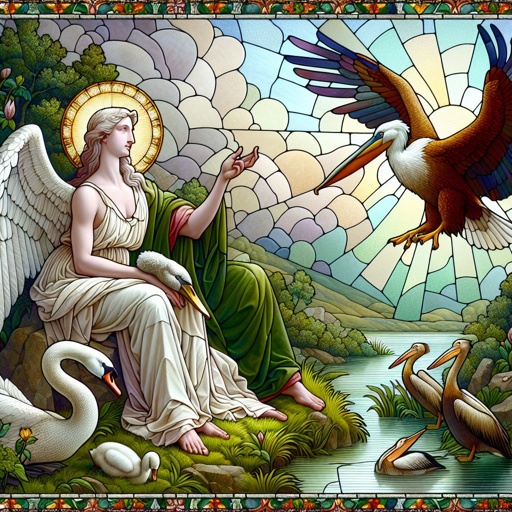
Leviticus 11:18 - "And the swan, and the pelican, and the gier eagle,"

Leviticus 11:17 - "And the little owl, and the cormorant, and the great owl,"

Leviticus 11:14 - "And the vulture, and the kite after his kind;"

Leviticus 11:15 - "Every raven after his kind;"

James 2:2-4

Leviticus 22:20 - "But whatsoever hath a blemish, that shall ye not offer: for it shall not be acceptable for you."

Leviticus 11:30 - "And the ferret, and the chameleon, and the lizard, and the snail, and the mole."

Leviticus 13:22 - "And if it spread much abroad in the skin, then the priest shall pronounce him unclean: it is a plague."

Leviticus 21:22 - "He shall eat the bread of his God, both of the most holy, and of the holy."

Leviticus 22:33 - "That brought you out of the land of Egypt, to be your God: I am the LORD."

Leviticus 22:29 - "And when ye will offer a sacrifice of thanksgiving unto the LORD, offer it at your own will."

Leviticus 22:15 - "And they shall not profane the holy things of the children of Israel, which they offer unto the LORD;"

Leviticus 22:22 - "Blind, or broken, or maimed, or having a wen, or scurvy, or scabbed, ye shall not offer these unto the LORD, nor make an offering by fire of them upon the altar unto the LORD."

Leviticus 22:19 - "Ye shall offer at your own will a male without blemish, of the beeves, of the sheep, or of the goats."

Leviticus 11:19 - "And the stork, the heron after her kind, and the lapwing, and the bat."

Leviticus 22:31 - "Therefore shall ye keep my commandments, and do them: I am the LORD."

Leviticus 22:28 - "And whether it be cow or ewe, ye shall not kill it and her young both in one day."