Heeding the Holy Call: Embracing God's Voice in Our Lives
"And the LORD spake unto Moses, saying," - Leviticus 22:1

In the book of Leviticus, we find a profound and pivotal moment that begins with a simple yet powerful phrase: "And the LORD spake unto Moses, saying…" (Leviticus 22:1 KJV). This verse sets the stage for a divine communication, a sacred dialogue that underscores the significance of God’s voice in the lives of His people. As we delve into the implications of this verse, let us explore the nature of God's communication, the responsibilities it entails for us, and how we can better attune ourselves to His voice in our everyday existence.
**Understanding God’s Voice**
God’s voice is a recurring theme in Scripture, representing His instruction, guidance, and revelation to humanity. With each word spoken to Moses, God was not merely conveying rules and regulations; He was forging a relationship, establishing the covenant between Himself and the Israelites. This direct communication reflects the intimacy of God’s desire to lead His people, to protect them, and to set them apart for His divine purpose. This aspect of divine discourse raises an essential question for us: Are we attentive to the various ways God speaks into our lives today?
Often, we may envision God speaking in thunderous voices or radiant visions, akin to what Moses experienced atop Mount Sinai. Yet, God’s voice can also whisper through the stillness of our hearts, through Scripture, through fellow believers, or even through circumstances that unfold in our lives. Every moment of divine intervention beckons us to listen and respond. In this noisy world, how do we cultivate a heart that is tuned to hear His gentle calling?
**The Weight of Responsibility**
With the revelation that God speaks comes a weighty responsibility. Each time God addressed Moses, it was accompanied by commands and standards meant to guide the behavior and practices of the Israelites. Leviticus teaches us that our response is critical; how we live out God’s commandments reflects our understanding and acceptance of His grace. When we hear God’s words, we are accountable not only to receive them but to embody them in our actions.
For instance, God instructed the people to approach the offerings and sacrifices with cleanliness and purity, symbolizing the importance of holiness in worship (Leviticus 22:2). This call to holiness is equally relevant today. We are called to live lives that honor God, representing His love and righteousness in a chaotic world. But how can we do this effectively?
**Developing a Listening Heart**
The first step in obeying God’s voice is to cultivate a listening heart. Prayer serves as the cornerstone of this endeavor, allowing us to both speak to God and listen for His response. We must dedicate time to immerse ourselves in Scriptures because the Bible is a primary means through which God communicates with us. Engaging in the Word nourishes our souls and aligns our hearts with God’s desires, preparing us to hear Him in our daily endeavors.
Moreover, we must be open to the voices of fellow believers, as God often uses community and fellowship to convey His messages. Attending church services, participating in Bible studies, and even engaging in casual conversations with friends can yield profound insights that may be the very words we need to hear. Each dialogue can serve as a reflection of God’s voice, emphasizing our shared journey in faith.
**Responding in Faith**
As we immerse ourselves in God's Word and community, let us remember that hearing is only the beginning. The true mark of a believer is not merely in listening but in responding. Like Moses, we must approach the throne of grace with a willingness to act upon what we hear. Our actions in response to God’s voice can have far-reaching consequences, influencing not just our lives but the lives of those around us.
So, let us be diligent to hear what the Lord is saying: "And the LORD spake unto Moses, saying…" May we approach each day with an eagerness to listen for God’s voice and the courage to embody His words with love and integrity. In doing so, we honor the sacred dialogue that exists between our Creator and ourselves, transforming our lives into a beautiful tapestry of obedience and grace.
Want to reflect more on Leviticus 22:1?
Continue your spiritual journey with Bible Chat — an AI-powered tool for exploring God's Word through conversation. Ask questions, discover connections, and deepen your understanding.
Get Our Apps


Leviticus 22:1 Artwork

Leviticus 22:1 - "And the LORD spake unto Moses, saying,"

"And the LORD spake unto Moses, saying," - Leviticus 22:1

Leviticus 23:15-22

Leviticus 23:17-22
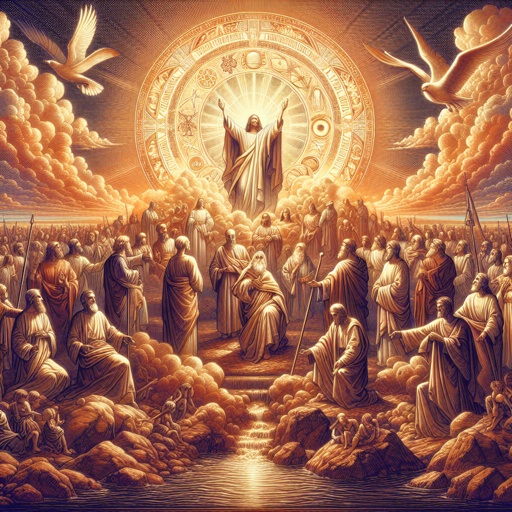
Leviticus 11:22

Leviticus 22:17 - "¶ And the LORD spake unto Moses, saying,"

Leviticus 7:22 - "¶ And the LORD spake unto Moses, saying,"

Leviticus 22:26 - "¶ And the LORD spake unto Moses, saying,"

Leviticus 18:22 - "Thou shalt not lie with mankind, as with womankind: it is abomination."

Leviticus 20:22-26 simple picture

Picture to summarize Leviticus 20:22-26

Leviticus 22:20 - "But whatsoever hath a blemish, that shall ye not offer: for it shall not be acceptable for you."

Leviticus 13:22 - "And if it spread much abroad in the skin, then the priest shall pronounce him unclean: it is a plague."

Leviticus 21:22 - "He shall eat the bread of his God, both of the most holy, and of the holy."

Leviticus 22:33 - "That brought you out of the land of Egypt, to be your God: I am the LORD."

Leviticus 22:29 - "And when ye will offer a sacrifice of thanksgiving unto the LORD, offer it at your own will."

Leviticus 22:15 - "And they shall not profane the holy things of the children of Israel, which they offer unto the LORD;"

Leviticus 22:22 - "Blind, or broken, or maimed, or having a wen, or scurvy, or scabbed, ye shall not offer these unto the LORD, nor make an offering by fire of them upon the altar unto the LORD."

Leviticus 22:19 - "Ye shall offer at your own will a male without blemish, of the beeves, of the sheep, or of the goats."

Leviticus 22:31 - "Therefore shall ye keep my commandments, and do them: I am the LORD."

Leviticus 22:28 - "And whether it be cow or ewe, ye shall not kill it and her young both in one day."

"¶ And the LORD spake unto Moses, saying," - Leviticus 7:22

Leviticus 22:12 - "If the priest's daughter also be married unto a stranger, she may not eat of an offering of the holy things."

"¶ And the LORD spake unto Moses, saying," - Leviticus 22:17
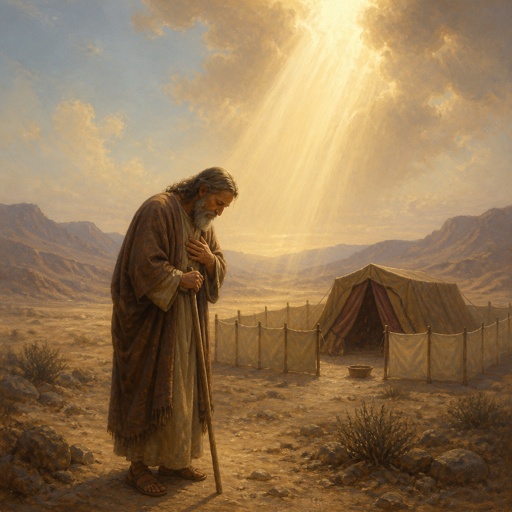
"¶ And the LORD spake unto Moses, saying," - Leviticus 22:26

Leviticus 22:10 - "There shall no stranger eat of the holy thing: a sojourner of the priest, or an hired servant, shall not eat of the holy thing."

Leviticus 27:22 - "And if a man sanctify unto the LORD a field which he hath bought, which is not of the fields of his possession;"

Leviticus 22:16 - "Or suffer them to bear the iniquity of trespass, when they eat their holy things: for I the LORD do sanctify them."

Leviticus 8:22 - "¶ And he brought the other ram, the ram of consecration: and Aaron and his sons laid their hands upon the head of the ram."

Leviticus 22:30 - "On the same day it shall be eaten up; ye shall leave none of it until the morrow: I am the LORD."