The Call to Holiness: Understanding Our Worthiness Before God
"No man that hath a blemish of the seed of Aaron the priest shall come nigh to offer the offerings of the LORD made by fire: he hath a blemish; he shall not come nigh to offer the bread of his God." - Leviticus 21:21
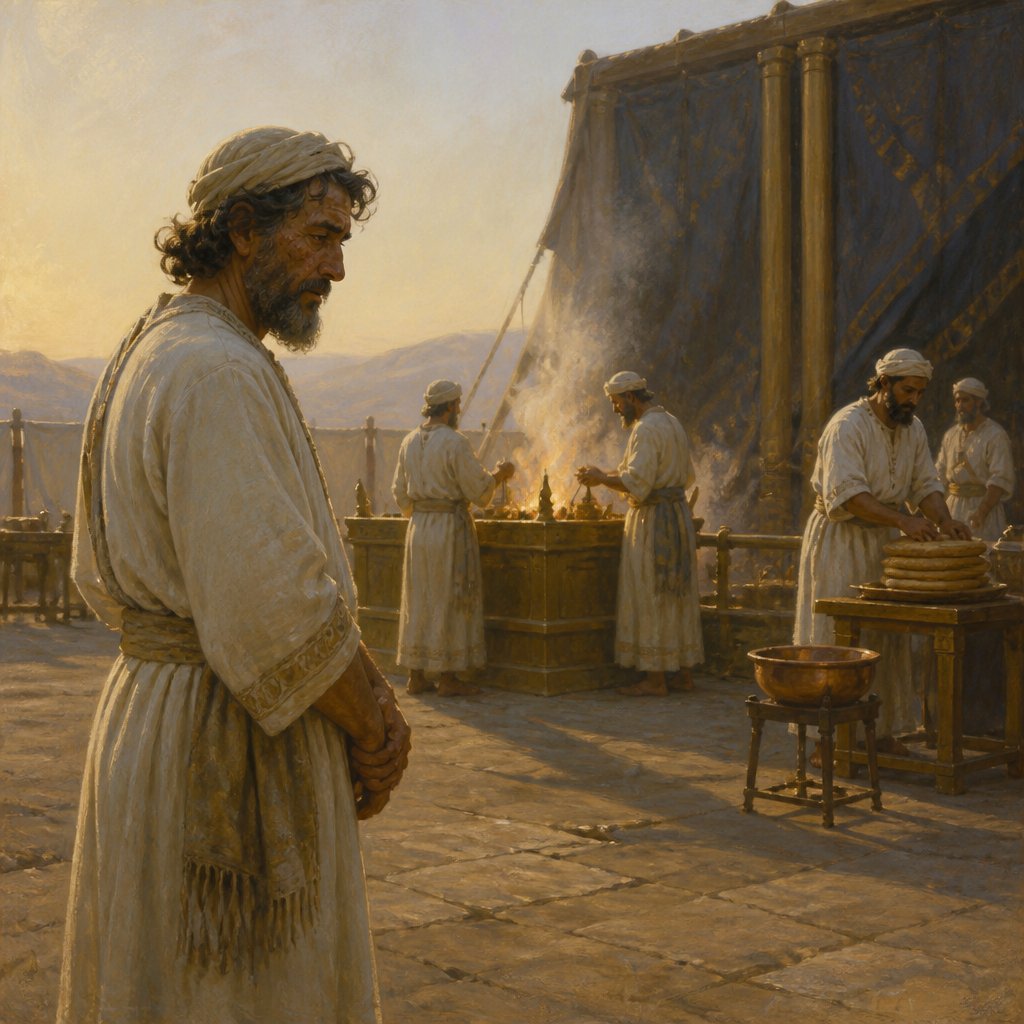
In Leviticus 21:21, we read, "No man that hath a blemish of the seed of Aaron the priest shall come nigh to offer the offerings of the LORD made by fire: he hath a blemish; he shall not come nigh to offer the bread of his God." This passage brings to light not only the standards set for the priests of Israel but also deeper principles concerning holiness, worthiness, and the nature of our relationship with God.
The priesthood in Old Testament times was established by God for the purpose of mediating between Him and His people. The priests bore the responsibility of offering sacrifices, which symbolized atonement, worship, and communion with God. However, this sacred duty was reserved for those who were unblemished, signifying the purity and holiness required in approaching a holy God. In the context of the Jewish faith, a blemish could be physical, such as a broken limb or a defect in sight, but it also extends metaphorically to spiritual blemishes—sins, imperfections, and any form of disqualification from service in the Lord’s presence.
To fully appreciate the weight of this verse, we must understand that God desires purity not only in the offerings presented but also in the heart of the one who offers. The standards set forth were not merely about external appearance; they encapsulated a broader divine principle of holiness. God, being holy, calls His people to reflect His holiness in their lives. 1 Peter 1:15-16 reinforces this call: "But as he which hath called you is holy, so be ye holy in all manner of conversation; Because it is written, Be ye holy; for I am holy."
In our New Covenant context, we may find ourselves questioning, "What does this mean for us today?" As New Testament believers, we understand that Jesus Christ, the ultimate High Priest, has made a way for us to approach God despite our blemishes. Hebrews 4:14-16 reminds us that we have a High Priest who is sympathetic to our weaknesses, who was tempted in every way yet without sin. Therefore, we can confidently draw near to the throne of grace, seeking mercy and help in our time of need.
The message of Leviticus 21:21 is therefore twofold. On one hand, it calls us to be mindful of our own walk with God. It challenges us to examine our lives, to bring our imperfections before Him, and to seek His cleansing power through repentance. On the other hand, it assures us that through Christ, we are offered grace and redemption. We are reminded that our worthiness does not come from our own righteousness, but from the righteousness of Christ that covers us.
As we reflect on our relationship with God, let us consider how we approach Him in our daily lives. Are there blemishes—sinful habits, unresolved conflicts, areas of disobedience—that we have conveniently overlooked? God does not seek perfection, for in humanity's fallen state, total perfection is unattainable. Rather, He seeks a genuine heart that desires to pursue holiness, that actively seeks to reflect His character and truth in our actions.
In light of this passage, let us take to heart the importance of cleansing our lives and hearts. We must earnestly desire to be people who embody what it means to live set apart for God. May we continually come before Him with open hearts, allowing His Spirit to work within us, purifying our intentions and actions.
As we strive to live according to His Word, let us also extend grace to one another, recognizing our collective journey towards holiness. We are all on a path of growth and transformation. In the end, let each approach to God be characterized by humility, recognizing that He is both the standard and the source of our worthiness.
Want to reflect more on Leviticus 21:21?
Continue your spiritual journey with Bible Chat — an AI-powered tool for exploring God's Word through conversation. Ask questions, discover connections, and deepen your understanding.
Get Our Apps


Leviticus 21:21 Artwork

Leviticus 21:21 - "No man that hath a blemish of the seed of Aaron the priest shall come nigh to offer the offerings of the LORD made by fire: he hath a blemish; he shall not come nigh to offer the bread of his God."
"No man that hath a blemish of the seed of Aaron the priest shall come nigh to offer the offerings of the LORD made by fire: he hath a blemish; he shall not come nigh to offer the bread of his God." - Leviticus 21:21

Leviticus 23:21

Leviticus 23:21

Leviticus 23:21

Leviticus 23:21

Leviticus 23:21

Leviticus 23:21

Leviticus 21:19 - "Or a man that is brokenfooted, or brokenhanded,"

Leviticus 21:16 - "¶ And the LORD spake unto Moses, saying,"

Leviticus 21:13 - "And he shall take a wife in her virginity."

"Or a man that is brokenfooted, or brokenhanded," - Leviticus 21:19

Leviticus 21:22 - "He shall eat the bread of his God, both of the most holy, and of the holy."

Leviticus 21:24 - "And Moses told it unto Aaron, and to his sons, and unto all the children of Israel."

Leviticus 9:21 - "And the breasts and the right shoulder Aaron waved for a wave offering before the LORD; as Moses commanded."
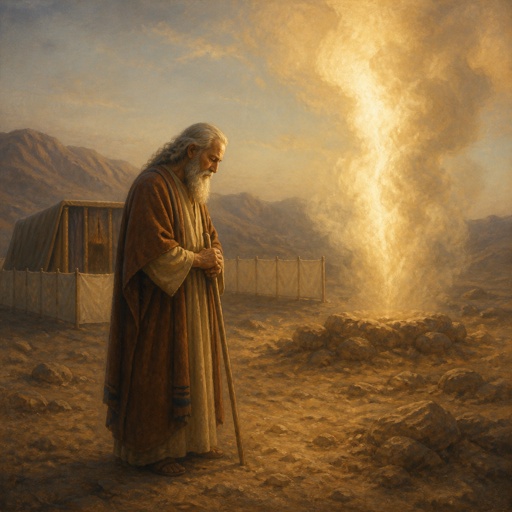
"¶ And the LORD spake unto Moses, saying," - Leviticus 21:16

Leviticus 21:4 - "But he shall not defile himself, being a chief man among his people, to profane himself."

Leviticus 21:20 - "Or crookbackt, or a dwarf, or that hath a blemish in his eye, or be scurvy, or scabbed, or hath his stones broken;"

Leviticus 24:21 - "And he that killeth a beast, he shall restore it: and he that killeth a man, he shall be put to death."

Mark 2:1

Revelation 2:1

Leviticus 21:11 - "Neither shall he go in to any dead body, nor defile himself for his father, or for his mother;"

Leviticus 25:21 - "Then I will command my blessing upon you in the sixth year, and it shall bring forth fruit for three years."

Leviticus 21:15 - "Neither shall he profane his seed among his people: for I the LORD do sanctify him."

Leviticus 21:3 - "And for his sister a virgin, that is nigh unto him, which hath had no husband; for her may he be defiled."

Leviticus 15:21 - "And whosoever toucheth her bed shall wash his clothes, and bathe himself in water, and be unclean until the even."

Lamentations 2:1

Mark 2:1

Lamentations 2:1

Lamentations 2:1