The Call to Holiness: Living as Sanctified People
"And ye shall keep my statutes, and do them: I am the LORD which sanctify you." - Leviticus 20:8
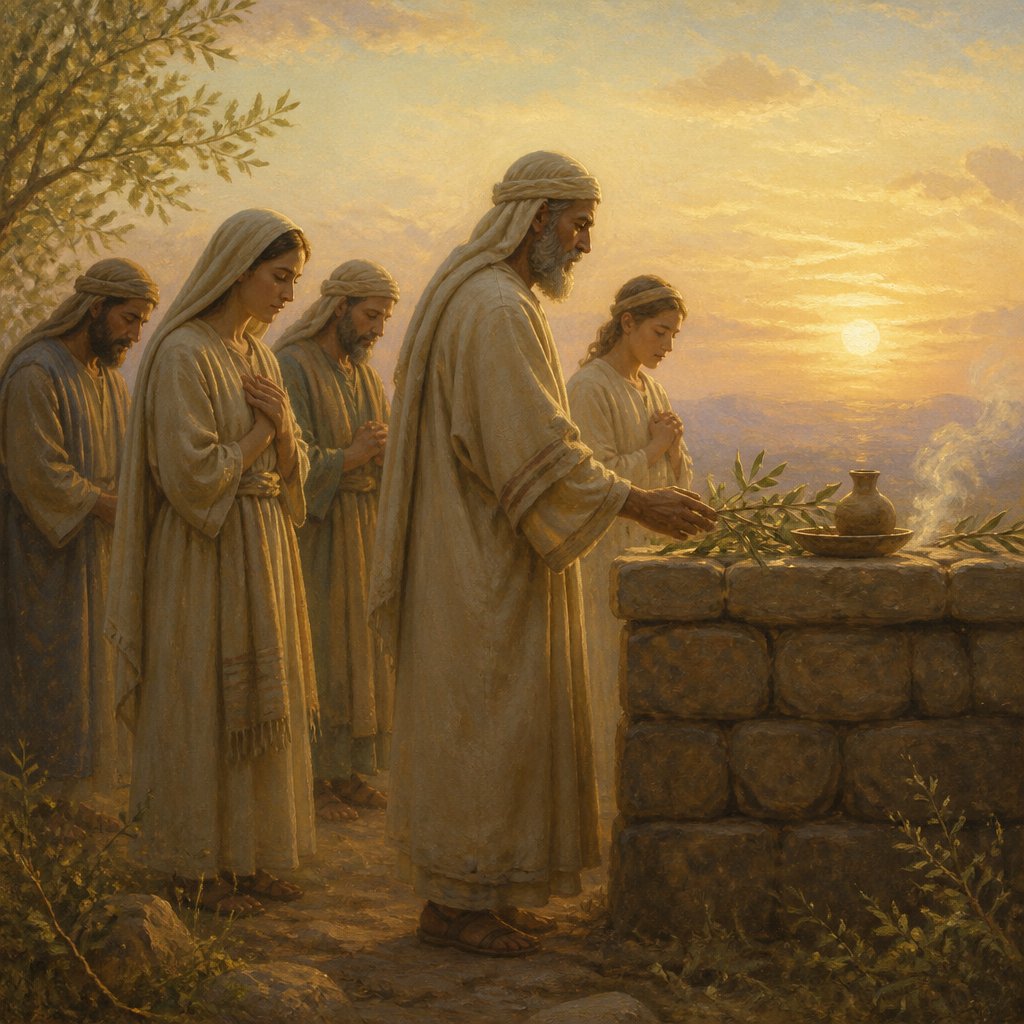
Leviticus 20:8 states, "And ye shall keep my statutes, and do them: I am the LORD which sanctify you." This verse encapsulates a profound truth about the nature of God’s relationship with His people, and it challenges us to understand the implications of divine sanctification in our daily lives. As we delve into this verse, it encourages us to reflect on the significance of God's statutes and the calling to be a sanctified people.
In the context of Leviticus, we find that this book serves as a manual of holiness for God’s people. The Israelites had just been delivered from slavery in Egypt and were about to enter the Promised Land. In order to thrive in this new life, it was crucial for God’s people to establish a distinct identity, rooted in holiness, obedience, and sanctification. By giving them laws and statutes, God was not restricting their freedom; rather, He was creating a framework through which they could truly live and flourish.
The command to keep the statutes and to do them is a call to action. It emphasizes that obedience is not merely a matter of knowledge, but it is also about active participation in God’s will. The phrase "ye shall keep" suggests a diligent and continuous effort. Keeping God’s statutes means living out His commands in every aspect of life—our relationships, our work, our worship, and even our leisure. Every decision and action should be a reflection of our commitment to Him.
Next, the assurance "I am the LORD which sanctify you" is incredibly powerful. It reminds us of our identity and the source of our holiness. The term "sanctify" indicates a setting apart for a holy purpose. This is not something we can accomplish on our own; it is God who sanctifies us. In this regard, the call to holiness is both a divine imperative and a gracious invitation. We are invited into a relationship with the Holy One who enables us to live out His commands. Through the sacrifice of Christ, who perfectly fulfilled the law, we are sanctified and made holy. Our holiness is a gift from God, not a result of our own striving.
However, we should not take this gift lightly. In a culture that often disdains the concept of absolute truth and moral standards, the church is called to uphold the statutes of God. The postmodern world may see such standards as restrictive, but we understand them to be protective and beneficial. Just as an architect adheres to a blueprint to ensure the stability of a building, we must adhere to God’s statutes to ensure the stability and health of our spiritual lives. Obedience to God’s laws is a declaration of our faith and obedience to Him. It’s a way of saying, "I trust that You know what is best for me."
Living in accordance with God's statutes can bring various challenges. Society may not always understand or support our commitment to holiness, and we may face opposition or ridicule. Yet, we are reminded that we are not alone in this journey. The Lord, who sanctifies us, also empowers us to live according to His will. It is His grace that equips us to stand firm in our faith, His Spirit that guides us, and His love that compels us to live out His ways.
In conclusion, Leviticus 20:8 speaks to the heart of what it means to be a believer: a continual commitment to keeping God’s statutes as an expression of our love and reverence for Him. As we strive to live out this calling, let us remember that we do not do it in our own strength; it is God who sanctifies us. Let us embrace our identity as sanctified people, living out His truth with joy and confidence, knowing that in doing so, we reflect the holiness of our wonderful God.
Want to reflect more on Leviticus 20:8?
Continue your spiritual journey with Bible Chat — an AI-powered tool for exploring God's Word through conversation. Ask questions, discover connections, and deepen your understanding.
Get Our Apps


Leviticus 20:8 Artwork

Leviticus 20:8 - "And ye shall keep my statutes, and do them: I am the LORD which sanctify you."
"And ye shall keep my statutes, and do them: I am the LORD which sanctify you." - Leviticus 20:8

Leviticus 8:20 - "And he cut the ram into pieces; and Moses burnt the head, and the pieces, and the fat."
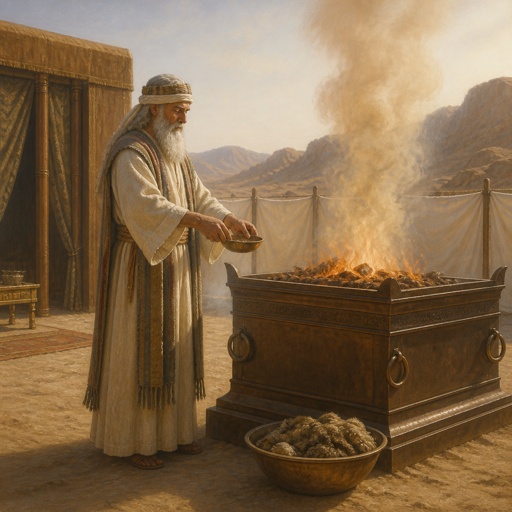
"And he cut the ram into pieces; and Moses burnt the head, and the pieces, and the fat." - Leviticus 8:20

Leviticus 23:20

Leviticus 24:20-23

Leviticus 20:1 - "And the LORD spake unto Moses, saying,"

Leviticus 10:20 - "And when Moses heard that, he was content."

Leviticus 16:8

Leviticus 8:30

Leviticus 20:22-26 simple picture

Picture to summarize Leviticus 20:22-26
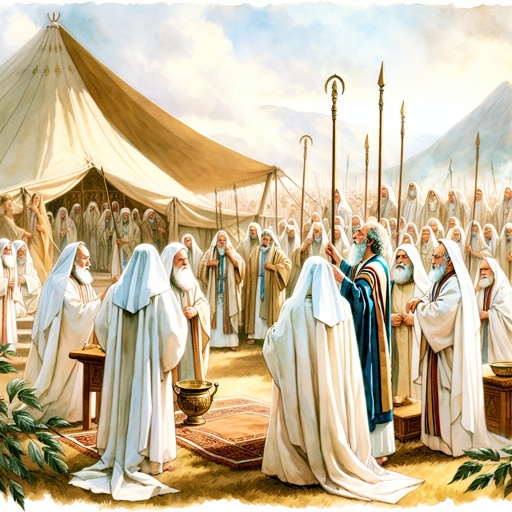
Leviticus 8:1-12

Leviticus 8:8 - "And he put the breastplate upon him: also he put in the breastplate the Urim and the Thummim."

Leviticus 20:20 - "And if a man shall lie with his uncle's wife, he hath uncovered his uncle's nakedness: they shall bear their sin; they shall die childless."

Leviticus 6:8 - "¶ And the LORD spake unto Moses, saying,"
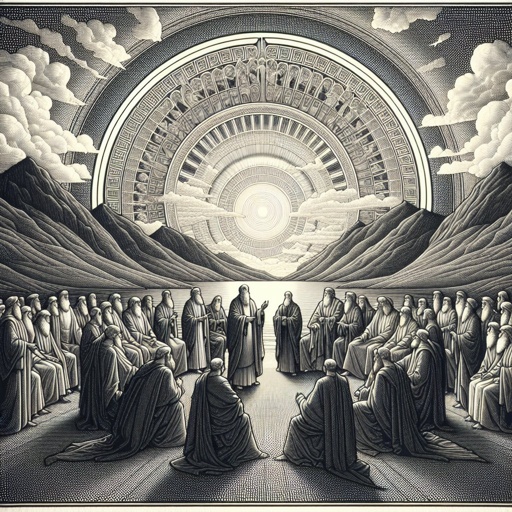
Leviticus 10:8 - "¶ And the LORD spake unto Aaron, saying,"

Leviticus 9:20 - "And they put the fat upon the breasts, and he burnt the fat upon the altar:"

Leviticus 22:20 - "But whatsoever hath a blemish, that shall ye not offer: for it shall not be acceptable for you."

Leviticus 8:1 - "And the LORD spake unto Moses, saying,"

Leviticus 20:7 - "¶ Sanctify yourselves therefore, and be ye holy: for I am the LORD your God."

Leviticus 18:20 - "Moreover thou shalt not lie carnally with thy neighbour's wife, to defile thyself with her."

Leviticus 11:20 - "All fowls that creep, going upon all four, shall be an abomination unto you."

Leviticus 21:20 - "Or crookbackt, or a dwarf, or that hath a blemish in his eye, or be scurvy, or scabbed, or hath his stones broken;"

"And the LORD spake unto Moses, saying," - Leviticus 20:1
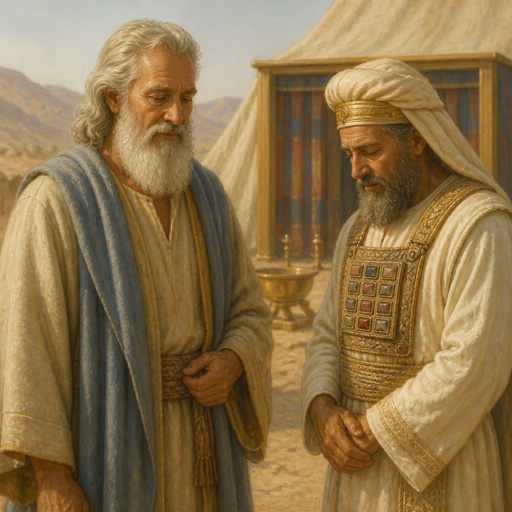
"And when Moses heard that, he was content." - Leviticus 10:20

Leviticus 8:32 - "And that which remaineth of the flesh and of the bread shall ye burn with fire."

Leviticus 8:6 - "And Moses brought Aaron and his sons, and washed them with water."

Leviticus 8:19 - "And he killed it; and Moses sprinkled the blood upon the altar round about."

Leviticus 8:3 - "And gather thou all the congregation together unto the door of the tabernacle of the congregation."