The Sanctity of Relationships: A Divine Perspective
"And if a man shall take his brother's wife, it is an unclean thing: he hath uncovered his brother's nakedness; they shall be childless." - Leviticus 20:21
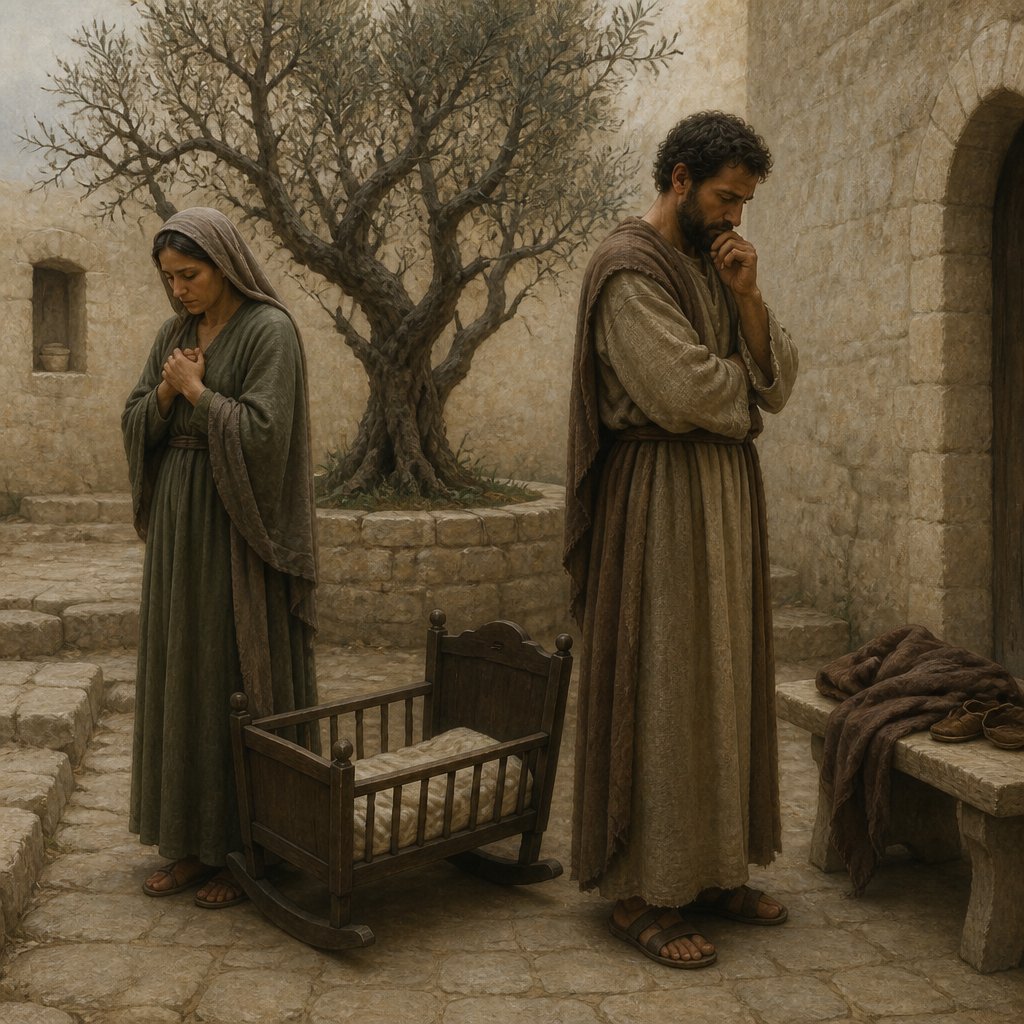
In the sacred text of Leviticus 20:21, we come across a profound and sobering command that God lays out for His people: "And if a man shall take his brother's wife, it is an unclean thing: he hath uncovered his brother's nakedness; they shall be childless" (KJV). At first glance, this verse calls for a specific prohibition against incestuous relations, but as we delve deeper, we uncover layers of meaning regarding relationships, fidelity, and the holiness of God’s laws.
To fully appreciate the implications of this scripture, we must contextualize it within the ancient Hebrew culture. Family ties were not mere social constructs; they were integral to the covenant community. Each family held a unique position and purpose established by God. Marriages were not just unions between two individuals but were meant to uphold and strengthen communal integrity and continuity. Thus, the act of taking one’s brother’s wife was not just a personal betrayal; it was a violation of family sanctity that could fracture the delicate weave of community life.
God’s laws were designed to foster a community marked by holiness—"Ye shall be holy; for I the Lord your God am holy" (Leviticus 19:2, KJV). The command in chapter 20 emphasizes that certain actions not only defile the individual but also pollute the entire community. To "uncover one’s brother's nakedness" symbolizes not just a physical act of intimacy but a profound breach of trust, loyalty, and honor. It signifies an act that disregards the sacred bonds ordained by God in favor of selfish desires. In a world full of temptations and modern interpretations of relationships, this ancient prohibition carries a timeless truth: God cherishes the sanctity of marriage and familial bonds.
Moreover, the outcome described—"they shall be childless"—serves as a stark reminder of the grave consequences of such actions. Childlessness, in the biblical context, represented not just the loss of potential heirs but also a severe social stigma. To be without offspring was seen as a sign of divine disfavor and personal shame. God’s design for marriage hinges on the next generation; it is a divine orchestrating of love, nurture, and spiritual legacy. Here, childlessness symbolizes spiritual barrenness resulting from betrayal—the loss of divine blessing due to a choice that disregards His commandments.
As Christians today, we can reflect on this verse and ask ourselves: How do we honor our relationships? How seriously do we take God’s commandments pertaining to fidelity and family? In a culture rife with instances of infidelity, divorce, and relational chaos, Leviticus 20:21 stands as a clarion call to reflect upon the holiness expected of us. Each relationship we enter holds the potential for either nurturing life or breeding chaos.
In addition, as we seek to live out our faith, we must also recognize the redemptive aspect of God’s grace. While this verse clearly outlines God’s desires for interpersonal conduct, it doesn’t end there. Christ’s teachings and sacrificial love remind us that even when we falter in our relationships, there is forgiveness and restoration. The blood of Christ, poured out for the unclean, offers a pathway to healing and reconciliation. We are called not just to avoid the actions that lead to destruction but to pursue practices that build each other up in love and grace.
In closing, let us view Leviticus 20:21 as more than a prohibition; it is a divine invitation to uphold the sanctity of relationships. Let us approach our marriages, friendships, and familial ties with reverence, committed to honoring one another in the sight of God. As we strive for holiness, let us remember that true love reflects the character of God, embodying faithfulness, respect, and the acknowledgment of His perfect design. May we continually seek His strength to walk in purity and integrity, fostering relationships that glorify Him.
Want to reflect more on Leviticus 20:21?
Continue your spiritual journey with Bible Chat — an AI-powered tool for exploring God's Word through conversation. Ask questions, discover connections, and deepen your understanding.
Get Our Apps


Leviticus 20:21 Artwork

Leviticus 20:21 - "And if a man shall take his brother's wife, it is an unclean thing: he hath uncovered his brother's nakedness; they shall be childless."
"And if a man shall take his brother's wife, it is an unclean thing: he hath uncovered his brother's nakedness; they shall be childless." - Leviticus 20:21

Leviticus 21:20 - "Or crookbackt, or a dwarf, or that hath a blemish in his eye, or be scurvy, or scabbed, or hath his stones broken;"
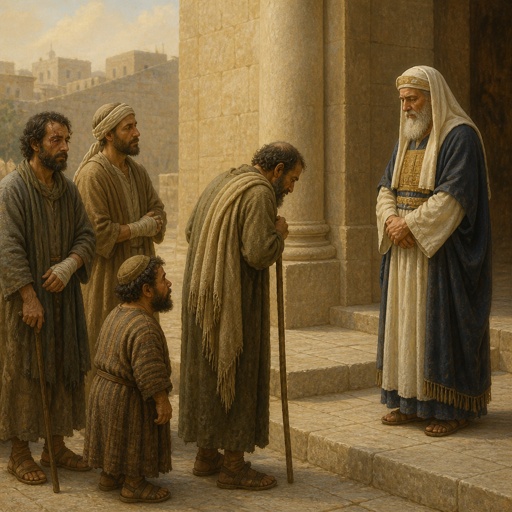
"Or crookbackt, or a dwarf, or that hath a blemish in his eye, or be scurvy, or scabbed, or hath his stones broken;" - Leviticus 21:20

Leviticus 23:21

Leviticus 23:21

Leviticus 23:20

Leviticus 23:21

Leviticus 23:21

Leviticus 23:21

Leviticus 23:21

Leviticus 21:19 - "Or a man that is brokenfooted, or brokenhanded,"

Leviticus 24:20-23

Leviticus 20:1 - "And the LORD spake unto Moses, saying,"

Leviticus 10:20 - "And when Moses heard that, he was content."

Leviticus 21:16 - "¶ And the LORD spake unto Moses, saying,"

Leviticus 21:13 - "And he shall take a wife in her virginity."

Luke 13:20-21

Luke 13:20-21
Luke 13:20-21

Luke 13:20-21

Luke 13:20-21

Leviticus 20:22-26 simple picture

Picture to summarize Leviticus 20:22-26

"Or a man that is brokenfooted, or brokenhanded," - Leviticus 21:19

Genesis 21-20

John 20:21

Leviticus 20:20 - "And if a man shall lie with his uncle's wife, he hath uncovered his uncle's nakedness: they shall bear their sin; they shall die childless."

Leviticus 9:20 - "And they put the fat upon the breasts, and he burnt the fat upon the altar:"

Leviticus 8:20 - "And he cut the ram into pieces; and Moses burnt the head, and the pieces, and the fat."