The Freedom of Willing Sacrifice
"¶ And if ye offer a sacrifice of peace offerings unto the LORD, ye shall offer it at your own will." - Leviticus 19:5

The book of Leviticus often calls to mind the rigorous laws and regulations that shaped the life of the Israelites. Among those statutes, Leviticus 19:5 shines a light on an essential aspect of our relationship with God: the sincerity of our offerings. It reads, "And if ye offer a sacrifice of peace offerings unto the LORD, ye shall offer it at your own will" (KJV). This verse may seem straightforward, yet it invites deeper reflection on the nature of sacrificial worship and the heart of the giver.
The peace offering was a significant ritual in ancient Israel, symbolizing an expression of gratitude, commitment, and communion with God. Unlike the sin offering or the burnt offering, whose primary purpose was atonement or devotion, the peace offering represented a celebration, a fellowship between God and the worshiper. This offering was meant to express joy and thankfulness, inviting the participant into a deeper connection with their Creator. The stipulation that this offering be made "at your own will" emphasizes the importance of voluntary worship and the attitude of the giver.
There is profound wisdom in this phrase. Worship that is coerced, routine, or half-hearted lacks the beauty and authenticity that God desires. What God yearns for is not merely our actions but the condition of our hearts. In presenting an offering willingly, we align our intent with God’s intentions; we acknowledge His sovereignty and grace in our lives. It reflects a deep understanding that all we have belongs to Him and that when we offer our best, we do so in recognition of His goodness.
The concept of voluntary sacrifice resonates deeply in the New Testament as well. In 2 Corinthians 9:7, Paul reminds us that "every man according as he purposeth in his heart, so let him give; not grudgingly, or of necessity: for God loveth a cheerful giver" (KJV). This verse echoes the importance of willingness in our giving and serving. Authentic faith is characterized by a desire to respond to God’s love generously, not out of obligation but as a natural outpouring of gratitude.
The peace offering illustrates a unique personal relationship with God. While the ritual itself involved certain acts, the overarching theme was the participant's desire to connect on a personal level with the divine – an invitation to share a meal, a symbol of peace, and an act of unity. When we give willingly, we participate in this communion. This is particularly touching when we consider that God desires not just our sacrifices but our very presence in worship and fellowship.
To offer a sacrifice of peace offerings "at your own will" also speaks to the nature of our personal experiences with God. It reminds us that participation in the life of faith is inherently relational. Each individual’s journey with God is unique, and our sacrifices should reflect that personal relationship. Some may express their offerings through acts of service, others through music, and still others through quiet devotion or prayer. The key is that whatever offering we choose must arise from a place of genuine desire and joy.
As we reflect on this verse, let us examine our own approach to sacrifice and worship. Are we offering reluctantly or joyfully? Does our giving spring from a heart filled with gratitude? The peace offering is more than a religious act; it is an intimate response to God’s presence in our lives, an invitation to celebrate His love in all its forms.
Let us commit today to offer our lives, our resources, and our hearts to God willingly. Let our worship be a true reflection of our gratitude, positioning us in sweet communion with our Lord, who celebrates and rejoices with us in every offering made from a place of love and faith.
Want to reflect more on Leviticus 19:5?
Continue your spiritual journey with Bible Chat — an AI-powered tool for exploring God's Word through conversation. Ask questions, discover connections, and deepen your understanding.
Get Our Apps


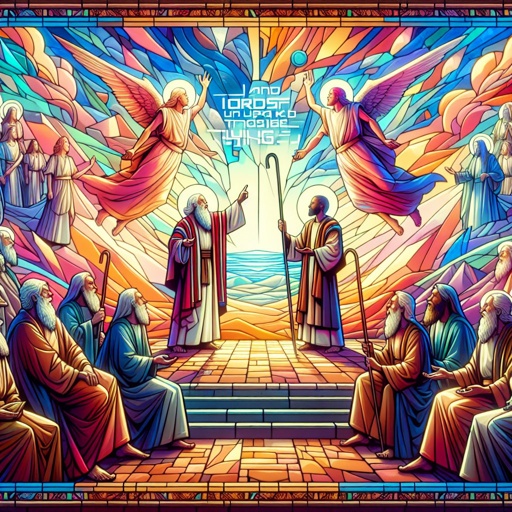
Leviticus 19:5 Artwork

Leviticus 19:5 - "¶ And if ye offer a sacrifice of peace offerings unto the LORD, ye shall offer it at your own will."

"¶ And if ye offer a sacrifice of peace offerings unto the LORD, ye shall offer it at your own will." - Leviticus 19:5

Leviticus 5:19 - "It is a trespass offering: he hath certainly trespassed against the LORD."

"It is a trespass offering: he hath certainly trespassed against the LORD." - Leviticus 5:19

Leviticus 21:19 - "Or a man that is brokenfooted, or brokenhanded,"

Leviticus 6:19 - "¶ And the LORD spake unto Moses, saying,"

Leviticus 19:1 - "And the LORD spake unto Moses, saying,"

Leviticus 11:19 - "And the stork, the heron after her kind, and the lapwing, and the bat."

Leviticus 19:7 - "And if it be eaten at all on the third day, it is abominable; it shall not be accepted."

"Or a man that is brokenfooted, or brokenhanded," - Leviticus 21:19

Leviticus 19:35 - "¶ Ye shall do no unrighteousness in judgment, in meteyard, in weight, or in measure."

Leviticus 8:19 - "And he killed it; and Moses sprinkled the blood upon the altar round about."

Leviticus 19:33 - "¶ And if a stranger sojourn with thee in your land, ye shall not vex him."
Leviticus 5:14 - "¶ And the LORD spake unto Moses, saying,"

Leviticus 19:11 - "¶ Ye shall not steal, neither deal falsely, neither lie one to another."

Leviticus 19:24 - "But in the fourth year all the fruit thereof shall be holy to praise the LORD withal."

Leviticus 5:5 - "And it shall be, when he shall be guilty in one of these things, that he shall confess that he hath sinned in that thing:"

Leviticus 13:19 - "And in the place of the boil there be a white rising, or a bright spot, white, and somewhat reddish, and it be shewed to the priest;"

Leviticus 22:19 - "Ye shall offer at your own will a male without blemish, of the beeves, of the sheep, or of the goats."

Leviticus 9:19 - "And the fat of the bullock and of the ram, the rump, and that which covereth the inwards, and the kidneys, and the caul above the liver:"

Leviticus 4:19 - "And he shall take all his fat from him, and burn it upon the altar."

Leviticus 19:30 - "¶ Ye shall keep my sabbaths, and reverence my sanctuary: I am the LORD."

Leviticus 23:5 - "In the fourteenth day of the first month at even is the LORD'S passover."

Leviticus 24:19 - "And if a man cause a blemish in his neighbour; as he hath done, so shall it be done to him;"

"And the LORD spake unto Moses, saying," - Leviticus 19:1

"¶ And the LORD spake unto Moses, saying," - Leviticus 6:19

Leviticus 26:19 - "And I will break the pride of your power; and I will make your heaven as iron, and your earth as brass:"

Leviticus 25:19 - "And the land shall yield her fruit, and ye shall eat your fill, and dwell therein in safety."

Leviticus 19:27 - "Ye shall not round the corners of your heads, neither shalt thou mar the corners of thy beard."

Leviticus 8:5 - "And Moses said unto the congregation, This is the thing which the LORD commanded to be done."