The Divine Provision for Restoration: Understanding Trespass Offerings
"And he shall bring his trespass offering unto the LORD, unto the door of the tabernacle of the congregation, even a ram for a trespass offering." - Leviticus 19:21
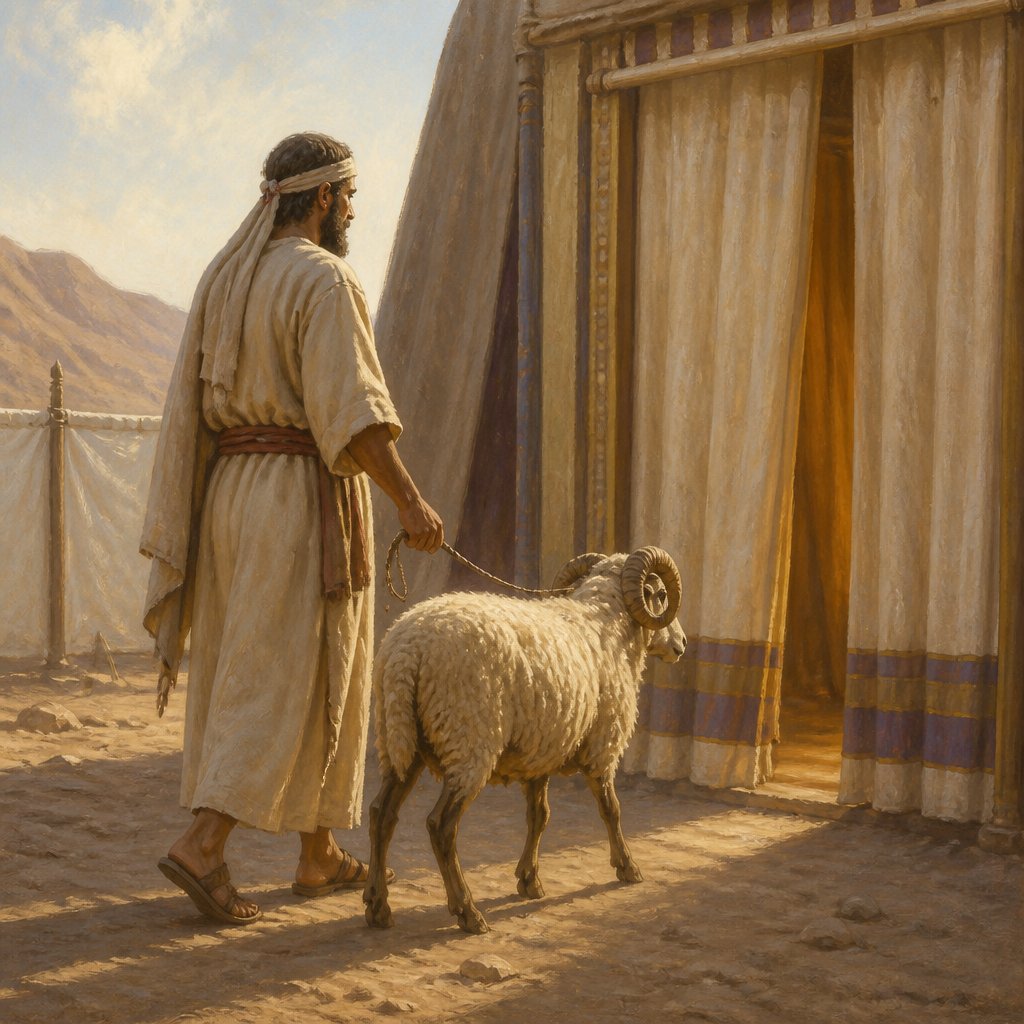
As we delve into the intricate regulations of the Levitical law, we encounter the specific verse in Leviticus 19:21: "And he shall bring his trespass offering unto the LORD, unto the door of the tabernacle of the congregation, even a ram for a trespass offering." This admonition, nestled in the heart of the Old Testament sacrificial system, serves as a microcosm of God's approach to sin, repentance, and restoration.
**The Context of the Trespass Offering**
To fully appreciate this verse, we need to understand the nature of a trespass offering. In the Levitical law, the trespass offering was a sacrificial act meant to atone for unintentional sins that harmed one’s neighbor or violated God’s commandments (Leviticus 6:1-7). It was a tangible expression of remorse and the desire to rectify wrongs. In ancient Israel, sin was not merely a private matter; it carried with it communal repercussions. Therefore, bringing a ram as a trespass offering symbolized both personal acknowledgment of guilt and the restoration of harmony within the community.
**The Significance of the Ram**
Why a ram? The ram was a valuable animal, representing a significant sacrifice. Such an offering conveyed the gravity of the individual’s sin and his commitment to make amends. In a way, this act was the first step in receiving forgiveness—both from God and from those wronged. This principle transcends the limitation of time and speaks to our current spiritual state. When we acknowledge our wrongdoings and seek restitution, we lay the groundwork for healing and reconciliation.
**Approaching the Door of the Tabernacle**
Furthermore, the directive to bring the offering "unto the door of the tabernacle of the congregation" denotes a powerful spiritual symbolism. The tabernacle was the place where God’s presence dwelled among His people. Approaching that sacred entrance was an act of humility and faith, acknowledging the need for divine intervention and forgiveness. In our modern lives, the tabernacle can represent our relationship with God through prayer and the Holy Spirit. Just as the ancient Israelites approached the door to seek atonement, we too must approach God with sincerity and humility, recognizing our need for His grace.
**A Reflection on Our Own Trespasses**
While the Levitical law may feel distant to us, the underlying principle of returning to God for forgiveness remains relevant. We may not offer literal rams, but our hearts often carry the weight of guilt from unkind words, actions, or neglected responsibilities. Reflecting on our lives, we must ask ourselves: What are the areas where I have trespassed—against God, against my neighbor, or even against myself? The beautiful reality is that God invites us to come forth with our trespasses, just as He intended for the Israelites to present their offerings.
**Embracing God’s Forgiveness**
In our acknowledgement of our sins lies the potential for healing and hope. The ram offered was not merely an obligation; it symbolized the restoration that comes from repentance. As we bring our own burdens to the altar of God, we can rest assured that just as the Israelites found mercy, so too will we. This brings us to a climactic understanding of the sacrificial system pointing to the ultimate sacrifice, Jesus Christ, who took upon Himself the sins of the world. His death and resurrection opened the door of grace for all who believe, allowing us unfettered access to the Father.
**An Invitation to Action**
As we reflect on Leviticus 19:21, may it stir within us a longing for purity in our lives. Let us work diligently to identify our transgressions and seek genuine repentance. Embrace the process of restoration that is initiated by God's overwhelming love—an invitation to come boldly to His throne of grace (Hebrews 4:16). Remember, the path to healing begins when we recognize that the door is always open. God awaits us, ready to embrace us, forgive us, and restore us with immeasurable love.
Want to reflect more on Leviticus 19:21?
Continue your spiritual journey with Bible Chat — an AI-powered tool for exploring God's Word through conversation. Ask questions, discover connections, and deepen your understanding.
Get Our Apps


Leviticus 19:21 Artwork

Leviticus 19:21 - "And he shall bring his trespass offering unto the LORD, unto the door of the tabernacle of the congregation, even a ram for a trespass offering."

"And he shall bring his trespass offering unto the LORD, unto the door of the tabernacle of the congregation, even a ram for a trespass offering." - Leviticus 19:21

Leviticus 21:19 - "Or a man that is brokenfooted, or brokenhanded,"

"Or a man that is brokenfooted, or brokenhanded," - Leviticus 21:19

Revelation 19:19-21

Revelation 19:19-21

Revelation 19:19-21

Leviticus 23:21

Leviticus 23:21

Leviticus 23:21

Leviticus 23:21

Leviticus 23:21

Leviticus 23:21

Leviticus 21:16 - "¶ And the LORD spake unto Moses, saying,"

Leviticus 6:19 - "¶ And the LORD spake unto Moses, saying,"

Leviticus 19:1 - "And the LORD spake unto Moses, saying,"

Leviticus 21:13 - "And he shall take a wife in her virginity."

Leviticus 11:19 - "And the stork, the heron after her kind, and the lapwing, and the bat."

Leviticus 19:7 - "And if it be eaten at all on the third day, it is abominable; it shall not be accepted."

Leviticus 5:19 - "It is a trespass offering: he hath certainly trespassed against the LORD."

Leviticus 19:35 - "¶ Ye shall do no unrighteousness in judgment, in meteyard, in weight, or in measure."

Leviticus 8:19 - "And he killed it; and Moses sprinkled the blood upon the altar round about."

Leviticus 19:33 - "¶ And if a stranger sojourn with thee in your land, ye shall not vex him."

Genesis 21-19

Genesis 19-21

Leviticus 21:22 - "He shall eat the bread of his God, both of the most holy, and of the holy."

Leviticus 21:24 - "And Moses told it unto Aaron, and to his sons, and unto all the children of Israel."

Leviticus 19:11 - "¶ Ye shall not steal, neither deal falsely, neither lie one to another."

Leviticus 19:24 - "But in the fourth year all the fruit thereof shall be holy to praise the LORD withal."

luke 21:5-19