The Sweet Aroma of Sacrifice: Understanding Leviticus 17:6
"And the priest shall sprinkle the blood upon the altar of the LORD at the door of the tabernacle of the congregation, and burn the fat for a sweet savour unto the LORD." - Leviticus 17:6
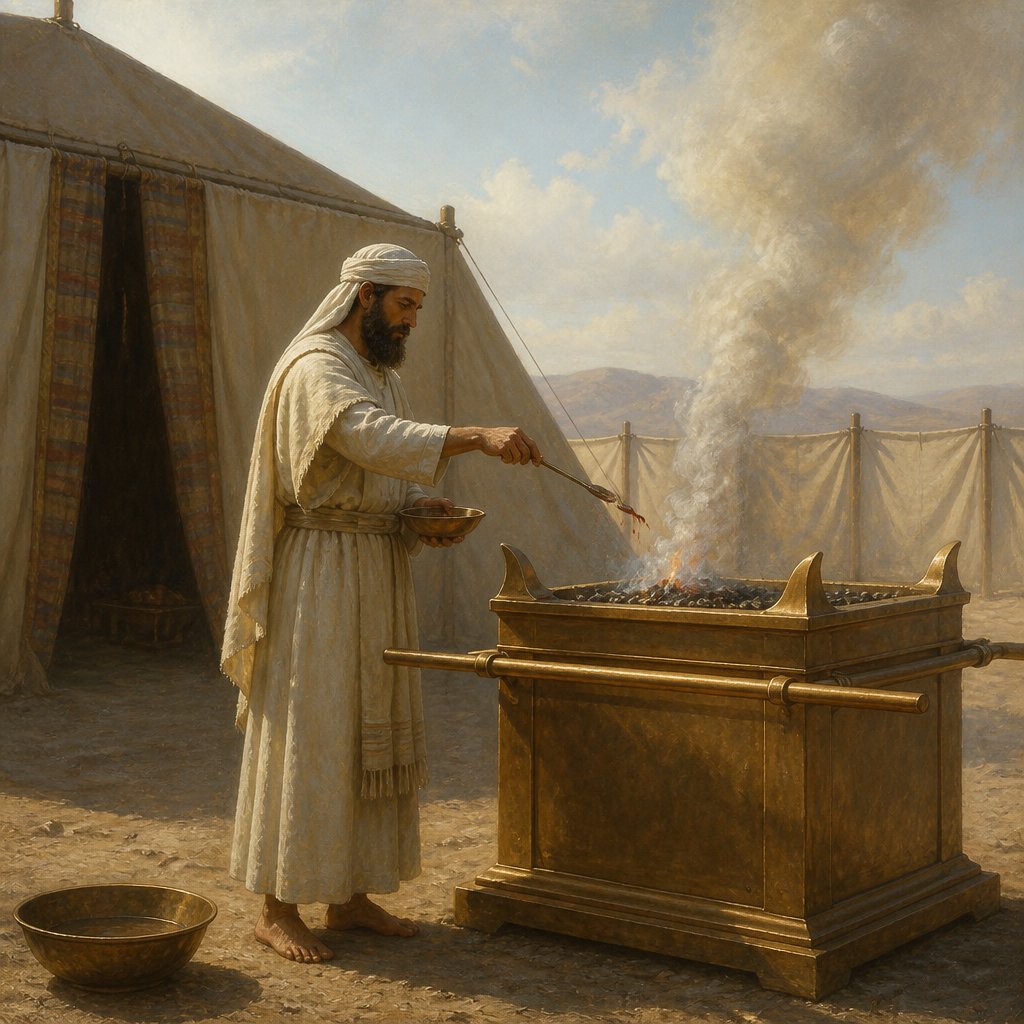
In our modern world, it can be easy to overlook the significance of blood and sacrifice described in the Old Testament; these concepts may appear foreign or even gruesome. However, they held profound meaning for ancient Israel and bear spiritual truths that resonate even today. Leviticus 17:6 states: "And the priest shall sprinkle the blood upon the altar of the LORD at the door of the tabernacle of the congregation, and burn the fat for a sweet savour unto the LORD." This passage encapsulates the essence of sacrificial worship and the relationship between God and His people.
Blood in the Scriptures represents life, purity, and atonement. In the Israelite community, blood was central to their covenant with God, serving as a literal and symbolic means of reconciliation for their sins. The act of sprinkling blood upon the altar was a powerful gesture that communicated several theological and practical truths.
Firstly, the altar represents God's presence, His holiness, and His acceptance of the sacrificial offering. The requirement that the priest sprinkle the blood at the altar underscores the very essence of access to God. The altar was not just a place where sacrifices were made; it was a threshold into the divine presence. Through the sprinkling of blood, the sinner found a means of approaching a holy God and experiencing forgiveness. This ritual practice anticipated the ultimate sacrificial act of Jesus Christ, whose blood would fulfill the atonement once and for all, providing believers direct access to the Father.
Secondly, the act of burning the fat on the altar as a "sweet savour" unto the LORD allows us to reflect on the nature of God’s pleasure in our sacrifices. The fat in ancient Israel was seen as a choice part and was considered precious in a sacrificial context. By offering the fat—which symbolized abundance and the richness of the sacrifice—the worshiper sent a message to God that He is worthy of the best we have to offer. The term "sweet savour" indicates that God delights in our sacrifices when they come from a place of sincerity and devotion. It leads us to ponder: What does it mean for us to offer our lives, our resources, and our time as a "sweet savour" unto the Lord today?
Moreover, this verse beautifully illustrates the communal aspect of worship. The phrase "at the door of the tabernacle of the congregation" reveals that worship was never intended to be an isolated act. The community gathered to witness and partake in the sacrifices made by the priests on their behalf. This idea reminds us that our relationship with God cannot be separated from our relationships with others. As Christians, we are part of a body, and our worship should be reflective of that community—strengthening and encouraging one another in faith.
Furthermore, we need to consider the continual nature of these sacrifices in the Old Testament system. It acknowledges human fragility and the ongoing need for redemption. Our own lives mirror this reality; we often falter, and the call to confession and repentance is an integral part of our walk with God. Yet, we do not have to continuously seek atonement through animal sacrifices, for Christ Jesus is our ultimate Lamb, whose one-time sacrifice was sufficient for all. In light of this, we are called to live lives of worship—expressing our gratitude for Christ's atonement through acts of love, service, and the offering of our own lives to Him.
In conclusion, Leviticus 17:6 serves as a potent reminder of the significance of sacrifice, the holiness of God, and the acceptance we find through the blood of Christ. As we reflect on our own lives, may we strive to be living sacrifices, holy and pleasing to God (Romans 12:1). Let us remember that it’s not just the act of sacrifice that matters but the heart and intention behind it. May our lives become a sweet aroma to the Lord as we follow Him faithfully, loving one another, and embracing the community He has placed us in.
Want to reflect more on Leviticus 17:6?
Continue your spiritual journey with Bible Chat — an AI-powered tool for exploring God's Word through conversation. Ask questions, discover connections, and deepen your understanding.
Get Our Apps


Leviticus 17:6 Artwork

Leviticus 17:6 - "And the priest shall sprinkle the blood upon the altar of the LORD at the door of the tabernacle of the congregation, and burn the fat for a sweet savour unto the LORD."
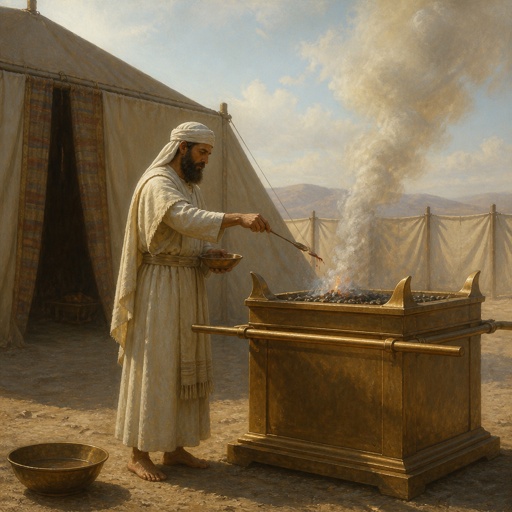
"And the priest shall sprinkle the blood upon the altar of the LORD at the door of the tabernacle of the congregation, and burn the fat for a sweet savour unto the LORD." - Leviticus 17:6

Leviticus 6:17 - "It shall not be baken with leaven. I have given it unto them for their portion of my offerings made by fire; it is most holy, as is the sin offering, and as the trespass offering."

Leviticus 17:7

Leviticus 23:17-22

Leviticus 11:17 - "And the little owl, and the cormorant, and the great owl,"

Leviticus 22:17 - "¶ And the LORD spake unto Moses, saying,"

Leviticus 17:1 - "And the LORD spake unto Moses, saying,"

Leviticus 7:17 - "But the remainder of the flesh of the sacrifice on the third day shall be burnt with fire."

Leviticus 26: 4-6
Leviticus 26: 4-6

Leviticus 26: 4-6

Leviticus 24:17 - "¶ And he that killeth any man shall surely be put to death."

Leviticus 6:24 - "¶ And the LORD spake unto Moses, saying,"

Leviticus 6:8 - "¶ And the LORD spake unto Moses, saying,"

Leviticus 6:19 - "¶ And the LORD spake unto Moses, saying,"

Leviticus 6:1 - "And the LORD spake unto Moses, saying,"
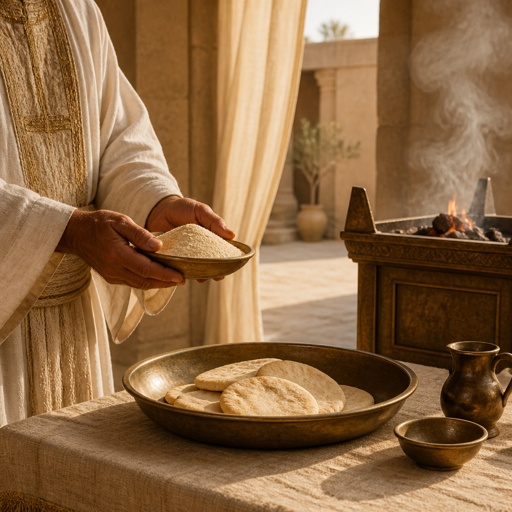
"It shall not be baken with leaven. I have given it unto them for their portion of my offerings made by fire; it is most holy, as is the sin offering, and as the trespass offering." - Leviticus 6:17

Leviticus 15:17 - "And every garment, and every skin, whereon is the seed of copulation, shall be washed with water, and be unclean until the even."

Leviticus 17:3 - "What man soever there be of the house of Israel, that killeth an ox, or lamb, or goat, in the camp, or that killeth it out of the camp,"

Leviticus 1:6 - "And he shall flay the burnt offering, and cut it into his pieces."

Leviticus 27:17 - "If he sanctify his field from the year of jubile, according to thy estimation it shall stand."

Leviticus 17:16 - "But if he wash them not, nor bathe his flesh; then he shall bear his iniquity."

"¶ And the LORD spake unto Moses, saying," - Leviticus 22:17

"And the LORD spake unto Moses, saying," - Leviticus 17:1

"And the little owl, and the cormorant, and the great owl," - Leviticus 11:17

Leviticus 8:6 - "And Moses brought Aaron and his sons, and washed them with water."

Leviticus 9:17 - "And he brought the meat offering, and took an handful thereof, and burnt it upon the altar, beside the burnt sacrifice of the morning."

Leviticus 2:6 - "Thou shalt part it in pieces, and pour oil thereon: it is a meat offering."

Leviticus 6:23 - "For every meat offering for the priest shall be wholly burnt: it shall not be eaten."