The Significance of Sacrifice: Understanding Leviticus 17:3
"What man soever there be of the house of Israel, that killeth an ox, or lamb, or goat, in the camp, or that killeth it out of the camp," - Leviticus 17:3
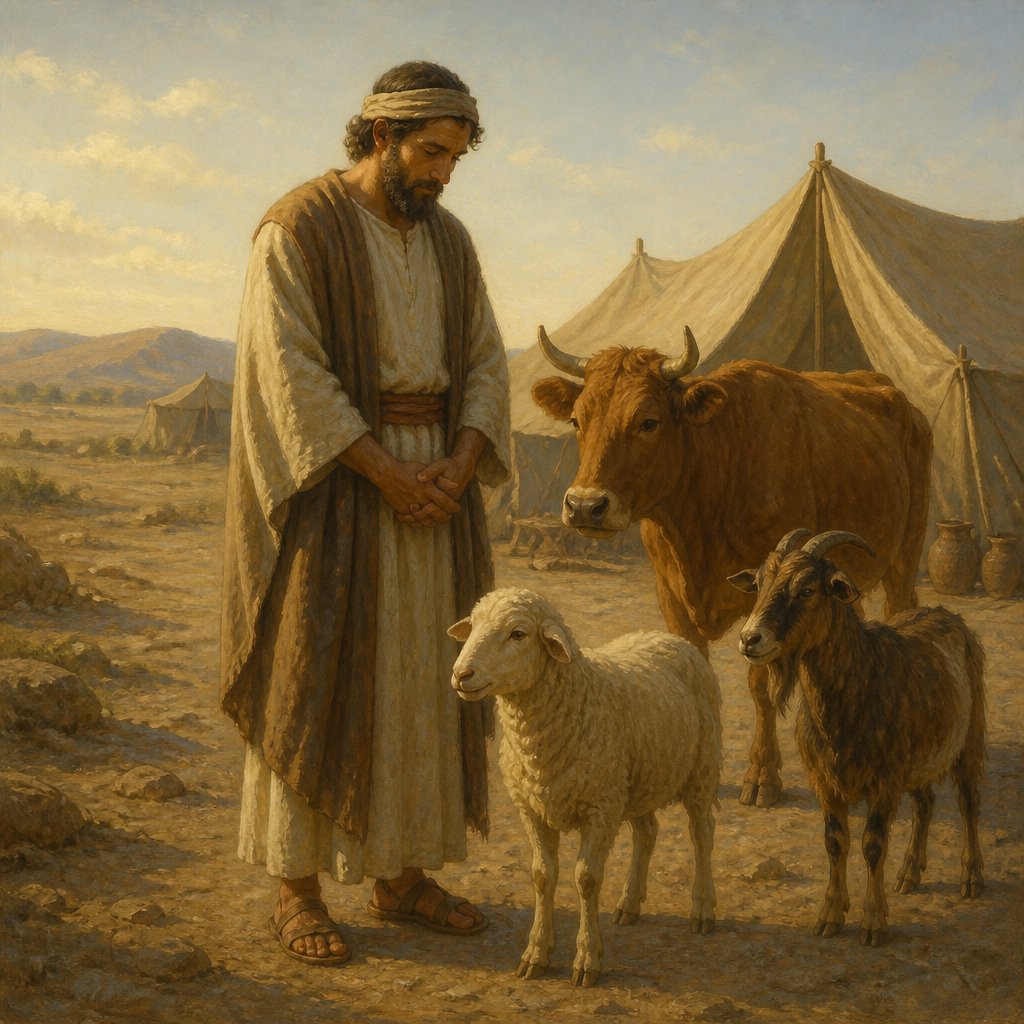
Leviticus 17:3 declares, “What man soever there be of the house of Israel, that killeth an ox, or lamb, or goat, in the camp, or that killeth it out of the camp.” This instruction, part of the Levitical law, reflects a fundamental aspect of the relationship between God, the Israelites, and the sacrificial system instituted for their worship. To understand this verse and its implications, we must delve deeper into its historical and spiritual contexts.
The book of Leviticus is pivotal for the Israelites as it lays down the laws governing their worship, their moral conduct, and their communal life. This particular verse addresses the manner by which sacrifices were to be offered to God, emphasizing the need for order, sanctity, and reverence in the ways the Israelites would approach sacrificial worship. God is instilling within His people the understanding that sacrifices represent not just a physical act of killing an animal, but a function of devotion, commitment, and community adherence to divine standards.
At first glance, it might appear that the law simply regulates the practicalities of killing animals for food. However, the deeper significance lies in the connection between this act and the Israelite’s relationship with God. The act of sacrifice was not merely a cultural norm but was designed to be a means of atonement and expression of faith in God. Animals used for sacrifices, such as oxen, lambs, or goats, were more than livestock; they represented life, vitality, and the coming before God in humility and reverence. The law establishes a clear distinction between sacred and secular, underscoring that even the most routine of actions must be taken with gravity and intentionality when performed in a relationship with the Almighty.
The directive also points to the importance of community in worship. By stating, “What man soever there be of the house of Israel,” the emphasis is on the collective responsibility of the Israelites. Worship was never intended to be an isolated act but a communal event, reinforcing the identity of the people as God’s chosen. Each individual’s actions had implications for the whole, reminding us today that our spiritual lives and commitments affect our community. This interconnectedness is critical in understanding accountability and unity in faith.
Furthermore, offering sacrifices in the camp rather than outside signifies the importance of approaching God in the sacred space designated for worship. It shows God’s desire for His people to engage in worship in a manner that honors Him, thus establishing the camp itself as a holy ground, a space in which the divine presence dwelled—the context in which sacrifice was acceptable and meaningful. This notion can be likened to our approach to prayer and worship today; we must come before God with reverence and in line with His instructions, seeking to honor Him above all else.
Equally essential is the implication concerning the nature of sacrifice itself. The bringing of animals to be sacrificed symbolizes the surrender of something valuable, a tangible expression of gratitude, repentance, and the acknowledgment of sin. As these Old Testament practices echo in the New Testament, we are reminded of the ultimate sacrifice made by Jesus Christ. His death on the cross fulfills the sacrificial system—no longer is it about the blood of goats or lambs but about the pure, unblemished Lamb of God. As believers in Christ, we are called to remember this ultimate sacrifice in our worship and life.
In conclusion, Leviticus 17:3 invites us to reflect on our own life of sacrifice, worship, and communal faith. Are we approaching God with the reverence that He deserves? Are we aware of how our individual actions affect our community of faith? Let us continually strive to present ourselves as living sacrifices, holy and acceptable to God. As Paul reminds us in Romans 12:1, we are to offer our bodies as living sacrifices, holy and pleasing to God, which is our true and proper worship. May this reflection lead us into a deeper understanding of sacrifice, not merely as an act but as a vital and ongoing expression of our relationship with God and our communal identity in Christ.
Want to reflect more on Leviticus 17:3?
Continue your spiritual journey with Bible Chat — an AI-powered tool for exploring God's Word through conversation. Ask questions, discover connections, and deepen your understanding.
Get Our Apps


Leviticus 17:3 Artwork

Leviticus 17:3 - "What man soever there be of the house of Israel, that killeth an ox, or lamb, or goat, in the camp, or that killeth it out of the camp,"
"What man soever there be of the house of Israel, that killeth an ox, or lamb, or goat, in the camp, or that killeth it out of the camp," - Leviticus 17:3

Leviticus 3:17 - "It shall be a perpetual statute for your generations throughout all your dwellings, that ye eat neither fat nor blood."

Leviticus 17:7

Leviticus 23:17-22
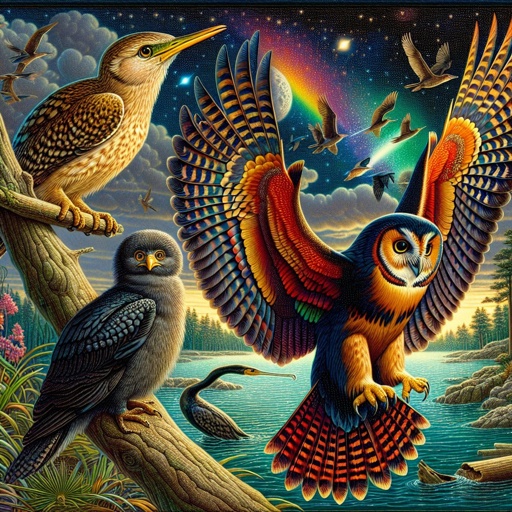
Leviticus 11:17 - "And the little owl, and the cormorant, and the great owl,"

Leviticus 22:17 - "¶ And the LORD spake unto Moses, saying,"

Leviticus 17:1 - "And the LORD spake unto Moses, saying,"
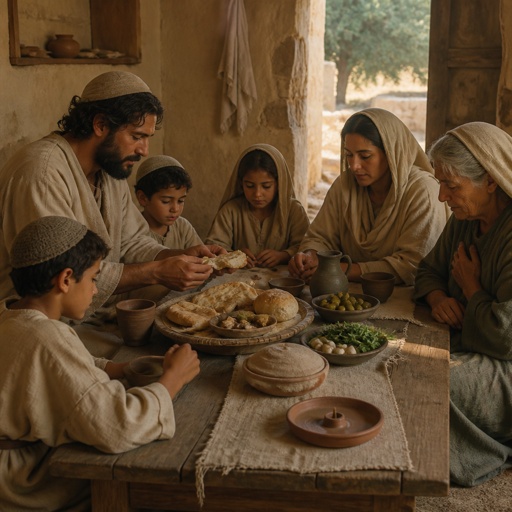
"It shall be a perpetual statute for your generations throughout all your dwellings, that ye eat neither fat nor blood." - Leviticus 3:17

Leviticus 7:17 - "But the remainder of the flesh of the sacrifice on the third day shall be burnt with fire."

Leviticus 24:17 - "¶ And he that killeth any man shall surely be put to death."

Leviticus 15:17 - "And every garment, and every skin, whereon is the seed of copulation, shall be washed with water, and be unclean until the even."

Leviticus 27:17 - "If he sanctify his field from the year of jubile, according to thy estimation it shall stand."

Leviticus 17:16 - "But if he wash them not, nor bathe his flesh; then he shall bear his iniquity."

"¶ And the LORD spake unto Moses, saying," - Leviticus 22:17

"And the LORD spake unto Moses, saying," - Leviticus 17:1

"And the little owl, and the cormorant, and the great owl," - Leviticus 11:17

Leviticus 12:3 - "And in the eighth day the flesh of his foreskin shall be circumcised."

Leviticus 9:17 - "And he brought the meat offering, and took an handful thereof, and burnt it upon the altar, beside the burnt sacrifice of the morning."

Leviticus 8:17 - "But the bullock, and his hide, his flesh, and his dung, he burnt with fire without the camp; as the LORD commanded Moses."

Leviticus 4:17 - "And the priest shall dip his finger in some of the blood, and sprinkle it seven times before the LORD, even before the vail."

Leviticus 3:12 - "¶ And if his offering be a goat, then he shall offer it before the LORD."

Leviticus 8:3 - "And gather thou all the congregation together unto the door of the tabernacle of the congregation."

Leviticus 26:3 - "¶ If ye walk in my statutes, and keep my commandments, and do them;"

Leviticus 17:9 - "And bringeth it not unto the door of the tabernacle of the congregation, to offer it unto the LORD; even that man shall be cut off from among his people."

1 corinthians 3:16-17

Leviticus 3:7 - "If he offer a lamb for his offering, then shall he offer it before the LORD."

Leviticus 7:3 - "And he shall offer of it all the fat thereof; the rump, and the fat that covereth the inwards,"

Leviticus 3:3 - "And he shall offer of the sacrifice of the peace offering an offering made by fire unto the LORD; the fat that covereth the inwards, and all the fat that is upon the inwards,"

Leviticus 25:17 - "Ye shall not therefore oppress one another; but thou shalt fear thy God: for I am the LORD your God."