The Garments of Grace: A Journey into Holiness and Atonement
"And the priest, whom he shall anoint, and whom he shall consecrate to minister in the priest's office in his father's stead, shall make the atonement, and shall put on the linen clothes, even the holy garments:" - Leviticus 16:32
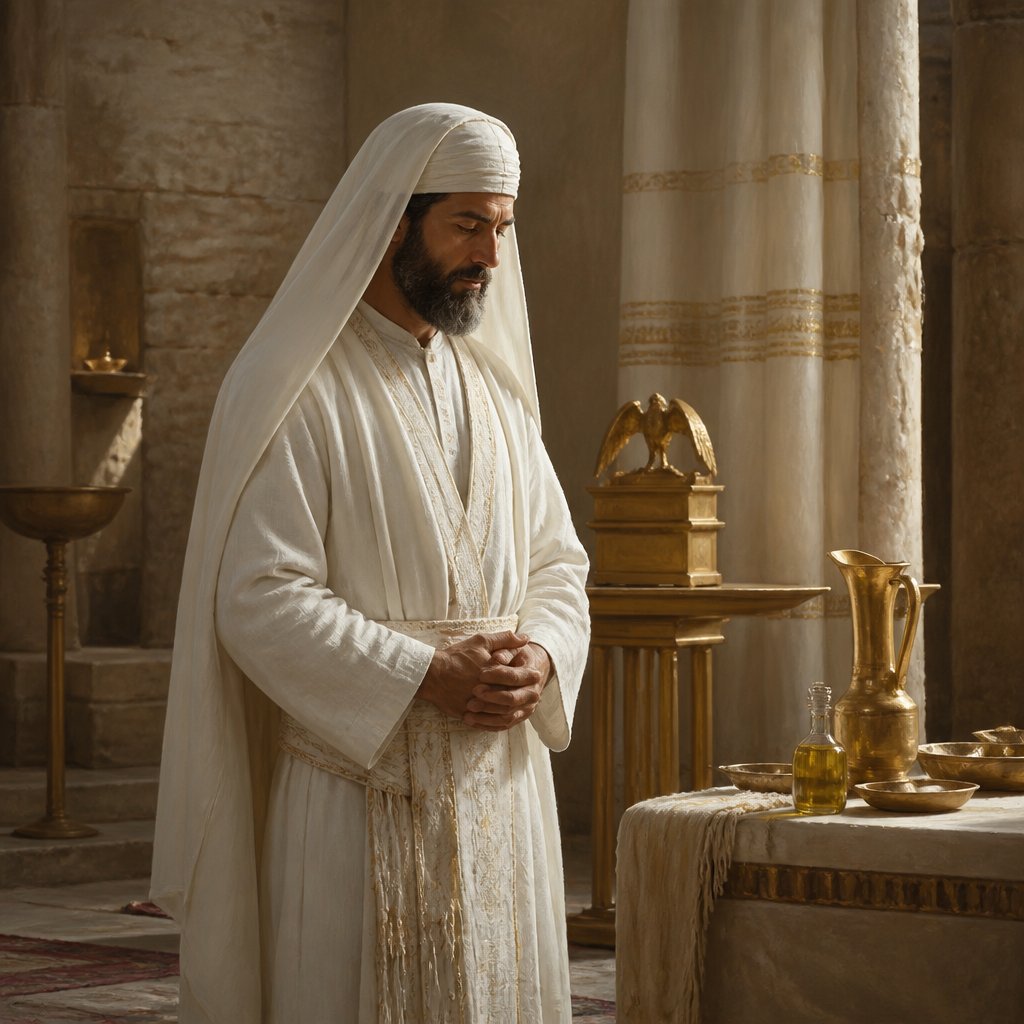
In Leviticus 16:32, we find a profound directive from God concerning the role of the priest during the sacred Day of Atonement: "And the priest, whom he shall anoint, and whom he shall consecrate to minister in the priest's office in his father's stead, shall make the atonement, and shall put on the linen clothes, even the holy garments." This verse lays a rich theological foundation, not only for the ancient practices of atonement but for our understanding of Jesus Christ as our High Priest today.
To grasp the importance of this scripture, we must first reflect on the significance of the Day of Atonement, or Yom Kippur. This day was the pinnacle of the Israelite religious calendar, a day set aside for the people to repent and seek forgiveness for their sins. On this day, the high priest performed rituals that symbolically cleansed the people from their sins, allowing them to stand right before God. The priest's role was critical: he was the one who mediated between God and the people, a representation of God's mercy and holiness.
In this verse, God instructs that the priest must be anointed and consecrated to fulfill this holy office. The anointing uses oil as a symbol of the Holy Spirit, signifying divine empowerment for the task at hand. Anointed by God, the priest was not merely carrying out a duty; he was engaging in a divine act of restoration. Today, we see a parallel in Jesus, our High Priest, who was anointed by the Holy Spirit at His baptism, ceremonially appointed to reconcile humanity to God through His own sacrifice.
Furthermore, the linen garments serve as a visual reminder of holiness and purity. The priest was instructed to wear these garments to symbolize the sacredness of his duty. The choice of linen—humble and unadorned—reflects the nature of humility essential in engaging with the divine. The pristine garments of the priest contrasted sharply with the sinfulness of the people, highlighting the need for an intermediary who could represent them before a holy God. In the New Testament, James 4:10 invites us to humble ourselves in the sight of the Lord, echoing this concept of humility in our approach towards God.
As believers, we benefit immensely from the priesthood established in Leviticus 16. We no longer need to come before God through an earthly priest, for Jesus has become our complete and sufficient High Priest. His atonement on the cross was perfect, how He bore the weight of our sin and shame in a single act of grace. As stated in Hebrews 4:14-16, He sympathizes with our weaknesses and offers mercy in our times of need, showing us that we too can approach the throne of grace boldly.
This verse also challenges us to consider the meaning of atonement in our lives today. While the sacrificial system fulfilled its purpose in the Old Testament, the reality of atonement extends into our everyday experiences. The call to holiness remains paramount. Romans 12:1 encourages believers to present our bodies as a living sacrifice, holy and acceptable unto God, which is our reasonable service. Are we dressing ourselves with the garments of grace that God calls us to wear? Are we living in a way that reflects His righteousness?
As we conclude our meditation on Leviticus 16:32, let this be a moment of personal reflection. The God who established the priesthood desires a relationship with us that is based on humility, purity, and a heart that seeks atonement through Christ. May we find our identity not only in the sacrifice of Christ but in our calling to live out His grace in a world that desperately needs it. Let us wear the garments of grace, not just for show but as a testament of our holy calling to reflect His love and truth in all we do.
Want to reflect more on Leviticus 16:32?
Continue your spiritual journey with Bible Chat — an AI-powered tool for exploring God's Word through conversation. Ask questions, discover connections, and deepen your understanding.
Get Our Apps


Leviticus 16:32 Artwork

Leviticus 16:32 - "And the priest, whom he shall anoint, and whom he shall consecrate to minister in the priest's office in his father's stead, shall make the atonement, and shall put on the linen clothes, even the holy garments:"
"And the priest, whom he shall anoint, and whom he shall consecrate to minister in the priest's office in his father's stead, shall make the atonement, and shall put on the linen clothes, even the holy garments:" - Leviticus 16:32

Leviticus 8:32 - "And that which remaineth of the flesh and of the bread shall ye burn with fire."

Leviticus 25:32 - "Notwithstanding the cities of the Levites, and the houses of the cities of their possession, may the Levites redeem at any time."

Leviticus 4:32 - "And if he bring a lamb for a sin offering, he shall bring it a female without blemish."

Leviticus 26:32 - "And I will bring the land into desolation: and your enemies which dwell therein shall be astonished at it."
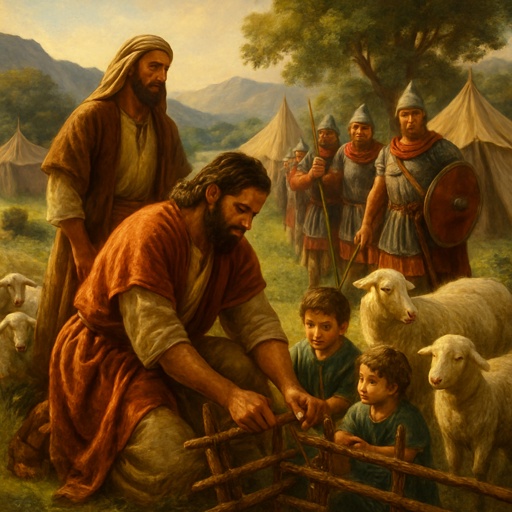
Numbers 32:16-18
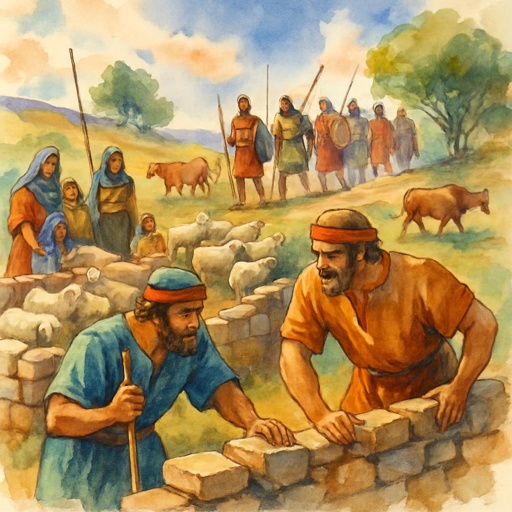
Numbers 32:16-18

Leviticus 16:8

Leviticus 14:32 - "This is the law of him in whom is the plague of leprosy, whose hand is not able to get that which pertaineth to his cleansing."

Leviticus 7:32 - "And the right shoulder shall ye give unto the priest for an heave offering of the sacrifices of your peace offerings."

Leviticus 27:32 - "And concerning the tithe of the herd, or of the flock, even of whatsoever passeth under the rod, the tenth shall be holy unto the LORD."

leviticus 16:7-10

Leviticus 13:32 - "And in the seventh day the priest shall look on the plague: and, behold, if the scall spread not, and there be in it no yellow hair, and the scall be not in sight deeper than the skin;"

Leviticus 21:16 - "¶ And the LORD spake unto Moses, saying,"

Leviticus 19:32 - "¶ Thou shalt rise up before the hoary head, and honour the face of the old man, and fear thy God: I am the LORD."

Isaiah 32:16 - "Then judgment shall dwell in the wilderness, and righteousness remain in the fruitful field."

Leviticus 22:32 - "Neither shall ye profane my holy name; but I will be hallowed among the children of Israel: I am the LORD which hallow you,"

Leviticus 9:16 - "And he brought the burnt offering, and offered it according to the manner."

"And that which remaineth of the flesh and of the bread shall ye burn with fire." - Leviticus 8:32

Ezekiel 16:32 - "But as a wife that committeth adultery, which taketh strangers instead of her husband!"

Acts 16:32 - "And they spake unto him the word of the Lord, and to all that were in his house."

Deuteronomy 32:16 - "They provoked him to jealousy with strange gods, with abominations provoked they him to anger."

Job 32:16 - "When I had waited, (for they spake not, but stood still, and answered no more;)"

Exodus 32:16 - "And the tables were the work of God, and the writing was the writing of God, graven upon the tables."

Leviticus 15:32 - "This is the law of him that hath an issue, and of him whose seed goeth from him, and is defiled therewith;" The image should not depict explicit or offensive content but be symbolic.

Leviticus 4:16 - "And the priest that is anointed shall bring of the bullock's blood to the tabernacle of the congregation:"

Leviticus 11:16 - "And the owl, and the night hawk, and the cuckow, and the hawk after his kind,"

Leviticus 16:25 - "And the fat of the sin offering shall he burn upon the altar."

1 Chronicles 16:32 - "Let the sea roar, and the fulness thereof: let the fields rejoice, and all that is therein."