Anointing for Atonement: The Sacred Act of Cleansing
"And the rest of the oil that is in the priest's hand he shall put upon the head of him that is to be cleansed, to make an atonement for him before the LORD." - Leviticus 14:29
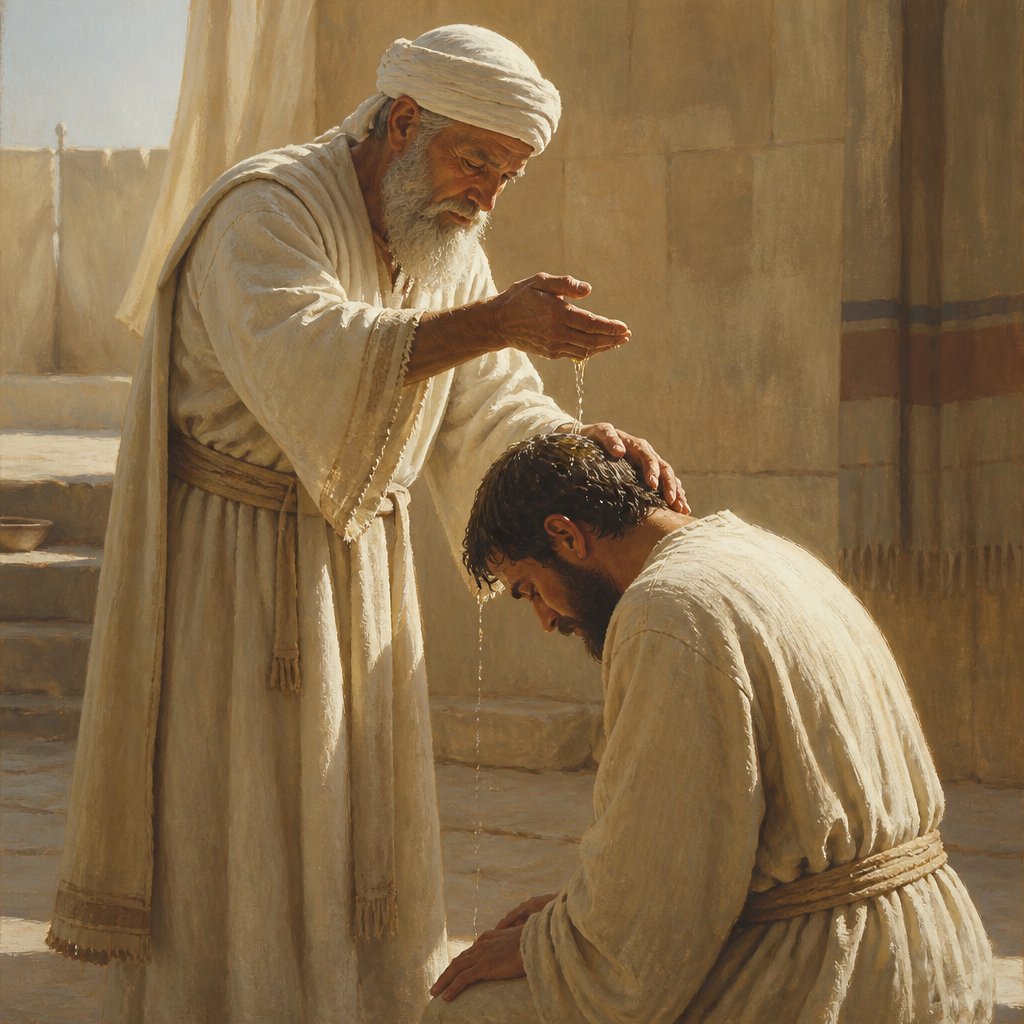
The verse from Leviticus 14:29, "And the rest of the oil that is in the priest's hand he shall put upon the head of him that is to be cleansed, to make an atonement for him before the LORD," carries profound significance within the context of ancient Israelite laws and the overarching narrative of sin, purification, and redemption in the Scriptures. As we explore this verse, we uncover layers of meaning that resonate deeply with our spiritual lives today.
In Leviticus, an entire chapter is dedicated to the regulations concerning leprosy, symbolizing sin and separation from the community and God. The priest plays a crucial mediating role, reflecting the nature of Christ as our High Priest in the New Testament. The act of cleansing is not merely a physical healing; it is indicative of a deeper, spiritual restoration that emphasizes God's commitment to forgive and renew those who have strayed.
The oil mentioned in this verse symbolizes anointing and divine approval. In biblical tradition, oil represents the presence of the Holy Spirit, joy, and sanctification. When the priest applies the oil on the head of the individual being cleansed, it serves as a tangible representation of God’s healing power and restorative grace. The anointing sets this person apart for a new life, much like the anointing of kings and prophets throughout the biblical narrative.
Notably, the phrase "to make an atonement for him before the LORD" is pivotal. Atonement signifies the reconciliation process between humanity and God—something that the sacrificial system sought to address in the Old Testament. The act of anointing with oil not only signifies healing but also underscores the individual's restored standing before God. There is an acknowledgment of sin, but more importantly, there is a declaration of forgiveness and acceptance.
As we reflect on this verse, we can draw parallels to our own lives. We all, at times, find ourselves feeling leprous with sin—isolated, burdened, and in need of healing. The priest's actions in this verse remind us of the importance of community and the role of intercession in the healing process. We must not only seek our own restoration but also be willing to intercede for others. When we pray for those who are spiritual outcasts, when we offer words of encouragement, or when we help carry the burdens of others, we are acting as priests in our communities.
Moreover, the application of the oil is an acknowledgment that the cleansing comes from God alone. We cannot cleanse ourselves through our efforts, for it is the Holy Spirit who works within us, guiding us toward righteousness. Just as the priest was an instrument of God’s healing touch, we must allow ourselves to be vessels for God's grace, sharing His love with those around us.
In a practical sense, we can find comfort in knowing that our past does not dictate our future. Just as the leper was cleansed and restored to the community, so too can we find a fresh start regardless of our previous sins. Our identity is not tied to our failures but to our position as children of God, anointed and set apart for His purpose.
As you meditate on Leviticus 14:29, consider asking God to reveal areas of your life that need His healing touch. Pray for the courage to allow the Holy Spirit to anoint you and cleanse you from all unrighteousness. Recognize that you are called not just to receive healing but to extend it to others, embodying the grace you have received. In God’s eyes, we are all worthy of restoration, cleansed by His love, and anointed to fulfill His purposes in our lives. Thus, let us approach our King with humility and a heart eager for transformation.
Want to reflect more on Leviticus 14:29?
Continue your spiritual journey with Bible Chat — an AI-powered tool for exploring God's Word through conversation. Ask questions, discover connections, and deepen your understanding.
Get Our Apps


Leviticus 14:29 Artwork

Leviticus 14:29 - "And the rest of the oil that is in the priest's hand he shall put upon the head of him that is to be cleansed, to make an atonement for him before the LORD."
"And the rest of the oil that is in the priest's hand he shall put upon the head of him that is to be cleansed, to make an atonement for him before the LORD." - Leviticus 14:29

Leviticus 13:29 - "¶ If a man or woman have a plague upon the head or the beard;"

Leviticus 6:29 - "All the males among the priests shall eat thereof: it is most holy."

Leviticus 14:51

Leviticus 22:29 - "And when ye will offer a sacrifice of thanksgiving unto the LORD, offer it at your own will."

Leviticus 14:55 - "And for the leprosy of a garment, and of a house,"

Leviticus 14:56 - "And for a rising, and for a scab, and for a bright spot:"

John 14:23-29

Jeremiah 29: 4-14

John 14:23-29

Jeremiah 29: 4-14

Jeremiah 29: 4-14

John 14:23-29

Jeremiah 29: 4-14

Jeremiah 29: 4-14

Leviticus 14:1 - "And the LORD spake unto Moses, saying,"

Leviticus 11:14 - "And the vulture, and the kite after his kind;"

Leviticus 5:14 - "¶ And the LORD spake unto Moses, saying,"

Leviticus 23:29 - "For whatsoever soul it be that shall not be afflicted in that same day, he shall be cut off from among his people."

Leviticus 14:54 - "This is the law for all manner of plague of leprosy, and scall,"

Leviticus 8:29 - "And Moses took the breast, and waved it for a wave offering before the LORD: for of the ram of consecration it was Moses' part; as the LORD commanded Moses."

Leviticus 19:29 - "¶ Do not prostitute thy daughter, to cause her to be a whore; lest the land fall to whoredom, and the land become full of wickedness."

Leviticus 18:29 - "For whosoever shall commit any of these abominations, even the souls that commit them shall be cut off from among their people."

Leviticus 4:29 - "And he shall lay his hand upon the head of the sin offering, and slay the sin offering in the place of the burnt offering."

Leviticus 26:14 - "¶ But if ye will not hearken unto me, and will not do all these commandments;"

Leviticus 14:33 - "¶ And the LORD spake unto Moses and unto Aaron, saying,"

Exodus 13:17-14:29
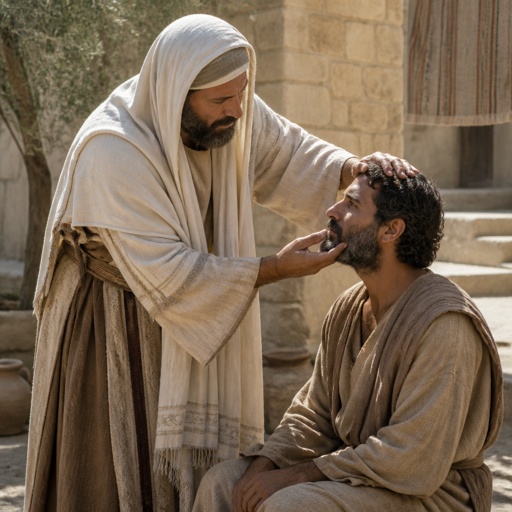
"¶ If a man or woman have a plague upon the head or the beard;" - Leviticus 13:29

Leviticus 14:57 - "To teach when it is unclean, and when it is clean: this is the law of leprosy."