Isolation and Purity: Lessons from Leviticus 13:46
"All the days wherein the plague shall be in him he shall be defiled; he is unclean: he shall dwell alone; without the camp shall his habitation be." - Leviticus 13:46
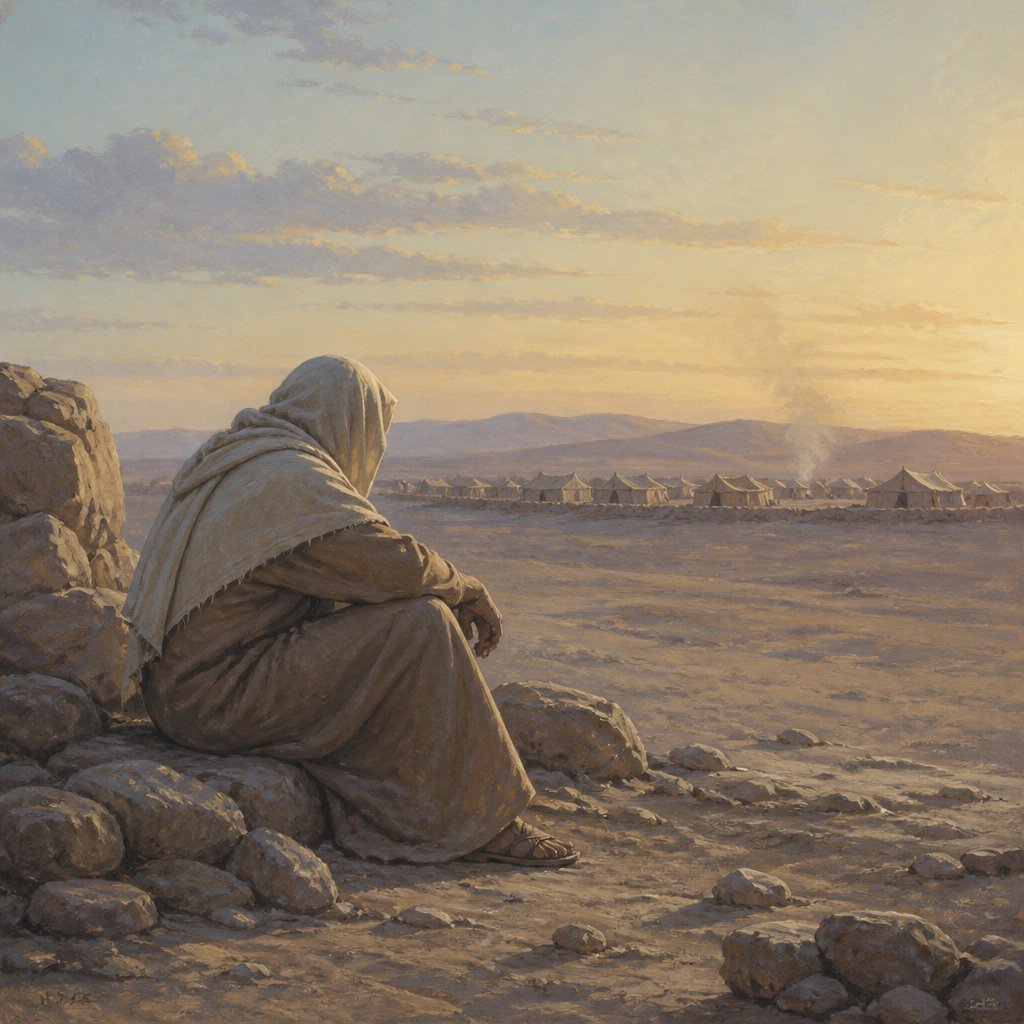
As we delve into the depths of Leviticus 13:46—the verse that states, "All the days wherein the plague shall be in him he shall be defiled; he is unclean: he shall dwell alone; without the camp shall his habitation be"—we find ourselves confronted with the profound implications of purity, community, and the struggle against sin.
In the ancient Hebrew context, this command regarding leprosy was not merely a health regulation; it was deeply intertwined with the spiritual and communal life of the Israelites. Leprosy was seen as a physical manifestation of impurity—something that starkly reminded the people of the holiness of God. To be declared "unclean" carried severe social consequences, leading to isolation from the community. The individual was to dwell alone, “without the camp,” and this enforced solitude was not just a physical separation but also a spiritual one.
The underlying theme of purity and defilement transcends the cultures of ancient Israel and speaks poignantly to our contemporary lives. In our Christian walk, we often face our own ‘plagues,’ whether they manifest as sin, anxiety, guilt, or shame. Just as those afflicted in Leviticus were required to identify themselves as unclean, we too must acknowledge our spiritual state when we stray from God’s intended path. However, unlike the physical affliction of leprosy, which was a visible condition, many modern-day struggles are internal, often hidden from those around us. This concealment can lead to self-isolation, mirroring the separation mandated in Leviticus.
Isolation can be a double-edged sword. At times, stepping back and withdrawing allows us time for reflection and repentance. However, when we withdraw for prolonged periods due to shame or guilt, we may find ourselves in a spiritual wilderness, far from the comfort of God’s community. Hebrews 10:25 encourages us, “Not forsaking the assembling of ourselves together, as the manner of some is; but exhorting one another: and so much the more, as ye see the day approaching.” Just as God commanded the lepers to remain isolated, so too does a life cluttered with unconfessed sin often lead us to experience a self-imposed exile from the body of Christ—the very community designed to support and uplift us in our trials.
Yet within this context of isolation brought forth by our imperfections lies the profound grace of Jesus Christ. In the New Testament, we encounter Jesus, who often reached out to the marginalized and the outcast. He healed lepers not only physically but also restored their place in society. His command was transformational: “Rise and be healed,” but equally important was His directive for them to go and show themselves to the priests as a sign of their restoration (Luke 17:14). We, too, can find healing and a return from our self-imposed spiritual exile through Christ.
The depth of Leviticus 13:46 serves as both a warning and a call to action. We are reminded of the seriousness of sin and its potential to isolate us from God and our community. Yet, more importantly, it points us towards the hope of restoration. When we confess our sins, He is faithful and just to forgive us and cleanse us from all unrighteousness (1 John 1:9). In recognizing our need for Jesus, who is our ultimate healer, we also acknowledge our place within the body of believers where growth and healing can occur.
As you meditate on this verse, consider your own life. Are there areas where you might be feeling isolated? Have you allowed the ‘plague’ of sin to lead you away from fellowship and community? God invites you back into His fold, assuring you that no matter your past, His grace is sufficient for you. Embrace the community with open arms, for it is in the sharing of burdens that healing and restoration can truly take place. And just like the leper who was healed, don’t forget to share the testimony of God’s goodness with others—bringing them hope and encouragement as you walk this journey together.
Want to reflect more on Leviticus 13:46?
Continue your spiritual journey with Bible Chat — an AI-powered tool for exploring God's Word through conversation. Ask questions, discover connections, and deepen your understanding.
Get Our Apps


Leviticus 13:46 Artwork

Leviticus 13:46 - "All the days wherein the plague shall be in him he shall be defiled; he is unclean: he shall dwell alone; without the camp shall his habitation be."
"All the days wherein the plague shall be in him he shall be defiled; he is unclean: he shall dwell alone; without the camp shall his habitation be." - Leviticus 13:46

Leviticus 11:46 - "This is the law of the beasts, and of the fowl, and of every living creature that moveth in the waters, and of every creature that creepeth upon the earth:"

Leviticus 26:46 - "These are the statutes and judgments and laws, which the LORD made between him and the children of Israel in mount Sinai by the hand of Moses."

Genesis 46:13 - "¶ And the sons of Issachar; Tola, and Phuvah, and Job, and Shimron."

"¶ And the sons of Issachar; Tola, and Phuvah, and Job, and Shimron." - Genesis 46:13

Jeremiah 46:13 - "¶ The word that the LORD spake to Jeremiah the prophet, how Nebuchadrezzar king of Babylon should come and smite the land of Egypt."
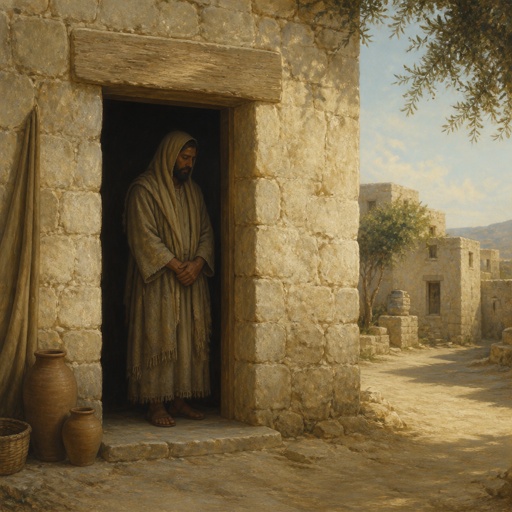
"Moreover he that goeth into the house all the while that it is shut up shall be unclean until the even." - Leviticus 14:46

Matthew 13:46 - "Who, when he had found one pearl of great price, went and sold all that he had, and bought it."

Ezekiel 46:13 - "Thou shalt daily prepare a burnt offering unto the LORD of a lamb of the first year without blemish: thou shalt prepare it every morning."

"This is the law of the beasts, and of the fowl, and of every living creature that moveth in the waters, and of every creature that creepeth upon the earth:" - Leviticus 11:46

Isaiah 46:13 - "I bring near my righteousness; it shall not be far off, and my salvation shall not tarry: and I will place salvation in Zion for Israel my glory."

Leviticus 24:13 - "And the LORD spake unto Moses, saying,"
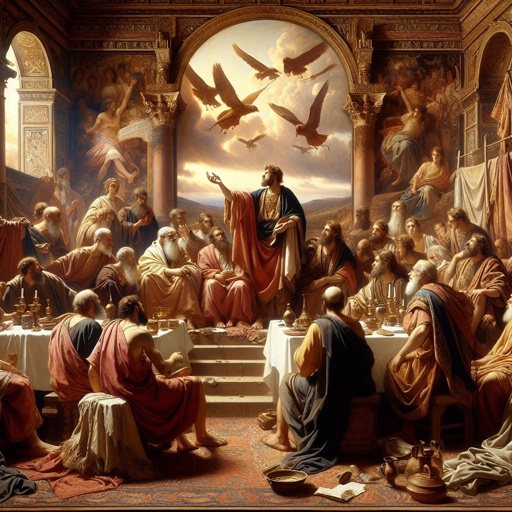
Leviticus 25:46 - "And ye shall take them as an inheritance for your children after you, to inherit them for a possession; they shall be your bondmen for ever: but over your brethren the children of Israel, ye shall not rule one over another with rigour."

Leviticus 21:13 - "And he shall take a wife in her virginity."

Leviticus 13:1 - "And the LORD spake unto Moses and Aaron, saying,"

Leviticus 13:35 - "But if the scall spread much in the skin after his cleansing;"

Leviticus 13:29 - "¶ If a man or woman have a plague upon the head or the beard;"

Leviticus 13:18 - "¶ The flesh also, in which, even in the skin thereof, was a boil, and is healed,"

Leviticus 13:14 - "But when raw flesh appeareth in him, he shall be unclean."
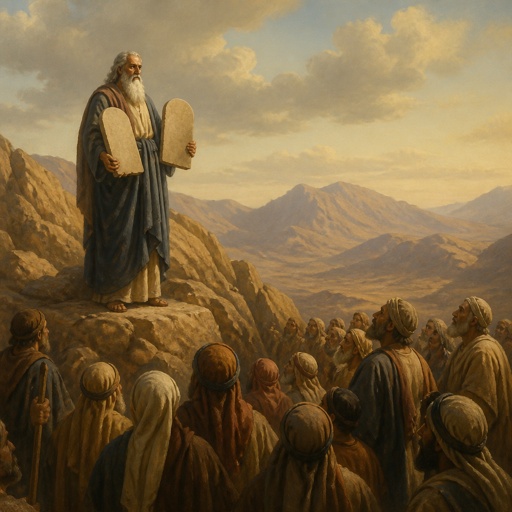
"These are the statutes and judgments and laws, which the LORD made between him and the children of Israel in mount Sinai by the hand of Moses." - Leviticus 26:46

Leviticus 13:47 - "¶ The garment also that the plague of leprosy is in, whether it be a woollen garment, or a linen garment;"

Leviticus 13:9 - "¶ When the plague of leprosy is in a man, then he shall be brought unto the priest;"

Leviticus 13:22 - "And if it spread much abroad in the skin, then the priest shall pronounce him unclean: it is a plague."

Leviticus 25:13 - "In the year of this jubile ye shall return every man unto his possession."

Leviticus 6:13 - "The fire shall ever be burning upon the altar; it shall never go out."

Leviticus 13:19 - "And in the place of the boil there be a white rising, or a bright spot, white, and somewhat reddish, and it be shewed to the priest;"

Leviticus 13:48 - "Whether it be in the warp, or woof; of linen, or of woollen; whether in a skin, or in any thing made of skin;"

Leviticus 13:50 - "And the priest shall look upon the plague, and shut up it that hath the plague seven days:"

Leviticus 13:13 - "Then the priest shall consider: and, behold, if the leprosy have covered all his flesh, he shall pronounce him clean that hath the plague: it is all turned white: he is clean."