Embracing Our Vulnerabilities: A Reflection on Leviticus 13:40
"And the man whose hair is fallen off his head, he is bald; yet is he clean." - Leviticus 13:40
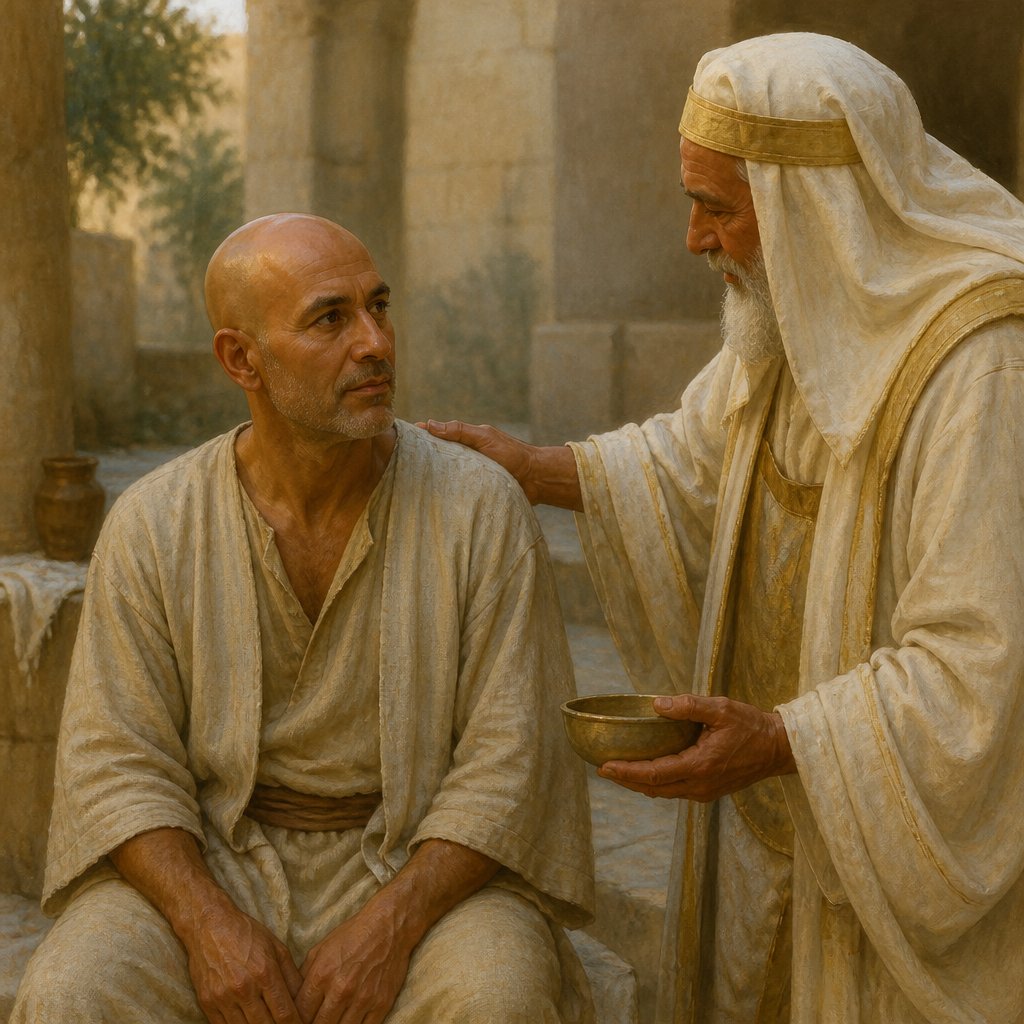
In the intricate tapestry of the Bible, Leviticus 13:40 stands out not as a mere health instruction but as a profound personal testimony about identity, acceptance, and divine perception. The verse states, "And the man whose hair is fallen off his head, he is bald; yet is he clean." At first glance, this verse may seem archaic, rooted in ancient practices surrounding cleanliness and ritual. However, it invites us into a deeper understanding of how God views our vulnerabilities.
In the context of Leviticus, we see a society that emphasizes ritual purity, where physical appearances were often equated with spiritual status. The chapter speaks predominantly about leprosy and its implications, but here, the mention of baldness introduces an unexpected clarity. God, through Moses, reassures the people that losing hair—something often viewed as a mark of aging, loss of vitality, or even shame—does not render a person unclean. Instead, it indicates that we are more than our physical appearance; we are ultimately defined by our intrinsic worth and God’s love.
Every individual, regardless of their state of hair, is acknowledged in this verse. Baldness can symbolize vulnerability or helplessness, yet God’s declaration that the bald man is "clean" serves as a powerful reminder that our true purity is not contingent upon outward appearance but lies in our relationship with Him. In a world often preoccupied with image, where media bombards us with ideals of beauty, this declaration speaks a revolutionary truth: vulnerability does not equate to inferiority. It is essential to understand how God perceives clean hearts rather than unblemished hair.
For many, hair loss can carry emotional weight; it may evoke feelings of inadequacy or fear of not fitting into societal norms. Yet, God offers an alternative perspective. The bald man represents all of us who carry our struggles—whether they are wounds inflicted by life circumstances, sin, or the harsh judgments of others. In our society, perfectionism often sidelines those who appear imperfect. However, this passage teaches us that God embraces our flaws.
Let us reflect on our vulnerabilities. What aspects of our lives do we wish to hide? What insecurities eat away at our confidence? Are you like the bald man, feeling exposed or inadequately defined by the world’s standards? In these moments of vulnerability, recall that God's assessment of our worth is detached from any earthly measure. He sees beyond the surface. While society may point fingers or judge us based on appearance, God calls us clean. He loves us not for our attributes but for our hearts.
Moreover, this verse shows how God wishes to guide His people toward a community where acceptance reigns. Encouraging one another becomes essential as we navigate our vulnerabilities. We are called not only to recognize our states but also to extend grace and support to others. Acknowledging that we are all walking along roads roughened by life, we’re reminded that each of us struggles in various ways. Embracing one another in love, regardless of our physical or spiritual shortcomings, reflects the heart of God’s community.
As we meditate on Leviticus 13:40, let it challenge us to base our identities less on external criteria and more on the eternal truth that we are deemed clean by God’s grace, whether we are bald or not. In a world that often promotes shame for our struggles, let us strive to be vessels of acceptance and love, encouraging one another to see beyond the physical and grasp the beauty of the soul. Let us extend an invitation to others to find their worth in Christ, basking in the truth that in His eyes, we are all distinctly clean and loved.
Want to reflect more on Leviticus 13:40?
Continue your spiritual journey with Bible Chat — an AI-powered tool for exploring God's Word through conversation. Ask questions, discover connections, and deepen your understanding.
Get Our Apps


Leviticus 13:40 Artwork

Leviticus 13:40 - "And the man whose hair is fallen off his head, he is bald; yet is he clean."
"And the man whose hair is fallen off his head, he is bald; yet is he clean." - Leviticus 13:40

Leviticus 25:40 - "But as an hired servant, and as a sojourner, he shall be with thee, and shall serve thee unto the year of jubile:"

Leviticus 14:40 - "Then the priest shall command that they take away the stones in which the plague is, and they shall cast them into an unclean place without the city:"

Leviticus 26:40 - "If they shall confess their iniquity, and the iniquity of their fathers, with their trespass which they trespassed against me, and that also they have walked contrary unto me;"

Job 40:13 - "Hide them in the dust together; and bind their faces in secret."

Acts 13:40 - "Beware therefore, lest that come upon you, which is spoken of in the prophets;"

Matthew 13:40 - "As therefore the tares are gathered and burned in the fire; so shall it be in the end of this world."

the jewish holidays mentioned in leviticus 23:1 until 23:40 combined in one picture,

Psalms 40:13 - "Be pleased, O LORD, to deliver me: O LORD, make haste to help me."

Leviticus 11:40 - "And he that eateth of the carcase of it shall wash his clothes, and be unclean until the even: he also that beareth the carcase of it shall wash his clothes, and be unclean until the even."

Jeremiah 40:13 - "¶ Moreover Johanan the son of Kareah, and all the captains of the forces that were in the fields, came to Gedaliah to Mizpah,"

the jewish holidays mentioned in leviticus 23:1 until 23:40 combined in one picture, with hebrew names in hebrew charactes

Leviticus 24:13 - "And the LORD spake unto Moses, saying,"

Leviticus 21:13 - "And he shall take a wife in her virginity."

Leviticus 13:1 - "And the LORD spake unto Moses and Aaron, saying,"

Leviticus 13:35 - "But if the scall spread much in the skin after his cleansing;"

Leviticus 13:29 - "¶ If a man or woman have a plague upon the head or the beard;"

Leviticus 23:40 - "And ye shall take you on the first day the boughs of goodly trees, branches of palm trees, and the boughs of thick trees, and willows of the brook; and ye shall rejoice before the LORD your God seven days."

Leviticus 13:18 - "¶ The flesh also, in which, even in the skin thereof, was a boil, and is healed,"
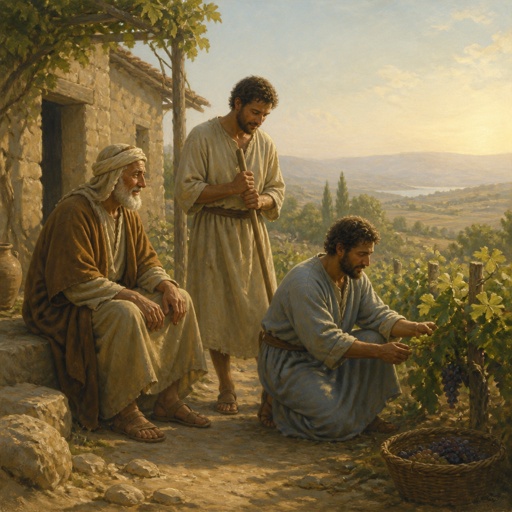
"But as an hired servant, and as a sojourner, he shall be with thee, and shall serve thee unto the year of jubile:" - Leviticus 25:40

Leviticus 13:14 - "But when raw flesh appeareth in him, he shall be unclean."

Isaiah 40:13 - "Who hath directed the Spirit of the LORD, or being his counsellor hath taught him?" respectful, symbolic bible verse art

Ezekiel 40:13 - "He measured then the gate from the roof of one little chamber to the roof of another: the breadth was five and twenty cubits, door against door."
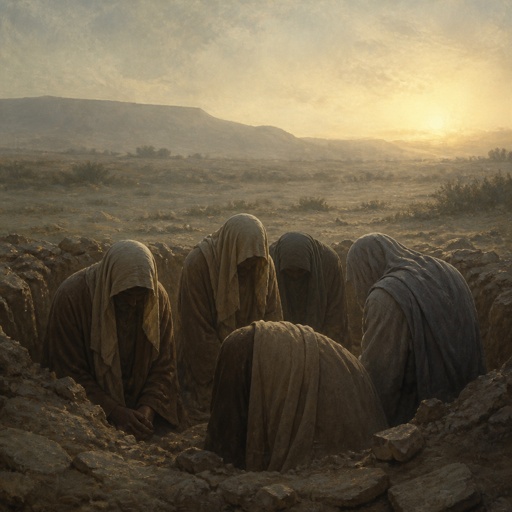
"Hide them in the dust together; and bind their faces in secret." - Job 40:13

Leviticus 13:47 - "¶ The garment also that the plague of leprosy is in, whether it be a woollen garment, or a linen garment;"

Leviticus 13:9 - "¶ When the plague of leprosy is in a man, then he shall be brought unto the priest;"
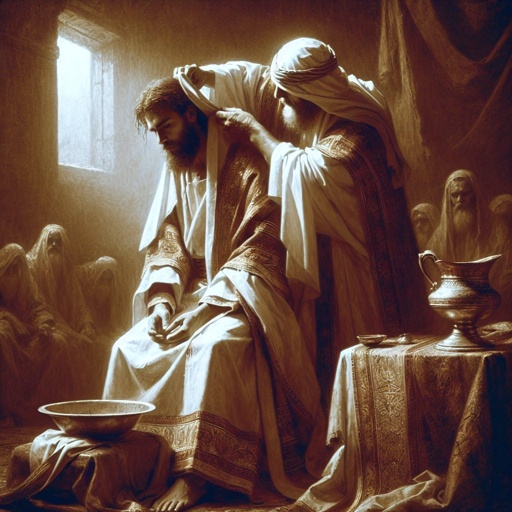
Exodus 40:13 - "And thou shalt put upon Aaron the holy garments, and anoint him, and sanctify him; that he may minister unto me in the priest's office."

Leviticus 13:22 - "And if it spread much abroad in the skin, then the priest shall pronounce him unclean: it is a plague."

Leviticus 25:13 - "In the year of this jubile ye shall return every man unto his possession."