The Weight of Sacred Obedience: Lessons from Leviticus 10:18
"Behold, the blood of it was not brought in within the holy place: ye should indeed have eaten it in the holy place, as I commanded." - Leviticus 10:18

As we delve into the intricacies of Leviticus 10:18, we encounter a solemn moment in the life of the Israelites and their worship practices. The verse reads: "Behold, the blood of it was not brought in within the holy place: ye should indeed have eaten it in the holy place, as I commanded." This directive, given to Aaron, the high priest, following the tragic death of his sons Nadab and Abihu, serves as a profound reminder of the importance of obedience in our relationship with God.
To comprehend the weight of this verse, we must consider its context. The chapters leading up to this moment describe the establishment of the priesthood and the systems of sacrifice meant to maintain purity among God's people. The blood of sacrifices symbolized atonement, a critical aspect of the Israelites' covenant relationship with God. The consumption of the sacrifice in the holy place was not merely a ritual but a communion with God, meant to signify acceptance, intimacy, and obedience. However, Nadab and Abihu had strayed from God’s explicit instructions, resulting in their tragic end—a testament to the seriousness with which God regards His commands.
Aaron's response to God in this moment reveals a significant tension: mourning the loss of his sons while also attending to the sacred duties entrusted to him. God’s directive serves as a reminder that even in sorrow, God's holiness cannot be compromised. The blood that was not brought into the holy place represented a desecration of a holy act, one that compromised the very essence of what it meant to be in covenant with the Almighty.
In our contemporary walk with Christ, this verse draws attention to the necessity of obedience in our spiritual lives. We live under grace, not under the Law, but that does not diminish what God calls us to in terms of holiness and reverence. Just as Israel was accountable for how they worshipped, we too bear the responsibility to seek God earnestly, approaching Him with hearts aligned to His will. It poses an important question: Are we following God's commands, or are we creating a version of worship that suits our preferences?
Moreover, this passage speaks volumes to the concept of sacrifice. The blood of the sacrifice is a foreshadowing of the ultimate sacrifice of Christ—a sacrifice that was accepted. As believers, we are called to present ourselves as living sacrifices (Romans 12:1), engaging in acts of worship that are pleasing and holy before the Lord. This is where the instructions of Leviticus echo in our hearts; our lives should reflect an adherence to God’s commands, where our worship is expressed through our actions and our sincere devotion.
Furthermore, Leviticus teaches us about the seriousness of reverence in worship. The fact that the blood of the sacrifice was not treated with the honor it deserved resulted in a stark reminder to Aaron that God’s communication is not casual; it carries weight and demands respect. In our worship, we must also engage in reverence—understanding that when we worship or serve, we are doing so in recognition of God’s holy nature.
As we reflect on Leviticus 10:18, let us not take lightly the call to obedience, sacrifice, and reverence in our daily lives. This verse anchors us in the reality that God's commands are not mere suggestions but vital instructions that shape our covenant relationship with Him. May we approach our worship with intention and humility, ensuring that, like Aaron, we rightly honor the holiness of God and carry the blood of Christ, our ultimate sacrifice, into every aspect of our lives.
Want to reflect more on Leviticus 10:18?
Continue your spiritual journey with Bible Chat — an AI-powered tool for exploring God's Word through conversation. Ask questions, discover connections, and deepen your understanding.
Get Our Apps


Leviticus 10:18 Artwork

Leviticus 10:18 - "Behold, the blood of it was not brought in within the holy place: ye should indeed have eaten it in the holy place, as I commanded."
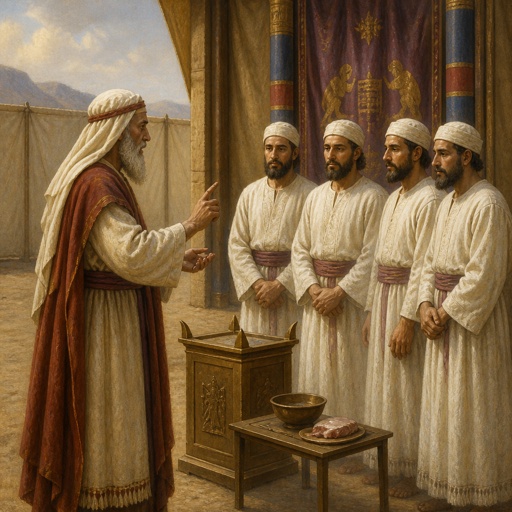
"Behold, the blood of it was not brought in within the holy place: ye should indeed have eaten it in the holy place, as I commanded." - Leviticus 10:18

Leviticus 18:10 - "The nakedness of thy son's daughter, or of thy daughter's daughter, even their nakedness thou shalt not uncover: for their's is thine own nakedness."

Leviticus 11:18 - "And the swan, and the pelican, and the gier eagle,"

Leviticus 18:1 - "And the LORD spake unto Moses, saying,"

Leviticus 18:22 - "Thou shalt not lie with mankind, as with womankind: it is abomination."

Leviticus 10:10 - "And that ye may put difference between holy and unholy, and between unclean and clean;"

"The nakedness of thy son's daughter, or of thy daughter's daughter, even their nakedness thou shalt not uncover: for their's is thine own nakedness." - Leviticus 18:10

leviticus 16:7-10

Leviticus 18:18 - "Neither shalt thou take a wife to her sister, to vex her, to uncover her nakedness, beside the other in her life time."

Leviticus 13:18 - "¶ The flesh also, in which, even in the skin thereof, was a boil, and is healed,"

Leviticus 24:18 - "And he that killeth a beast shall make it good; beast for beast."

Leviticus 10:20 - "And when Moses heard that, he was content."

Leviticus 10:8 - "¶ And the LORD spake unto Aaron, saying,"

Leviticus 18:16 - "Thou shalt not uncover the nakedness of thy brother's wife: it is thy brother's nakedness."

Leviticus 18:8 - "The nakedness of thy father's wife shalt thou not uncover: it is thy father's nakedness."

"And the swan, and the pelican, and the gier eagle," - Leviticus 11:18

Leviticus 18:20 - "Moreover thou shalt not lie carnally with thy neighbour's wife, to defile thyself with her."

Leviticus 18:2 - "Speak unto the children of Israel, and say unto them, I am the LORD your God."

"And the LORD spake unto Moses, saying," - Leviticus 18:1

Leviticus 18:12 - "Thou shalt not uncover the nakedness of thy father's sister: she is thy father's near kinswoman."

Leviticus 18:27 - "(For all these abominations have the men of the land done, which were before you, and the land is defiled;)"

Leviticus 18:13 - "Thou shalt not uncover the nakedness of thy mother's sister: for she is thy mother's near kinswoman."

Luke 10:18-19

Luke 10:18-19

Luke 10:18-19

Luke 10:18-19

Luke 10:18-19

Luke 10:18-19

Leviticus 18:6 - "¶ None of you shall approach to any that is near of kin to him, to uncover their nakedness: I am the LORD."