The Weight of Iniquity: Divine Justice through Suffering
"For the punishment of the iniquity of the daughter of my people is greater than the punishment of the sin of Sodom, that was overthrown as in a moment, and no hands stayed on her." - Lamentations 4:6
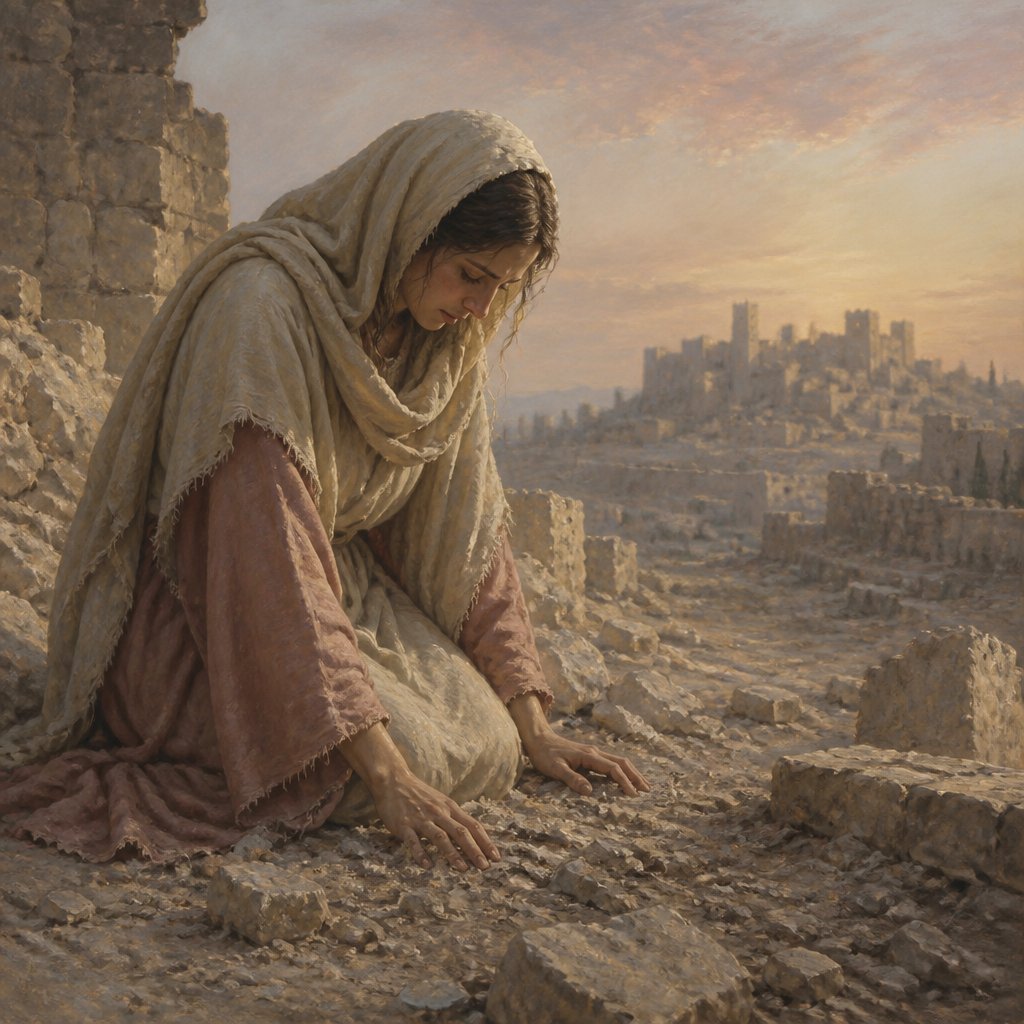
In the heart-wrenching book of Lamentations, we encounter the profound sorrow of the Prophet Jeremiah as he laments the dire conditions faced by Jerusalem and its inhabitants. Among the stark declarations of grief and mourning, the verse Lamentations 4:6 stands out with chilling clarity: "For the punishment of the iniquity of the daughter of my people is greater than the punishment of the sin of Sodom, that was overthrown as in a moment, and no hands stayed on her."
As we meditate on this verse, we must first grasp the gravity of the situation Jeremiah is addressing. The fall of Jerusalem, the destruction of the temple, and the exile of its people were not mere historical events; they were the consequences of the iniquity that had taken root in the hearts of God’s chosen. Jeremiah draws a striking comparison between the fate of Sodom and that of Jerusalem. Sodom, known for its egregious sins, faced swift destruction—an event that seemed almost abrupt, coming as it did by divine judgment. In contrast, the punishment of Jerusalem was prolonged, highlighted by suffering, degradation, and relentless agony.
This difference serves as a sobering reminder that the seriousness of iniquity often invites an equally profound consequence. While Sodom was destroyed in an instant, the punishment of Jerusalem reflects the depth of its rebellion against God. God's chosen people were privy to His laws and commandments—covenantal relationship that still bore the weight of divine responsibility. Their transgressions held a more significant consequence because they were fully aware of the standards set before them.
Jeremiah’s lament resonates on multiple levels, particularly in our understanding of justice and mercy. The scriptures tell us that God is just, and His judgment must be viewed in light of His holiness. When we engage in sin, we often perceive it through a distorted lens; we may minimize its consequences. However, the reality that Jeremiah presents is that persistent iniquity leads to a cumulative weight of judgment, one that envelops not only the individual sinner but also their surrounding community. The "daughter of my people," the identity and fate of the collective, is interwoven into this message, pointing towards a shared destiny that we must acknowledge.
Reflecting on this, we come to a poignant realization: we too live in a time and culture that often dismisses sin and perpetuates iniquity. As in the days of Jeremiah, we may observe a widespread defiance against God’s righteousness in our communities. This is a clarion call to introspection. Each of us must ask ourselves, what is the iniquity that pervades our hearts and our society? How does our pursuit of self-interest or indifference to righteousness contribute to an environment that could face similar reckoning?
Yet, in this acknowledgment of sin, we find a glimmer of hope in understanding God’s character. While the punishment may be severe, it stems from a desire for restoration rather than destruction. Just as Jeremiah poured out his grief, he also exemplified a deep yearning for reconciliation—this was not just a lament for lost glory but a vision for a renewed people under God’s steadfast love. We can take heart in knowing that the story does not end in judgment.
Ultimately, the message of Lamentations serves as an urgent reminder to lead lives reflective of God’s righteousness, understanding that we, who are privy to His truth, walk a path rich with His grace and heavy with responsibility. Drawing close to God's heart during periods of instability and uncertainty, we find strength in repentance. In humility, we can pray for mercy, seeking the restoration of not just our lives, but also our communities, echoing Jeremiah's cry for healing and revival within the "daughter of my people." Let this be a time for reflection and a return back to the heart of God, recognizing the depth of His mercy even in the weight of our iniquity.
Want to reflect more on Lamentations 4:6?
Continue your spiritual journey with Bible Chat — an AI-powered tool for exploring God's Word through conversation. Ask questions, discover connections, and deepen your understanding.
Get Our Apps


Lamentations 4:6 Artwork

Lamentations 4:6 - "For the punishment of the iniquity of the daughter of my people is greater than the punishment of the sin of Sodom, that was overthrown as in a moment, and no hands stayed on her."
"For the punishment of the iniquity of the daughter of my people is greater than the punishment of the sin of Sodom, that was overthrown as in a moment, and no hands stayed on her." - Lamentations 4:6

Lamentations 5:6 - "We have given the hand to the Egyptians, and to the Assyrians, to be satisfied with bread."

Lamentations 3:6 - "He hath set me in dark places, as they that be dead of old."

Lamentations 4:4 - "The tongue of the sucking child cleaveth to the roof of his mouth for thirst: the young children ask bread, and no man breaketh it unto them."

Lamentations 4:5 - "They that did feed delicately are desolate in the streets: they that were brought up in scarlet embrace dunghills."

Lamentations 5:4 - "We have drunken our water for money; our wood is sold unto us."

Lamentations 4:13 - "¶ For the sins of her prophets, and the iniquities of her priests, that have shed the blood of the just in the midst of her,"

Lamentations 4:9 - "They that be slain with the sword are better than they that be slain with hunger: for these pine away, stricken through for want of the fruits of the field."

Lamentations 4:2 - "The precious sons of Zion, comparable to fine gold, how are they esteemed as earthen pitchers, the work of the hands of the potter!"

Lamentations 4:10 - "The hands of the pitiful women have sodden their own children: they were their meat in the destruction of the daughter of my people."

Lamentations 3:4 - "My flesh and my skin hath he made old; he hath broken my bones."

Lamentations 4:8 - "Their visage is blacker than a coal; they are not known in the streets: their skin cleaveth to their bones; it is withered, it is become like a stick."

Lamentations 4:16 - "The anger of the LORD hath divided them; he will no more regard them: they respected not the persons of the priests, they favoured not the elders."

Lamentations 4:14 - "They have wandered as blind men in the streets, they have polluted themselves with blood, so that men could not touch their garments."

Lamentations 4:19 - "Our persecutors are swifter than the eagles of the heaven: they pursued us upon the mountains, they laid wait for us in the wilderness."

Lamentations 4:12 - "The kings of the earth, and all the inhabitants of the world, would not have believed that the adversary and the enemy should have entered into the gates of Jerusalem."

Lamentations 4:1 - "How is the gold become dim! how is the most fine gold changed! the stones of the sanctuary are poured out in the top of every street."
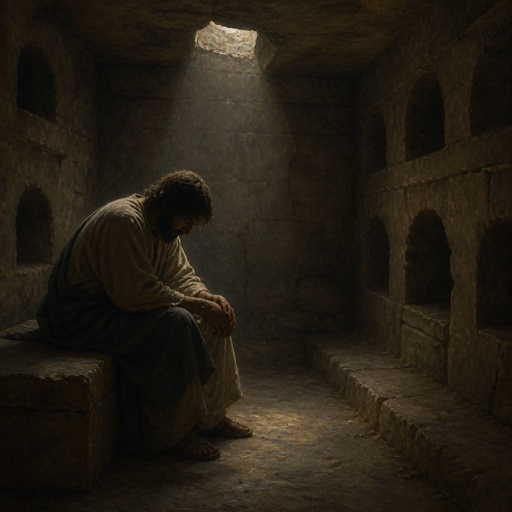
"He hath set me in dark places, as they that be dead of old." - Lamentations 3:6

"We have given the hand to the Egyptians, and to the Assyrians, to be satisfied with bread." - Lamentations 5:6

Lamentations 4:17 - "As for us, our eyes as yet failed for our vain help: in our watching we have watched for a nation that could not save us."

Lamentations 4:18 - "They hunt our steps, that we cannot go in our streets: our end is near, our days are fulfilled; for our end is come."

Lamentations 1:4 The roads to Zion mourn, for no one comes to her appointed festivals.

Lamentations 1:6 - "And from the daughter of Zion all her beauty is departed: her princes are become like harts that find no pasture, and they are gone without strength before the pursuer."

Lamentations 1:4 The roads to Zion mourn, for no one comes to her appointed festivals.

Lamentations 1:4 The roads to Zion mourn, for no one comes to her appointed festivals.

Lamentations 1:6 Her princes are like deer that find no pasture; in weakness they have fled before the pursuer.

Lamentations 4:7 - "Her Nazarites were purer than snow, they were whiter than milk, they were more ruddy in body than rubies, their polishing was of sapphire:"

Lamentations 4:3 - "Even the sea monsters draw out the breast, they give suck to their young ones: the daughter of my people is become cruel, like the ostriches in the wilderness."

Lamentations 4:20 - "The breath of our nostrils, the anointed of the LORD, was taken in their pits, of whom we said, Under his shadow we shall live among the heathen."