The Weight of Evil: Understanding Divine Justice
"And all the evil of the men of Shechem did God render upon their heads: and upon them came the curse of Jotham the son of Jerubbaal." - Judges 9:57
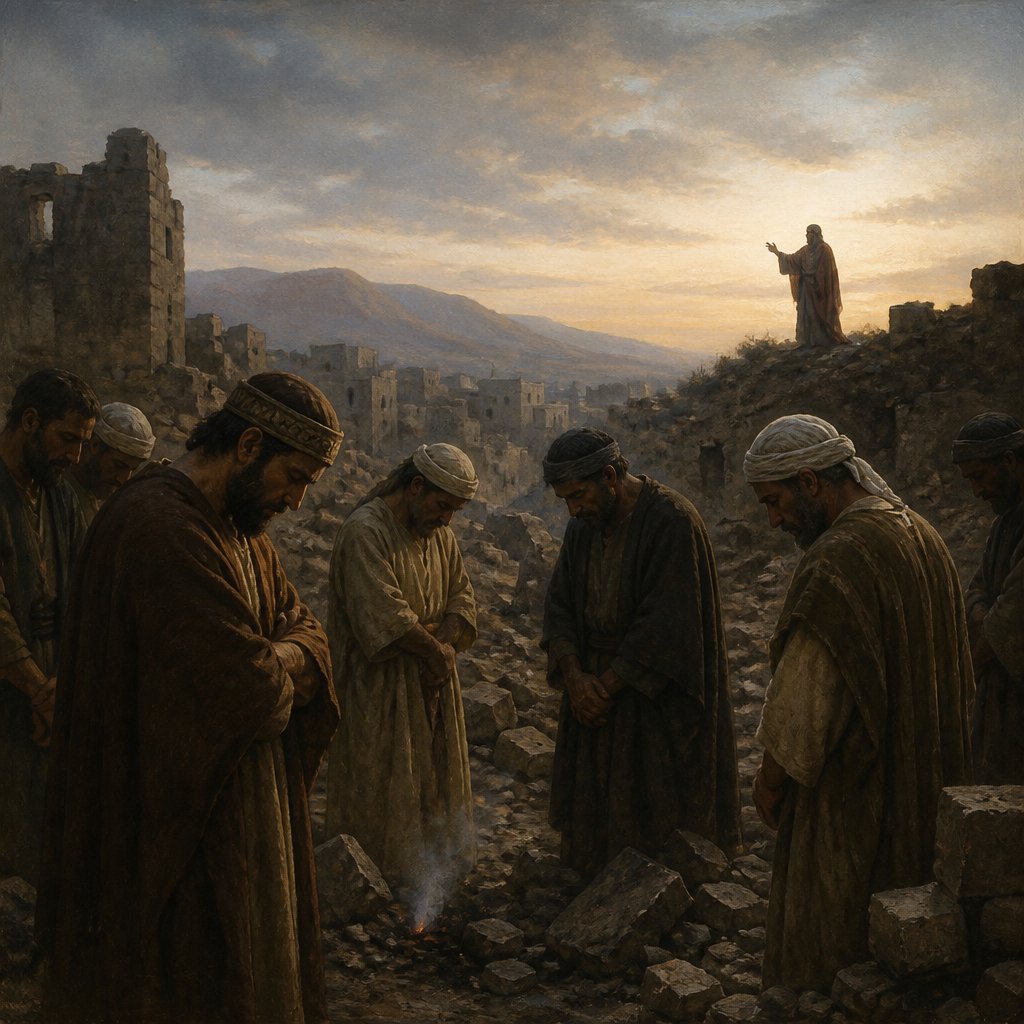
Judges 9:57 (KJV) states, "And all the evil of the men of Shechem did God render upon their heads: and upon them came the curse of Jotham the son of Jerubbaal." This verse serves as a sobering reminder of the inevitable consequences of our actions, especially in the context of disobedience and dishonesty.
Jotham, the youngest son of Gideon, is often overshadowed by the tragic events that transpired following the demise of his brothers at the hands of Abimelech, his half-brother. In a poignant parable delivered from a mountaintop, Jotham ironized the people’s desire for a king and their disregard for divine monarchy. He warned them of the repercussions of their choices—a warning ignored, leading to dire consequences.
The phrase "all the evil of the men of Shechem" encapsulates the broader implications of communal wrongdoing. In the biblical narrative, Shechem is portrayed as a community that chose treachery over loyalty, siding with Abimelech against Jotham and his father's legacy. Their actions, driven by ambition and betrayal, culminated in a series of events that brought about divine retribution.
Divine justice is a recurring theme throughout Scripture, and Judges 9:57 is a significant case study in this regard. One intrinsic quality of God is His righteousness; He does not overlook sin. Instead, justice requires accountability. While modern society often seeks to sidestep consequences, assuming that actions can be dismissed or forgotten, God’s justice underscores that no evil deed goes unpunished.
For the men of Shechem, their treachery against Jotham was not only an affront to him but also a direct rebellion against God’s appointed order. They sought a king in their own image rather than awaiting the Lord’s guidance, which led to their eventual downfall. This response from God serves as a reminder that every choice has a ripple effect, not just on our lives but also within our communities. The men of Shechem received the righteousness of God’s judgment, as their sins came back upon them. It is pivotal to recognize the gravity of collective actions and decisions in our lives.
However, Jotham's curse adds another layer to this narrative. Jotham's prophetic warning resonates with a dual emphasis on justice and mercy. It is a call to introspection and acknowledgment of our missteps. Within that curse lies the undercurrent of a chance for repentance. God's warnings are often accompanied by opportunities to return to Him; through Jotham's words, the men of Shechem were exposed to the grim reality of their choices, leaving room for them to turn back to righteousness.
As believers today, we must grapple with the weight of our decisions, realizing that God’s justice operates within the framework of His unwavering love. While the men of Shechem fell victim to their machinations, we are presented with the option of confession and restoration through Christ Jesus. The beauty of the Gospel is that even when we stray, there exists a pathway back to grace through repentance.
Furthermore, we should dwell on the collective responsibility we have as the body of Christ. We are called to uphold righteousness not just in our individual lives, but collectively as a community of faith. The men of Shechem remind us that neglecting our duties to protect and support one another can lead us down paths of destruction. It prompts us to engage in conversations that may strengthen our spiritual fabric—embracing accountability and love amongst ourselves, so we may reflect God’s justice in our actions.
In conclusion, Judges 9:57 is more than just a historical recount; it is a timeless warning about the repercussions of our actions, the nature of divine justice, and the beautifully disturbing opportunity of divine mercy. Let us be vigilant, introspective, and supportive within our Christian community so that we can collectively avoid the pitfalls experienced by Shechem, ensuring our lives reflect the righteousness and grace of God.
Want to reflect more on Judges 9:57?
Continue your spiritual journey with Bible Chat — an AI-powered tool for exploring God's Word through conversation. Ask questions, discover connections, and deepen your understanding.
Get Our Apps


Judges 9:57 Artwork

Judges 9:57 - "And all the evil of the men of Shechem did God render upon their heads: and upon them came the curse of Jotham the son of Jerubbaal."
"And all the evil of the men of Shechem did God render upon their heads: and upon them came the curse of Jotham the son of Jerubbaal." - Judges 9:57

Luke 12:57 - "Yea, and why even of yourselves judge ye not what is right?"
"Yea, and why even of yourselves judge ye not what is right?" - Luke 12:57

Psalms 57:9 - "I will praise thee, O Lord, among the people: I will sing unto thee among the nations."

Luke 9:57 - "¶ And it came to pass, that, as they went in the way, a certain man said unto him, Lord, I will follow thee whithersoever thou goest."

Isaiah 57:9 - "And thou wentest to the king with ointment, and didst increase thy perfumes, and didst send thy messengers far off, and didst debase thyself even unto hell."

Judges 9:8-15
"I will praise thee, O Lord, among the people: I will sing unto thee among the nations." - Psalms 57:9

Judges 9:50 - "¶ Then went Abimelech to Thebez, and encamped against Thebez, and took it."

Judges 9:22 - "¶ When Abimelech had reigned three years over Israel,"

Judges 15:9 - "¶ Then the Philistines went up, and pitched in Judah, and spread themselves in Lehi."

Judges 9:39 - "And Gaal went out before the men of Shechem, and fought with Abimelech."

Judges 21:9 - "For the people were numbered, and, behold, there were none of the inhabitants of Jabesh-gilead there."

Judges 9:10 - "And the trees said to the fig tree, Come thou, and reign over us."

Judges 9:42 - "And it came to pass on the morrow, that the people went out into the field; and they told Abimelech."

Judges 9:12 - "Then said the trees unto the vine, Come thou, and reign over us."

Judges 9:47 - "And it was told Abimelech, that all the men of the tower of Shechem were gathered together."

Psalms 98:9 - "Before the LORD; for he cometh to judge the earth: with righteousness shall he judge the world, and the people with equity."

Judges 9:9 - "But the olive tree said unto them, Should I leave my fatness, wherewith by me they honour God and man, and go to be promoted over the trees?"
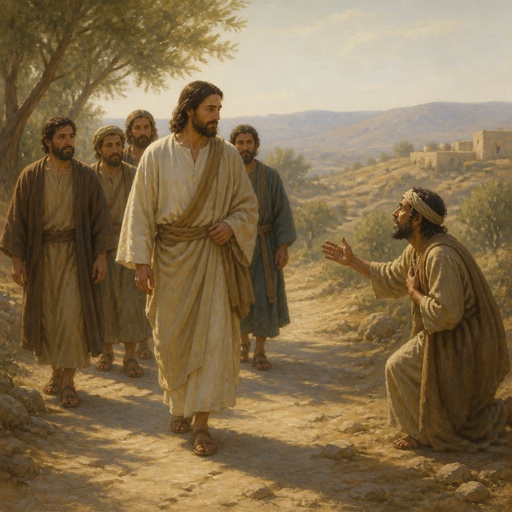
"¶ And it came to pass, that, as they went in the way, a certain man said unto him, Lord, I will follow thee whithersoever thou goest." - Luke 9:57

Judges 9:32 - "Now therefore up by night, thou and the people that is with thee, and lie in wait in the field:"

Judges 9:14 - "Then said all the trees unto the bramble, Come thou, and reign over us."

Judges 9:46 - "¶ And when all the men of the tower of Shechem heard that, they entered into an hold of the house of the god Berith."

Judges 9:21 - "And Jotham ran away, and fled, and went to Beer, and dwelt there, for fear of Abimelech his brother."

Judges 9:30 - "¶ And when Zebul the ruler of the city heard the words of Gaal the son of Ebed, his anger was kindled."

Job 9:24 - "The earth is given into the hand of the wicked: he covereth the faces of the judges thereof; if not, where, and who is he?"

Judges 1:9 - "¶ And afterward the children of Judah went down to fight against the Canaanites, that dwelt in the mountain, and in the south, and in the valley."

Judges 9:41 - "And Abimelech dwelt at Arumah: and Zebul thrust out Gaal and his brethren, that they should not dwell in Shechem."

Judges 9:53 - "And a certain woman cast a piece of a millstone upon Abimelech's head, and all to brake his skull."