Abimelech: The Complexity of God's Plan
"And his concubine that was in Shechem, she also bare him a son, whose name he called Abimelech." - Judges 8:31
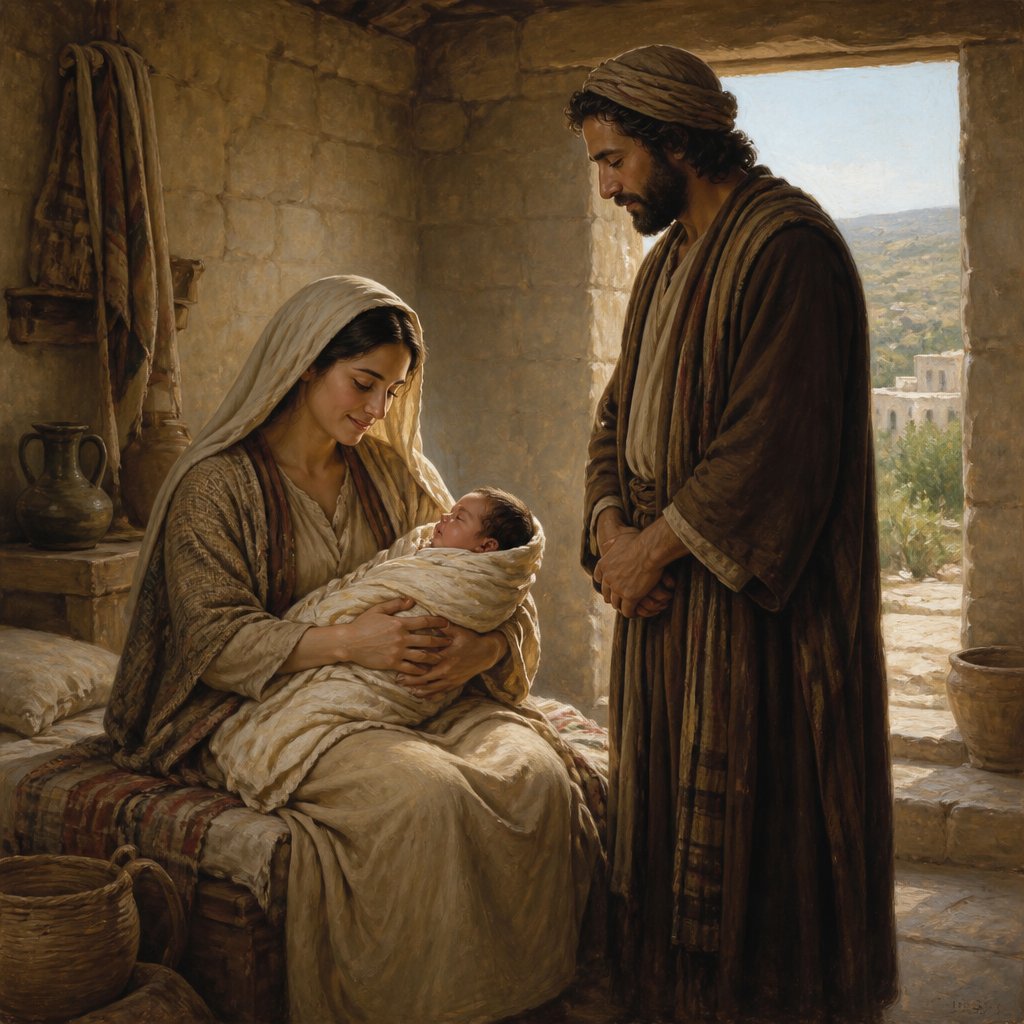
The Book of Judges presents us with a vivid tapestry of Israel’s tumultuous history, steeped in cycles of sin, suffering, and salvation. Within these narratives, figures emerge, illustrating both the triumphs and the failures of humanity. Among them is Gideon, a man chosen by God but also shaped by his cultural context. Judges 8:31 states, "And his concubine that was in Shechem, she also bare him a son, whose name he called Abimelech." This verse, while straightforward, opens a window into profound spiritual and societal truths.
Understanding the role of women in biblical narratives enriches our comprehension of Scripture. Gideon’s concubine, although mentioned in passing, gives us insight into the societal structures of the time. In a patriarchal society, women often held secondary positions, yet they played critical roles in shaping future generations. This concubine is unnamed, suggesting that many women in Scripture are often defined by their relationships to men rather than by their own identities. Abimelech's birth from this union indicates that what may have been perceived as a lesser relationship created a son who would have significant implications in Israel’s history.
Abimelech, which means "my father is king," embodies the complexities of leadership and legacy. As we know from later passages, his path diverges sharply from that of Gideon, who led Israel to victory against oppression. Instead, Abimelech’s story is marred by ambition and ultimately tragedy, as he seizes power through deception and violence, leading to destructive consequences for both himself and Israel. His reign underscores a critical lesson: the nature of one's birthplace and upbringing provides a foundation, but it does not determine one’s fate.
The tumultuous life of Abimelech serves as a reminder that our lineage or the circumstances of our birth does not dictate our actions. Each individual is faced with choices that can either reflect or reject the legacy left to them. This prompts a deeper consideration of our own choices. Are we living in the light of God’s calling, or are we, like Abimelech, tempted to pursue power for our own sake, neglecting the principles of justice and mercy?
Another layer to this verse is the geographical context of Shechem. It was both a place of divine encounter and a hub of idolatry. By naming his son Abimelech in this city, Gideon’s legacy is intertwined with both spiritual heritage and human depravity. Shechem was pivotal in Israel's history, a place where Shiloh stood, representing God’s divine presence among His people, and later, a center for idol worship. This duality serves as a parallel to Gideon’s own life — chosen by God yet falling into the pitfalls of the culture surrounding him. The environments we inhabit can heavily influence our decisions and destinies. What environments are we allowing to shape us?
In conclusion, Judges 8:31 invites us to contemplate the weight of our decisions and the stories they weave into the fabric of our legacy. God’s sovereignty works even through the flawed narratives, showing that His purpose can be accomplished despite human error. As we navigate our paths, let us strive to reflect God’s intentions, embracing our roles as conduits of His grace. Let this reminder draw us closer to Christ, who redeems our messes and guides our hearts back to Him. In the face of our complexities, may we always seek to honor God in our choices, knowing that, like Gideon, we too can be transformed by His grace, pointing our legacy towards His glory.
Want to reflect more on Judges 8:31?
Continue your spiritual journey with Bible Chat — an AI-powered tool for exploring God's Word through conversation. Ask questions, discover connections, and deepen your understanding.
Get Our Apps


Judges 8:31 Artwork

Judges 8:31 - "And his concubine that was in Shechem, she also bare him a son, whose name he called Abimelech."
"And his concubine that was in Shechem, she also bare him a son, whose name he called Abimelech." - Judges 8:31

Judges 3:31

Judges 2:31

Job 31:11 - "For this is an heinous crime; yea, it is an iniquity to be punished by the judges."

1 Corinthians 11:31 - "For if we would judge ourselves, we should not be judged."

Deuteronomy 32:31 - "For their rock is not as our Rock, even our enemies themselves being judges."

"For this is an heinous crime; yea, it is an iniquity to be punished by the judges." - Job 31:11

Judges 18:31 - "And they set them up Micah's graven image, which he made, all the time that the house of God was in Shiloh."

"For if we would judge ourselves, we should not be judged." - 1 Corinthians 11:31

Romans 8:31

Deuteronomy 31:8

Judges 9:8-15

Romans 8:31

deuteronomy 31 8

Romans 8:31

Proverbs 31:9 - "Open thy mouth, judge righteously, and plead the cause of the poor and needy."

John 8:15 - "Ye judge after the flesh; I judge no man."

Judges 12:8 - "¶ And after him Ibzan of Beth-lehem judged Israel."

Judges 3:31 - "¶ And after him was Shamgar the son of Anath, which slew of the Philistines six hundred men with an ox goad: and he also delivered Israel."

Proverbs 8:22-31

1 Chronicles 8:31 - "And Gedor, and Ahio, and Zacher."

Job 31:28 - "This also were an iniquity to be punished by the judge: for I should have denied the God that is above."

Judges 9:31 - "And he sent messengers unto Abimelech privily, saying, Behold, Gaal the son of Ebed and his brethren be come to Shechem; and, behold, they fortify the city against thee."

Judges 1:31 - "¶ Neither did Asher drive out the inhabitants of Accho, nor the inhabitants of Zidon, nor of Ahlab, nor of Achzib, nor of Helbah, nor of Aphik, nor of Rehob:"

"For their rock is not as our Rock, even our enemies themselves being judges." - Deuteronomy 32:31

Judges 8:17 - "And he beat down the tower of Penuel, and slew the men of the city."

Judges 8:29 - "And Jerubbaal the son of Joash went and dwelt in his own house."

Proverbs 8:16 - "By me princes rule, and nobles, even all the judges of the earth."

Judges 16:31 - "Then his brethren and all the house of his father came down, and took him, and brought him up, and buried him between Zorah and Eshtaol in the buryingplace of Manoah his father. And he judged Israel twenty years."