Standing Against The Giants: The Call of Jerubbaal
"Therefore on that day he called him Jerubbaal, saying, Let Baal plead against him, because he hath thrown down his altar." - Judges 6:32
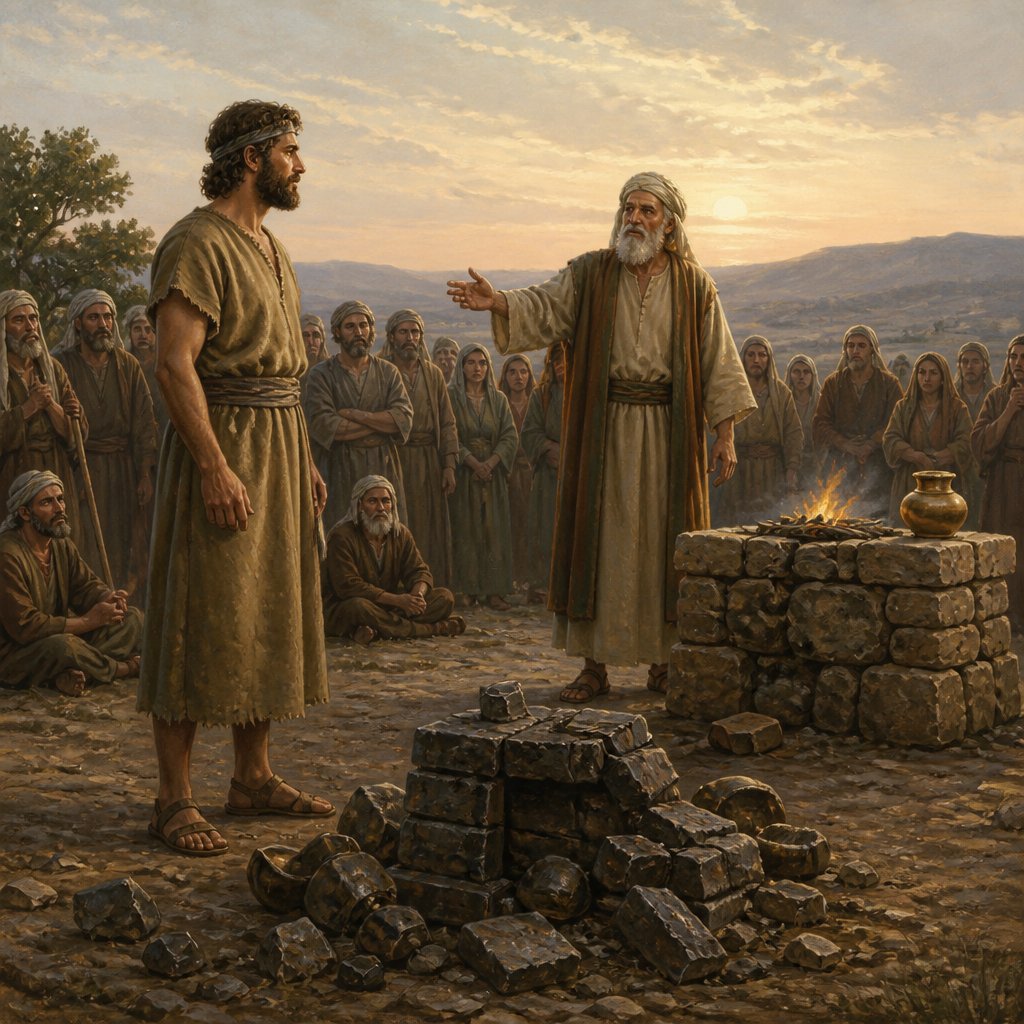
The narrative found in Judges 6:32, which reads, "Therefore on that day he called him Jerubbaal, saying, Let Baal plead against him, because he hath thrown down his altar," highlights an extremely pivotal moment both in the life of Gideon and the wider Israelite community. To better understand the significance of this verse, one must delve into the context surrounding it—an Israel beset by idolatry, oppression, and a significant crisis of faith.
Gideon, at this point, is not yet the military leader he would become; he is a hesitant individual called by God to deliver Israel from the Midianites, who had tyrannically oppressed the Israelites for years. The Israelites had turned to Baal worship, a practice that represented a direct violation of their covenant relationship with Yahweh. This deeply rooted idolatry had profound implications—it led to national degradation, engendered fear, and ultimately silenced a once vibrant faith community.
To appreciate the enormity of Gideon's act of throwing down the altar of Baal, one must realize that doing so was not merely an act of rebellion; it was an intimidation of the prevailing power structures of his day and an assertion of faith against overwhelming odds. When Gideon destroyed the altar, it marked more than just a physical demolition of an idol—it was a spiritual declaration of war against the forces of darkness. The naming of Gideon as "Jerubbaal," meaning "Let Baal plead against him," signals a profound defiance. Gideon invited the god Baal to defend himself against what he perceived to be a grave affront—a direct challenge to Baal's authority.
The personal implications of Gideon’s actions extend into our own lives and challenges we face in our faith journeys. Like Gideon, every believer must confront the altars of idolatry in their own lives—those things that demand allegiance contrary to the will of God. Idolatry can manifest in various forms: materialism, relationships, addictions, or even our own pride. The destruction of these altars requires courage and conviction, as they often represent powerful emotional and psychological forces in our lives.
In inviting Baal to plead against him, Gideon is also recognizing the inevitable backlash that could arise from standing against prevalent cultural norms. There is often a cost associated with tearing down altars, whether that be social ostracism, disapproval, or even the risk of personal loss. Yet this cost is dwarfed by the wonderful promise of God’s presence and backing when we choose fidelity to Him over the pressures of the world. God did not call Gideon to merely distract the Midianite oppressors but to annihilate their stronghold, which required radical steps—steps that often lead us out of our comfort zones.
Moreover, the title "Jerubbaal" serves an essential reminder in our walk with God: when we choose to stand boldly for our faith, we invoke God’s power and presence. In doing so, we tell the world that we believe the God we serve is mightier than any trial or tribulation we may face. Our struggles with faith and doubt, like Gideon’s, do not disqualify us from God’s plan. Instead, they position us uniquely to experience His glory and grace.
So, let us ask ourselves: what are the altars in our lives that need to be torn down? Are we willing to be a Jerubbaal in our communities, willing to challenge societal idols? As we courageously destroy those things that compete with our devotion to the Almighty, let us remember Gideon’s resolve, standing firm in the knowledge that when we face our giants, we do not do so in our strength but in the power of the living God.
Want to reflect more on Judges 6:32?
Continue your spiritual journey with Bible Chat — an AI-powered tool for exploring God's Word through conversation. Ask questions, discover connections, and deepen your understanding.
Get Our Apps


Judges 6:32 Artwork

Judges 6:32 - "Therefore on that day he called him Jerubbaal, saying, Let Baal plead against him, because he hath thrown down his altar."
"Therefore on that day he called him Jerubbaal, saying, Let Baal plead against him, because he hath thrown down his altar." - Judges 6:32

Deuteronomy 32:31 - "For their rock is not as our Rock, even our enemies themselves being judges."

Judges 9:32 - "Now therefore up by night, thou and the people that is with thee, and lie in wait in the field:"

Judges 1:32 - "But the Asherites dwelt among the Canaanites, the inhabitants of the land: for they did not drive them out."

Judges 8:32 - "¶ And Gideon the son of Joash died in a good old age, and was buried in the sepulchre of Joash his father, in Ophrah of the Abiezrites."

Judges 11:32 - "¶ So Jephthah passed over unto the children of Ammon to fight against them; and the LORD delivered them into his hands."

Judges 6:6 - "And Israel was greatly impoverished because of the Midianites; and the children of Israel cried unto the LORD."

1 Corinthians 11:32 - "But when we are judged, we are chastened of the Lord, that we should not be condemned with the world."

Mark 6:32 - "And they departed into a desert place by ship privately."

Judges 20:32 - "And the children of Benjamin said, They are smitten down before us, as at the first. But the children of Israel said, Let us flee, and draw them from the city unto the highways."

"For their rock is not as our Rock, even our enemies themselves being judges." - Deuteronomy 32:31

1 Corinthians 6:2 - "Do ye not know that the saints shall judge the world? and if the world shall be judged by you, are ye unworthy to judge the smallest matters?"

"But the Asherites dwelt among the Canaanites, the inhabitants of the land: for they did not drive them out." - Judges 1:32

"Now therefore up by night, thou and the people that is with thee, and lie in wait in the field:" - Judges 9:32

Judges 3:6 - "And they took their daughters to be their wives, and gave their daughters to their sons, and served their gods."

Luke 6:37 - "Judge not, and ye shall not be judged: condemn not, and ye shall not be condemned: forgive, and ye shall be forgiven:"

Jeremiah 32:6 - "¶ And Jeremiah said, The word of the LORD came unto me, saying,"

Judges 6:36-40 – Gideon’s fleece test for dew.

Judges 6:7 - "¶ And it came to pass, when the children of Israel cried unto the LORD because of the Midianites,"

Psalms 141:6 - "When their judges are overthrown in stony places, they shall hear my words; for they are sweet."

Deuteronomy 32:36 - "For the LORD shall judge his people, and repent himself for his servants, when he seeth that their power is gone, and there is none shut up, or left."

2 Chronicles 19:6 - "And said to the judges, Take heed what ye do: for ye judge not for man, but for the LORD, who is with you in the judgment."

Judges 6:23 - "And the LORD said unto him, Peace be unto thee; fear not: thou shalt not die."

Judges 6:40 - "And God did so that night: for it was dry upon the fleece only, and there was dew on all the ground."

Judges 11:6 - "And they said unto Jephthah, Come, and be our captain, that we may fight with the children of Ammon."

Judges 17:6 - "In those days there was no king in Israel, but every man did that which was right in his own eyes."

Judges 6:34 - "But the Spirit of the LORD came upon Gideon, and he blew a trumpet; and Abiezer was gathered after him."
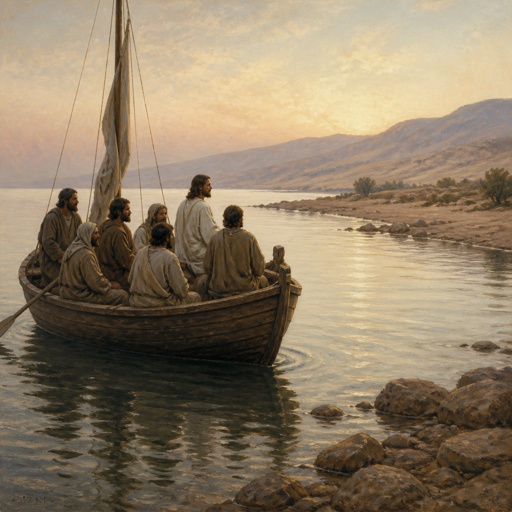
"And they departed into a desert place by ship privately." - Mark 6:32

Proverbs 6:32 - "But whoso committeth adultery with a woman lacketh understanding: he that doeth it destroyeth his own soul."