From Shadows to Heroes: The Rise of Gideon
"And they said one to another, Who hath done this thing? And when they enquired and asked, they said, Gideon the son of Joash hath done this thing." - Judges 6:29
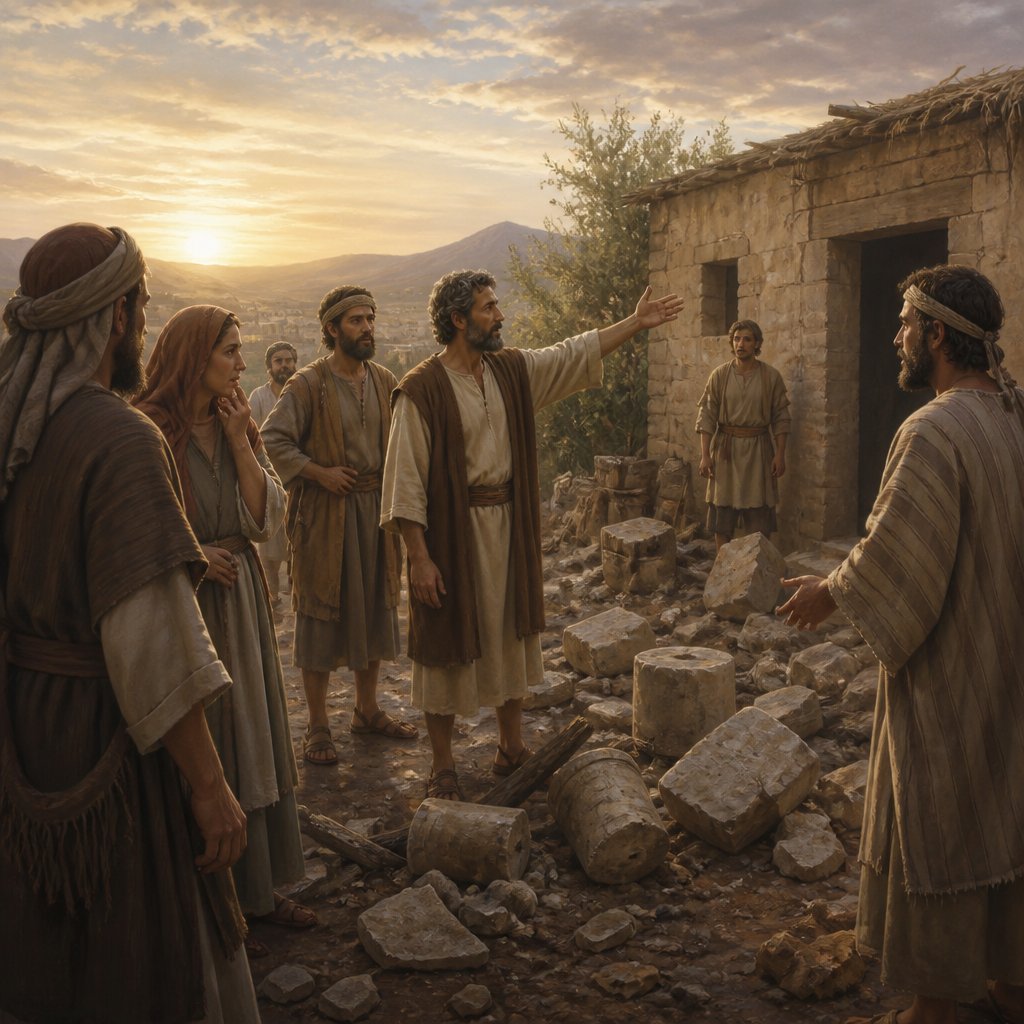
In Judges 6:29, we are witnesses to a pivotal moment in Israel’s history. The verse reads: "And they said one to another, Who hath done this thing? And when they enquired and asked, they said, Gideon the son of Joash hath done this thing." This inquiry arises after Gideon has boldly destroyed the altar of Baal, an act of defiance against idolatry that exposed his courage and commitment to Yahweh amidst a community steeped in spiritual confusion.
To truly understand the gravity of this moment, we must place ourselves in Gideon’s sandals. He was just an ordinary man from a family of the least tribe in Israel, grappling with fear and self-doubt. When the angel of the Lord first appeared to him, Gideon was threshing wheat in a winepress to hide it from the Midianites, a clear indication of the oppression that had suffocated Israel. He did not see himself as a warrior; he saw himself as the weakest link in a chain already frayed by despair. Yet, the angel addressed him as a “mighty man of valor” (Judges 6:12), which was a divine prophecy yet to unfold.
Gideon’s journey from fear to faith is reflective of our own struggles in the spiritual realm. Preparing to confront the oppressive understanding of his community’s idolatry, Gideon demonstrated obedience, albeit reluctantly. His act of destroying the altar was not just a physical confrontation but a spiritual declaration that God alone deserves our worship. When he carried out this act at night, his fear of reprisal was palpable. Yet, it was this very fear that serves as a testament to his growth. Rather than wallowing in his anxiety, he chose to act decisively for the sake of his people and in obedience to God’s call.
When the townspeople discovered the destroyed altar, their collective confusion reveals the depths of their spiritual blindness. After they destroyed the altar dedicated to Baal, rather than rejoicing in the liberation from false gods, they sought the truth of who committed this sacrilegious act. Their inquiry—"Who hath done this thing?"—is the crux of the challenge that Gideon faced. He was thrust into the spotlight, and it could have meant his end. But instead, it marked the beginning of a legacy.
God uses the weak to defy the powerful; He transforms ordinary individuals into vessels of change. Gideon’s act not only disrupted the idol worship but set into motion a national awakening, stirring the hearts of the Israelites. This brings us to a crucial element in our spiritual walk:
**The call to be a catalyst for change**. Each of us possesses the potential to uproot the altars of modern-day idolatry in our lives—idols of materialism, social status, and even misaligned religious practices. What can occur when we dare to confront these idols? What impact might we have on our communities when we choose to stand for truth? Think about Gideon’s example; he acted, albeit with hesitance, and in doing so managed to spark a movement.
In light of this narrative, we are encouraged to reflect on the nature of our identity in Christ. Gideon did not see himself as the hero but through his faith and obedience, he inadvertently became one. The question remains: what reputation do we carry among our peers? Are we champions of light in the shadows of darkness? Embracing our identity as children of God empowers us to step into our calling boldly, even when we feel inadequate. Gideon’s story culminates in the realization that God’s strength is made perfect in our weakness (2 Corinthians 12:9).
As we ponder this verse today, let us ask ourselves, "What altars in my life need to be dismantled, and how can I lead courageously like Gideon?" We must strive to be aware of our surroundings and become the agents of divine truth needed in a world often tumbling into ignorance. Let us seek the Lord’s leading and take decisive steps toward our call to brave faith, for it is through our actions that others will begin to inquire, "Who hath done this thing?" And our answer will glory to God.
In conclusion, remember that every act of obedience—no matter how small—is significant in God’s kingdom. Approach the day with the courage of Gideon, proclaiming not fear but faith, and watch how God transforms you from an unassuming individual into a hero of the faith.
Want to reflect more on Judges 6:29?
Continue your spiritual journey with Bible Chat — an AI-powered tool for exploring God's Word through conversation. Ask questions, discover connections, and deepen your understanding.
Get Our Apps


Judges 6:29 Artwork

Judges 6:29 - "And they said one to another, Who hath done this thing? And when they enquired and asked, they said, Gideon the son of Joash hath done this thing."
"And they said one to another, Who hath done this thing? And when they enquired and asked, they said, Gideon the son of Joash hath done this thing." - Judges 6:29

Judges 20:29 - "And Israel set liers in wait round about Gibeah."

Judges 8:29 - "And Jerubbaal the son of Joash went and dwelt in his own house."

Judges 5:29 - "Her wise ladies answered her, yea, she returned answer to herself,"

Gideon's ephod in Judges 8:29 and peoplw worshipping him

1 Chronicles 26:29 - "¶ Of the Izharites, Chenaniah and his sons were for the outward business over Israel, for officers and judges."
Judges 1:29 - "¶ Neither did Ephraim drive out the Canaanites that dwelt in Gezer; but the Canaanites dwelt in Gezer among them."

Judges 3:29 - "And they slew of Moab at that time about ten thousand men, all lusty, and all men of valour; and there escaped not a man."

Judges 6:6 - "And Israel was greatly impoverished because of the Midianites; and the children of Israel cried unto the LORD."

Isaiah 29:6

1 Corinthians 14:29 - "Let the prophets speak two or three, and let the other judge."

Genesis 29-6
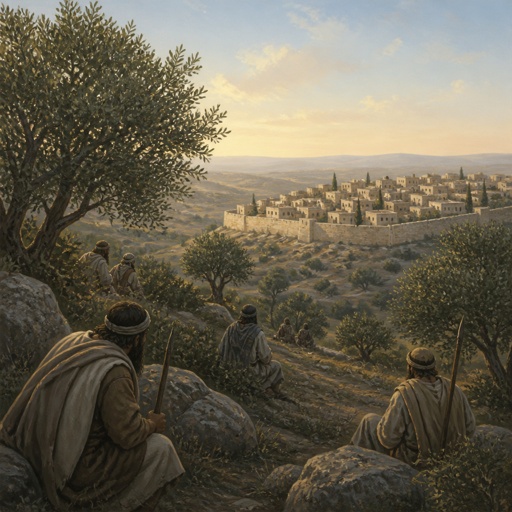
"And Israel set liers in wait round about Gibeah." - Judges 20:29

Judges 18:29 - "And they called the name of the city Dan, after the name of Dan their father, who was born unto Israel: howbeit the name of the city was Laish at the first."
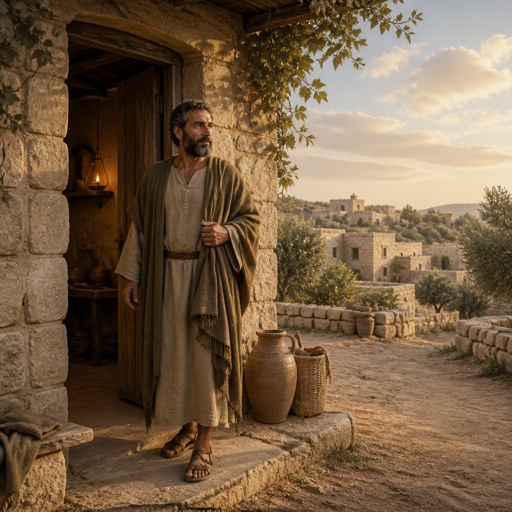
"And Jerubbaal the son of Joash went and dwelt in his own house." - Judges 8:29

1 Corinthians 6:2 - "Do ye not know that the saints shall judge the world? and if the world shall be judged by you, are ye unworthy to judge the smallest matters?"

Judges 9:29 - "And would to God this people were under my hand! then would I remove Abimelech. And he said to Abimelech, Increase thine army, and come out."

Judges 3:6 - "And they took their daughters to be their wives, and gave their daughters to their sons, and served their gods."

Judges 16:29 - "And Samson took hold of the two middle pillars upon which the house stood, and on which it was borne up, of the one with his right hand, and of the other with his left."

Luke 6:37 - "Judge not, and ye shall not be judged: condemn not, and ye shall not be condemned: forgive, and ye shall be forgiven:"

Judges 6:36-40 – Gideon’s fleece test for dew.

1 Corinthians 10:29 - "Conscience, I say, not thine own, but of the other: for why is my liberty judged of another man's conscience?"

Judges 6:7 - "¶ And it came to pass, when the children of Israel cried unto the LORD because of the Midianites,"

Psalms 141:6 - "When their judges are overthrown in stony places, they shall hear my words; for they are sweet."
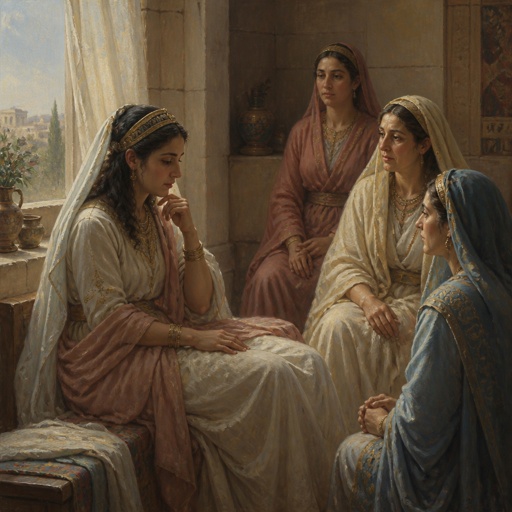
"Her wise ladies answered her, yea, she returned answer to herself," - Judges 5:29

2 Chronicles 19:6 - "And said to the judges, Take heed what ye do: for ye judge not for man, but for the LORD, who is with you in the judgment."

Judges 11:29 - "¶ Then the Spirit of the LORD came upon Jephthah, and he passed over Gilead, and Manasseh, and passed over Mizpeh of Gilead, and from Mizpeh of Gilead he passed over unto the children of Ammon."

Judges 6:23 - "And the LORD said unto him, Peace be unto thee; fear not: thou shalt not die."

Judges 6:40 - "And God did so that night: for it was dry upon the fleece only, and there was dew on all the ground."