Finding Peace in the Midst of Chaos: The Altar of Jehovah-Shalom
"Then Gideon built an altar there unto the LORD, and called it Jehovah-shalom: unto this day it is yet in Ophrah of the Abiezrites." - Judges 6:24
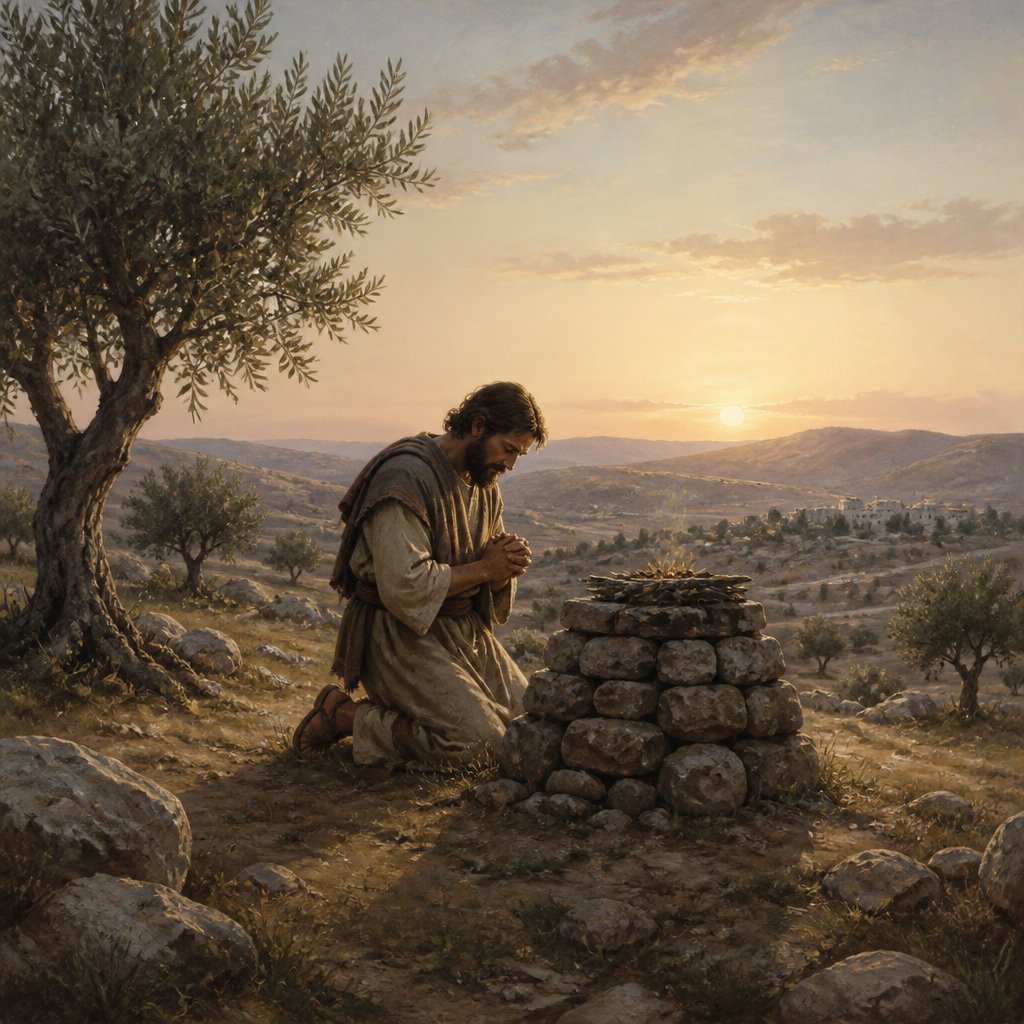
In Judges 6:24, we encounter a significant moment in the journey of Gideon, a reluctant hero chosen by God to deliver His people from the oppression of the Midianites. The verse reads: "Then Gideon built an altar there unto the LORD, and called it Jehovah-shalom: unto this day it is yet in Ophrah of the Abiezrites." This single verse encapsulates a profound truth about divine peace—one that is both timely and timeless.
Gideon’s experience is deeply rooted in a context of fear, turmoil, and uncertainty. The Israelites were oppressed by the Midianites, who would invade their land repeatedly, leaving them impoverished and in despair. Gideon himself was torn between his insecurities and the calling he had received from God. It was in this unstable environment that Gideon encountered the angel of the Lord, who instructed him not to fear, but to rise up and lead his people towards freedom.
After this encounter, Gideon’s immediate response was to build an altar. This act of constructing an altar was not merely a ritualistic practice; it was a declaration of his newfound faith. An altar signifies a place of worship and remembrance—an acknowledgment of God’s presence and an invitation for God’s divine grace to intervene in human circumstances. Gideon named this altar "Jehovah-shalom," which translates to "The Lord is Peace." In doing so, he established a spiritual marker that acknowledged both his personal transformation and the promise of God’s peace prevailing amidst chaos.
Jehovah-shalom is a powerful concept. It encompasses the idea that God is not just a provider of peace, but that He is peace itself. In a world where we are often confronted with chaos, uncertainty, and strife, the name Jehovah-shalom stands as a beacon of hope. It reassures us that, regardless of our circumstances, we can find serenity in our relationship with God. It reminds us that peace is not the absence of conflict but the presence of God in the midst of it.
Consider Gideon’s situation. He was surrounded by enemies, and yet, in moments of fear and anxiety, he chose to turn to God. He built an altar not in a place of comfort but right in the heart of turmoil. This act teaches us that peace can be found wherever we choose to invite God into our lives, even in the most challenging situations.
When building our own altars to Jehovah-shalom, we are called to be intentional about bringing God into our daily lives. This could be through prayer, worship, or simply setting aside time to dwell in His word. Just as Gideon established a physical space to remember God’s peace, we too can create spaces—whether physical or spiritual—where we encounter and experience His peace.
Moreover, it is essential to recognize that the peace we find in God is not meant solely for our personal comfort but is a gift that we are called to share with others. When we embody this peace through our actions and words, we become conduits of God’s love and grace to a world rife with anxiety and despair. Just like Gideon’s altar stood as a lasting testimony in Ophrah, our lives can also serve as testimonies of Jehovah-shalom to those around us.
As we reflect on Gideon’s encounter with God, let us ask ourselves: What altars can we build in our lives that declare the truth of Jehovah-shalom? How can we invite God’s peace into our homes, our communities, and our own hearts? Remember, in seeking Him earnestly, we will discover that in every storm, His peace is waiting for us, ready to sustain us and guide us through.
In conclusion, let us celebrate the name of Jehovah-shalom and boldly approach God in our tumultuous times. May we trust that His peace is available to us, transforming our fears into faith and our chaos into calm.
Want to reflect more on Judges 6:24?
Continue your spiritual journey with Bible Chat — an AI-powered tool for exploring God's Word through conversation. Ask questions, discover connections, and deepen your understanding.
Get Our Apps


Judges 6:24 Artwork

Judges 6:24 - "Then Gideon built an altar there unto the LORD, and called it Jehovah-shalom: unto this day it is yet in Ophrah of the Abiezrites."
"Then Gideon built an altar there unto the LORD, and called it Jehovah-shalom: unto this day it is yet in Ophrah of the Abiezrites." - Judges 6:24
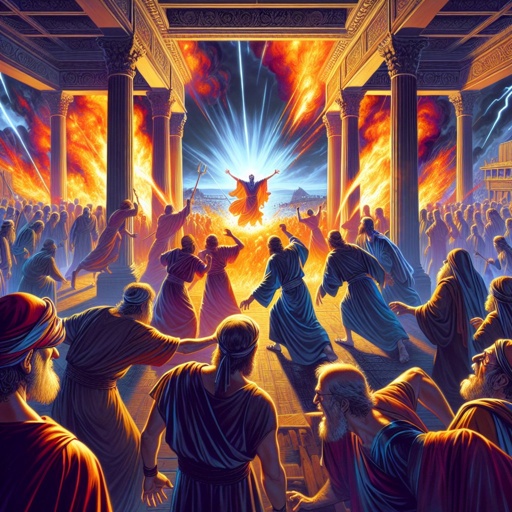
Acts 24:6 - "Who also hath gone about to profane the temple: whom we took, and would have judged according to our law."

John 7:24 - "Judge not according to the appearance, but judge righteous judgment."

Judges 20:24 - "And the children of Israel came near against the children of Benjamin the second day."

Judges 6:6 - "And Israel was greatly impoverished because of the Midianites; and the children of Israel cried unto the LORD."
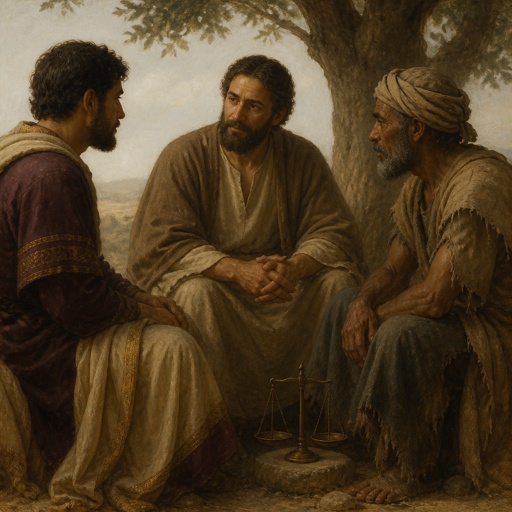
"Judge not according to the appearance, but judge righteous judgment." - John 7:24

Judges 13:24 - "¶ And the woman bare a son, and called his name Samson: and the child grew, and the LORD blessed him."

Job 9:24 - "The earth is given into the hand of the wicked: he covereth the faces of the judges thereof; if not, where, and who is he?"

1 Samuel 24:15 - "The LORD therefore be judge, and judge between me and thee, and see, and plead my cause, and deliver me out of thine hand."

Judges 5:24 - "Blessed above women shall Jael the wife of Heber the Kenite be, blessed shall she be above women in the tent."

1 Corinthians 6:2 - "Do ye not know that the saints shall judge the world? and if the world shall be judged by you, are ye unworthy to judge the smallest matters?"
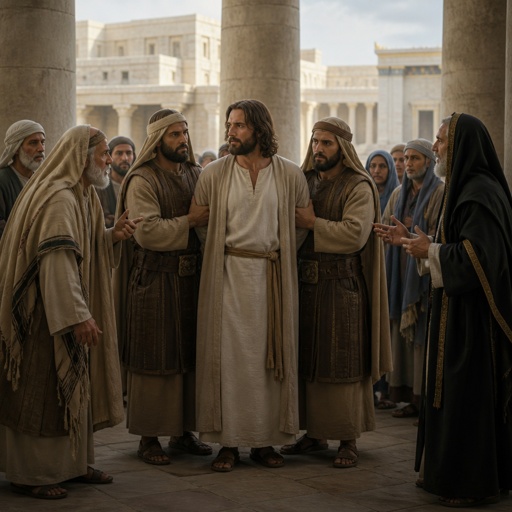
"Who also hath gone about to profane the temple: whom we took, and would have judged according to our law." - Acts 24:6

Judges 4:24 - "And the hand of the children of Israel prospered, and prevailed against Jabin the king of Canaan, until they had destroyed Jabin king of Canaan."

Judges 3:6 - "And they took their daughters to be their wives, and gave their daughters to their sons, and served their gods."

Luke 6:37 - "Judge not, and ye shall not be judged: condemn not, and ye shall not be condemned: forgive, and ye shall be forgiven:"

Joshua 24:1 - "And Joshua gathered all the tribes of Israel to Shechem, and called for the elders of Israel, and for their heads, and for their judges, and for their officers; and they presented themselves before God."

Numbers 35:24 - "Then the congregation shall judge between the slayer and the revenger of blood according to these judgments:"

Judges 6:36-40 – Gideon’s fleece test for dew.

Matthew 6:24

Matthew 6:24

Matthew 6:24

Matthew 6:24

Genesis 24-6

Judges 6:7 - "¶ And it came to pass, when the children of Israel cried unto the LORD because of the Midianites,"

Psalms 141:6 - "When their judges are overthrown in stony places, they shall hear my words; for they are sweet."

2 Chronicles 19:6 - "And said to the judges, Take heed what ye do: for ye judge not for man, but for the LORD, who is with you in the judgment."

Judges 6:23 - "And the LORD said unto him, Peace be unto thee; fear not: thou shalt not die."

Judges 6:40 - "And God did so that night: for it was dry upon the fleece only, and there was dew on all the ground."

Judges 11:6 - "And they said unto Jephthah, Come, and be our captain, that we may fight with the children of Ammon."