Confronting Wickedness: The Call for Accountability
"¶ And the tribes of Israel sent men through all the tribe of Benjamin, saying, What wickedness is this that is done among you?" - Judges 20:12
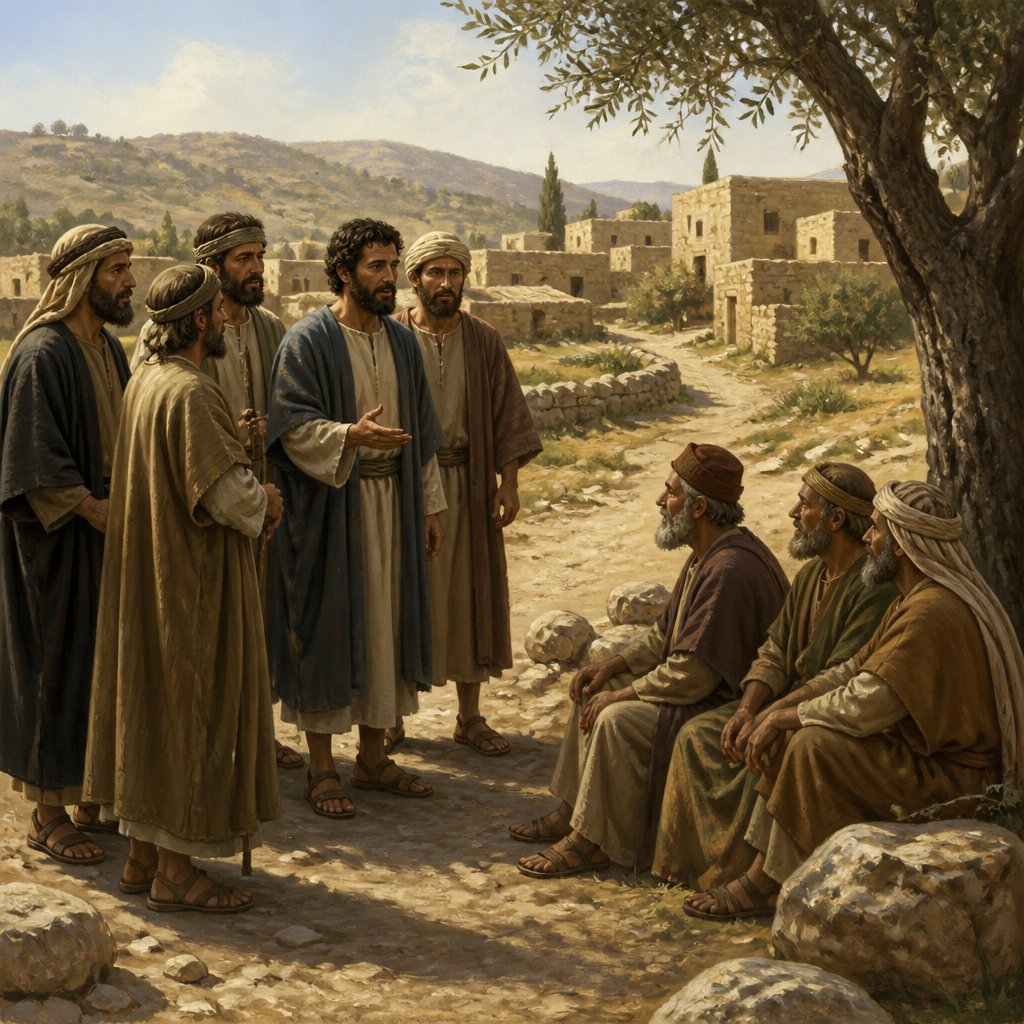
In the profound narrative of Judges 20:12, the tribes of Israel reached out to Benjamin with a haunting question: "What wickedness is this that is done among you?" This verse illustrates a critical juncture in Israel's history, where the actions of a few individuals invoked the attention and concern of a nation. It opens up a multifaceted exploration of community, accountability, and the moral obligations that bind us as a society.
The context of this verse is crucial to understanding its implications. In the preceding chapters, we witness the tragic story of a Levite and his concubine, culminating in violence and moral depravity within the tribe of Benjamin. The Israelite tribes, shocked and horrified by the acts committed, took it upon themselves to confront the encroaching darkness. The inquiry posed to Benjamin was not just a legalistic question, but a spiritual and moral confrontation. It stirred deep concern and challenged the collective conscience of a nation.
The essence of the inquiry posed by Israel speaks volumes about the nature of sin and the responsibility of the community. Sin has a ripple effect; it does not merely affect the individual who commits it but reaches into the heart of society. The tribes of Israel recognized this, understanding that evil, if left unchecked, can spread and corrupt the entire community. They did not stand idly by, allowing the wickedness among their midst to fester. Instead, they acted deliberately, demonstrating a commitment to holiness and justice.
This leads us to reflect on our responsibility as members of a community. Are we attentive to the wrongs happening around us? Are we bold enough to question and confront the wickedness we see? The act of reaching out—as the tribes of Israel did—calls for courage and accountability. It stirs within us the understanding that we are our brethren's keepers, irrevocably linked to one another in the tapestry of humanity. When we witness injustice, immorality, or divisions within our communities, we must ask ourselves: How can I act? What is my role in this?
The willingness to ask difficult questions can lead us toward healing and restoration. The tribes of Israel did not merely question Benjamin; they sought to understand the root of the wickedness. When we confront evil, we must approach issues with a desire for restoration rather than merely condemnation. Our goal should be to understand the story behind the actions and to hold every party accountable while always being motivated by love, grace, and a desire for reconciliation. Would we have the grace to offer hope, to guide those trapped in wickedness towards a path of righteousness?
In a world brimming with moral challenges, the call remains the same. We are instructed in Galatians 6:1 to restore those who are caught in sin with a spirit of gentleness. The tribes of Israel showcased a model of collective responsibility, reminding us that while individual sins may begin in the shadows, they can result in disastrous consequences for the whole. It is a call to vigilance, ensuring that we remain watchful in prayer and action, committed to the flourishing of our communities.
Moreover, the inquiry posed demonstrates an element of dialogue that is crucial. As believers, our interactions should seek to bring light into darkness. We can draw from the wisdom outlined in Proverbs 27:17, which states, "Iron sharpeneth iron; so a man sharpeneth the countenance of his friend." The context of confrontation should be one of love and a yearning for improvement.
Ultimately, the verse from Judges serves as a reminder that wickedness confronts us daily. May we gather the courage to ask the hard questions, not only in our communities but within our own hearts. Let us be a voice for truth and righteousness while embracing the difficult journey of accountability and restoration. Armed with the truth of Scripture and the love of Christ, we can be instruments of His grace in a world in desperate need of healing.
Want to reflect more on Judges 20:12?
Continue your spiritual journey with Bible Chat — an AI-powered tool for exploring God's Word through conversation. Ask questions, discover connections, and deepen your understanding.
Get Our Apps


Judges 20:12 Artwork

Judges 20:12 - "¶ And the tribes of Israel sent men through all the tribe of Benjamin, saying, What wickedness is this that is done among you?"
"¶ And the tribes of Israel sent men through all the tribe of Benjamin, saying, What wickedness is this that is done among you?" - Judges 20:12

Judges 12:12 - "And Elon the Zebulonite died, and was buried in Aijalon in the country of Zebulun."

Judges 15:20 - "And he judged Israel in the days of the Philistines twenty years."

2 Chronicles 20:12 - "O our God, wilt thou not judge them? for we have no might against this great company that cometh against us; neither know we what to do: but our eyes are upon thee."

Judges 20:29 - "And Israel set liers in wait round about Gibeah."

Judges 20:20 - "And the men of Israel went out to battle against Benjamin; and the men of Israel put themselves in array to fight against them at Gibeah."

Judges 12:11 - "¶ And after him Elon, a Zebulonite, judged Israel; and he judged Israel ten years."

Revelation 20:12 - "And I saw the dead, small and great, stand before God; and the books were opened: and another book was opened, which is the book of life: and the dead were judged out of those things which were written in the books, according to their works."

Judges 20:19 - "And the children of Israel rose up in the morning, and encamped against Gibeah."

Judges 5:20 - "They fought from heaven; the stars in their courses fought against Sisera."

Judges 12:8 - "¶ And after him Ibzan of Beth-lehem judged Israel."

Judges 12:10 - "Then died Ibzan, and was buried at Beth-lehem."

Judges 21:20 - "Therefore they commanded the children of Benjamin, saying, Go and lie in wait in the vineyards;"

Judges 12:13 - "¶ And after him Abdon the son of Hillel, a Pirathonite, judged Israel."

Judges 20:27 - "And the children of Israel enquired of the LORD, (for the ark of the covenant of God was there in those days,"

Judges 20:44 - "And there fell of Benjamin eighteen thousand men; all these were men of valour."

Judges 20:24 - "And the children of Israel came near against the children of Benjamin the second day."

Judges 20:7 - "Behold, ye are all children of Israel; give here your advice and counsel."

Ezekiel 20:4 - "Wilt thou judge them, son of man, wilt thou judge them? cause them to know the abominations of their fathers:"

Judges 14:20 - "But Samson's wife was given to his companion, whom he had used as his friend."

"And Elon the Zebulonite died, and was buried in Aijalon in the country of Zebulun." - Judges 12:12

Job 12:17 - "He leadeth counsellors away spoiled, and maketh the judges fools."

Judges 1:20 - "And they gave Hebron unto Caleb, as Moses said: and he expelled thence the three sons of Anak."

"And he judged Israel in the days of the Philistines twenty years." - Judges 15:20

Judges 12:7 - "And Jephthah judged Israel six years. Then died Jephthah the Gileadite, and was buried in one of the cities of Gilead."

Judges 18:20 - "And the priest's heart was glad, and he took the ephod, and the teraphim, and the graven image, and went in the midst of the people."

Judges 20:9 - "But now this shall be the thing which we will do to Gibeah; we will go up by lot against it;"

Judges 20:11 - "So all the men of Israel were gathered against the city, knit together as one man."

Judges 4:12 - "And they shewed Sisera that Barak the son of Abinoam was gone up to mount Tabor."