From Manna to Abundance: Embracing God's Provision
"¶ And the manna ceased on the morrow after they had eaten of the old corn of the land; neither had the children of Israel manna any more; but they did eat of the fruit of the land of Canaan that year." - Joshua 5:12
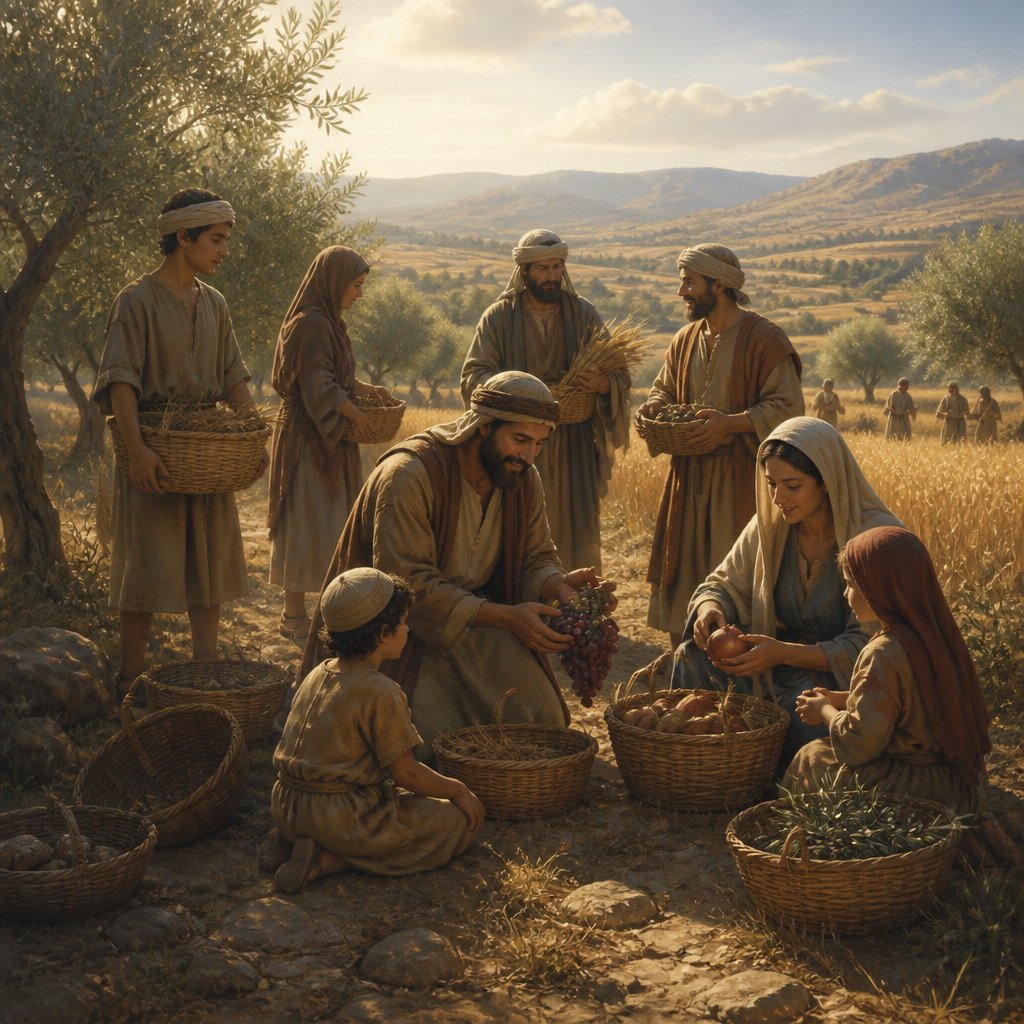
The verse of Joshua 5:12 states, "And the manna ceased on the morrow after they had eaten of the old corn of the land; neither had the children of Israel manna any more; but they did eat of the fruit of the land of Canaan that year." This profound moment in the history of Israel marks a significant transition in God’s provision for His people. As we dive deep into this passage, we can draw valuable lessons on faith, dependence on God, and embracing new beginnings.
For forty years, the Israelites wandered the wilderness, entirely reliant on manna—a miraculous provision from heaven. This bread-like substance appeared every morning, nourishing them while they journeyed toward the Promised Land. Manna became synonymous with God's daily sustenance; it was their source of survival, a divine gift designed to fulfill their needs in times of uncertainty. It revealed God's care and faithfulness to His people as they faced the challenges and trials of the wilderness journey.
However, upon entering Canaan—the land long promised to them—the Israelites experienced a pivotal change. The very next day after they ate the old corn of the land, the manna ceased. The cessation of manna symbolizes moving from reliance on temporary sustenance to enjoying the bounty of God's abundant promises. God’s provision evolved as the people of Israel stepped into new territory.
This transition can be likened to the phases of our own faith journeys. There are seasons in our lives when we equally rely on God for every single need, feeling like we are in a wilderness, where every blessing seems to come from God's immediate hand. Perhaps you have experienced a time when you cried out to God for clarity, for strength, or just for the next step. In these wilderness seasons, we may feel dependent on the 'manna'—those day-to-day provisions and assurances that keep us moving. However, God does not want us to remain in a dependency state forever; instead, He desires to lead us into a land of abundance where we can feast on the fruits of our faith and obedience.
As we reflect on Israel’s experience, we are invited to embrace change and seek the new dreams that God has in store for us. The Israelites had to move from consuming the heavenly manna to cultivating the land and harvesting the produced fruits. It serves as an encouragement to us: following God's lead into new ventures, seasons, or challenges often requires us to act, to grow, and sometimes to relinquish what made us comfortable in the past.
Additionally, the passage urges us to look ahead in expectation. The land of Canaan was described as flowing with milk and honey, overflowing with blessings beyond mere survival. Transitioning from relying solely on heavenly provision (manna) to enjoying earthly wonders (Canaan's fruits) teaches us about God’s desire to bless us richly. He wants us to thrive, not merely survive. In our own lives, we must ask ourselves: Are we willing to step out of our comfort zones? Are we willing to trust that God has something even better in store for us?
Furthermore, this transformation of provision encapsulates a spiritual principle—spiritual maturity comes through change, emerging from reliance on mere daily bread to recognizing and celebrating the abundance all around us. It's about appreciating the gifts God gives as we mature in our faith; shifting from only looking for His provisions to understanding His perfect timing and bigger plans.
In conclusion, as the Israelites embraced their new land filled with promise, may we embrace the transitions in our own lives with open hearts. May we willingly leave behind the old ways in anticipation of new blessings, trusting that our God, who invites us from periods of dependence, is the same God who delights in our abundance. Like the fruitful fields of Canaan, He has much for us to discover and enjoy in the journey ahead.
Want to reflect more on Joshua 5:12?
Continue your spiritual journey with Bible Chat — an AI-powered tool for exploring God's Word through conversation. Ask questions, discover connections, and deepen your understanding.
Get Our Apps


Joshua 5:12 Artwork

Joshua 5:12 - "¶ And the manna ceased on the morrow after they had eaten of the old corn of the land; neither had the children of Israel manna any more; but they did eat of the fruit of the land of Canaan that year."
"¶ And the manna ceased on the morrow after they had eaten of the old corn of the land; neither had the children of Israel manna any more; but they did eat of the fruit of the land of Canaan that year." - Joshua 5:12

Joshua 12:5 - "And reigned in mount Hermon, and in Salcah, and in all Bashan, unto the border of the Geshurites and the Maachathites, and half Gilead, the border of Sihon king of Heshbon."

Joshua 1:12 - "¶ And to the Reubenites, and to the Gadites, and to half the tribe of Manasseh, spake Joshua, saying,"

Joshua 6:12 - "¶ And Joshua rose early in the morning, and the priests took up the ark of the LORD."

Joshua 12:12 - "The king of Eglon, one; the king of Gezer, one;"

Joshua 24:12

Joshua 24:12

Joshua 5:3 - "And Joshua made him sharp knives, and circumcised the children of Israel at the hill of the foreskins."

Joshua 5:13

Joshua 3:5 - "And Joshua said unto the people, Sanctify yourselves: for to morrow the LORD will do wonders among you."

Joshua 1:12-16

Joshua 1:12-16

Joshua 5:15 - "And the captain of the LORD'S host said unto Joshua, Loose thy shoe from off thy foot; for the place whereon thou standest is holy. And Joshua did so."

Joshua 5:2 - "¶ At that time the LORD said unto Joshua, Make thee sharp knives, and circumcise again the children of Israel the second time."

Joshua 5:7 - "And their children, whom he raised up in their stead, them Joshua circumcised: for they were uncircumcised, because they had not circumcised them by the way."

Joshua 19:5 - "And Ziklag, and Beth-marcaboth, and Hazar-susah,"

Joshua 12:21 - "The king of Taanach, one; the king of Megiddo, one;"

Joshua 12:11 - "The king of Jarmuth, one; the king of Lachish, one;"

Joshua 12:13 - "The king of Debir, one; the king of Geder, one;"

Joshua 12:17 - "The king of Tappuah, one; the king of Hepher, one;"

Joshua 12:15 - "The king of Libnah, one; the king of Adullam, one;"

Joshua 12:10 - "The king of Jerusalem, one; the king of Hebron, one;"

Joshua 12:18 - "The king of Aphek, one; the king of Lasharon, one;"

Joshua 12:14 - "The king of Hormah, one; the king of Arad, one;"

Joshua 12:19 - "The king of Madon, one; the king of Hazor, one;"

"¶ And to the Reubenites, and to the Gadites, and to half the tribe of Manasseh, spake Joshua, saying," - Joshua 1:12

"The king of Eglon, one; the king of Gezer, one;" - Joshua 12:12
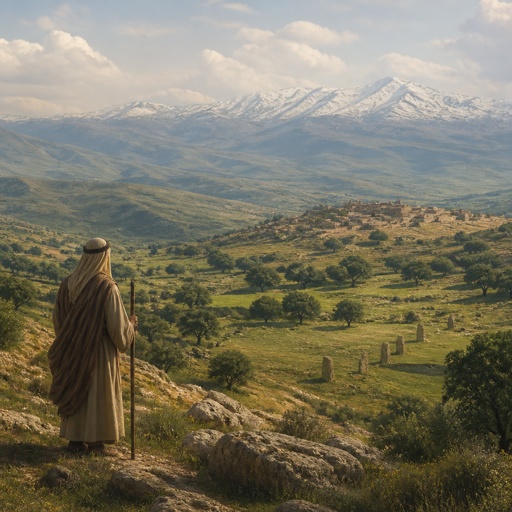
"And reigned in mount Hermon, and in Salcah, and in all Bashan, unto the border of the Geshurites and the Maachathites, and half Gilead, the border of Sihon king of Heshbon." - Joshua 12:5

Joshua 12:16 - "The king of Makkedah, one; the king of Beth-el, one;"