Roots of Identity: Discovering Our Place in God’s Plan
"Now the cities of the tribe of the children of Benjamin according to their families were Jericho, and Beth-hoglah, and the valley of Keziz," - Joshua 18:21
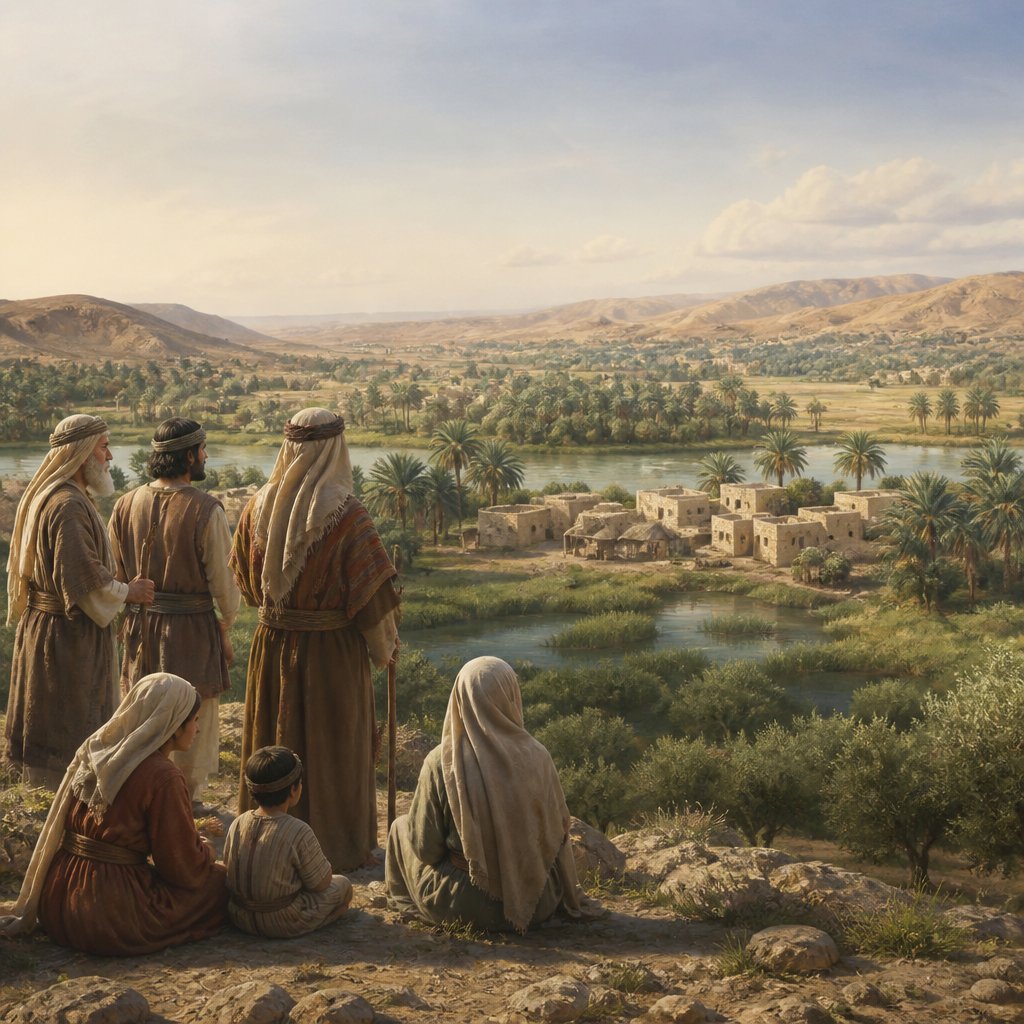
As we dive into the heart of Joshua 18:21, we find a verse that, on the surface, speaks of geographical settlements but holds a deeper significance about identity, belonging, and divine purpose. The verse reads: "Now the cities of the tribe of the children of Benjamin according to their families were Jericho, and Beth-hoglah, and the valley of Keziz." At first glance, it may seem like a mere list of names and places; however, these cities and their mentions serve as beautiful reminders of how God intricately weaves each person into His grand tapestry.
The tribe of Benjamin was one of the twelve tribes of Israel, chosen by God to form the foundation of His people. Benjamin's list does not just remind us of territory but evokes a sense of belonging and identity. Each city had its unique characteristics—Jericho, famously known as the city with walls that fell after the Israelites marched around it, and Beth-hoglah, which is thought to be linked to a place of worship and sacrifice. The valley of Keziz, presumably a lesser-known place, is also notable. This diversity within their heritage illustrates how the Lord provides for different needs, personalities, and spiritual gifts within His body.
As you read this verse, take time to appreciate that God knows you by name and has positioned you purposefully where you are in life. Just as the cities of Benjamin were distinct yet part of the same tribe, so are we. Each person has their own role and significance within the Body of Christ. The New Testament reminds us in 1 Corinthians 12:12-27 how we are all parts of one body, with different functions, yet all vital. The cities of Benjamin represent our unique roles, our responsibilities, and the places where we have been planted.
Consider the significance of Jericho as a symbol of victory and conquest. Perhaps you have faced battles in your life that seemed insurmountable, similar to how the Israelites approached Jericho. But remember, through obedience and faith, walls can fall. Beth-hoglah can remind us of the importance of worship and community. It shows us that gathering in faith strengthens our identity in God. The valley of Keziz may represent the quieter, perhaps even less glamorous aspects of our existence, but do not discount the valleys where God also meets us. It is in these valleys we often grow and become equipped for the higher call.
When we reflect on these cities, think about your own life’s geography. Where has God placed you? What experiences have molded your faith? Do you identify more with the triumph of Jericho, the faithfulness of Beth-hoglah, or the stillness of the valley of Keziz? Each place in your life contributes to your growth and your identity in Christ.
Moreover, these cities not only define the land but symbolically mark the journey of the Israelites toward their Promised Land. In our own lives, we are also on a journey. Philip Brooks once said, "Do not pray for easy lives. Pray to be stronger men." The struggles you face today, like the battles of the past, prepare you to inhabit the blessings God has in store for you. Your current situation, whether fruitful or challenging, is part of His divine plan.
Let us not forget that the names within this verse illustrate community and family. Each tribe functioned together under God’s guidance, just as we are called to do with our own families, communities, and churches. When we gather together, sharing our diverse stories, we strengthen not only our bonds but also our faith, reminding ourselves of our collective journey through life with God leading us toward His promises.
In conclusion, Joshua 18:21 not only serves as a historical account but as a divine reminder that we are part of something bigger. Embrace your identity, understand your role, and realize that whether you are in a city of victory, worship, or quiet humility, you are precisely where God wants you to be at this moment. Rejoice in the journey, for God has granted you a place to belong, to grow, and ultimately, to reflect His glory.
Want to reflect more on Joshua 18:21?
Continue your spiritual journey with Bible Chat — an AI-powered tool for exploring God's Word through conversation. Ask questions, discover connections, and deepen your understanding.
Get Our Apps


Joshua 18:21 Artwork
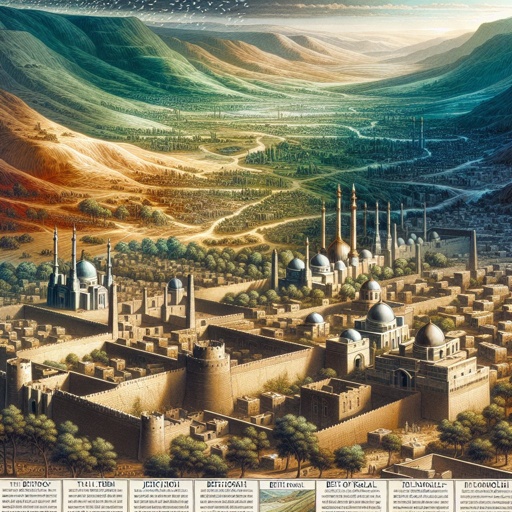
Joshua 18:21 - "Now the cities of the tribe of the children of Benjamin according to their families were Jericho, and Beth-hoglah, and the valley of Keziz,"
"Now the cities of the tribe of the children of Benjamin according to their families were Jericho, and Beth-hoglah, and the valley of Keziz," - Joshua 18:21

Joshua 21:18 - "Anathoth with her suburbs, and Almon with her suburbs; four cities."
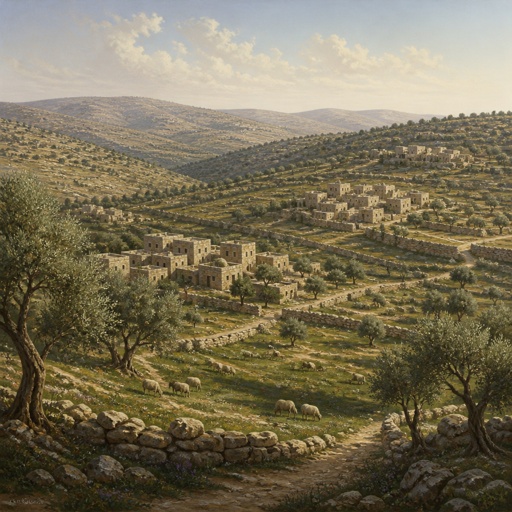
"Anathoth with her suburbs, and Almon with her suburbs; four cities." - Joshua 21:18

Joshua 24:21 - "And the people said unto Joshua, Nay; but we will serve the LORD."

Joshua 11:18 - "Joshua made war a long time with all those kings."

Joshua 18:10 - "¶ And Joshua cast lots for them in Shiloh before the LORD: and there Joshua divided the land unto the children of Israel according to their divisions."

Joshua 10:18 - "And Joshua said, Roll great stones upon the mouth of the cave, and set men by it for to keep them:"

Joshua 18:25 - "Gibeon, and Ramah, and Beeroth,"

Joshua 18:23 - "And Avim, and Parah, and Ophrah,"

Joshua 18:27 - "And Rekem, and Irpeel, and Taralah,"

Joshua 13:18 - "And Jahazah, and Kedemoth, and Mephaath,"

Joshua 18:26 - "And Mizpeh, and Chephirah, and Mozah,"

Joshua 10:21 - "And all the people returned to the camp to Joshua at Makkedah in peace: none moved his tongue against any of the children of Israel."

Joshua 21:21 - "For they gave them Shechem with her suburbs in mount Ephraim, to be a city of refuge for the slayer; and Gezer with her suburbs,"

Joshua 18:18 - "And passed along toward the side over against Arabah northward, and went down unto Arabah:"

Joshua 18:9 - "And the men went and passed through the land, and described it by cities into seven parts in a book, and came again to Joshua to the host at Shiloh."

Joshua 8:21 - "And when Joshua and all Israel saw that the ambush had taken the city, and that the smoke of the city ascended, then they turned again, and slew the men of Ai."

Joshua 18:22 - "And Beth-arabah, and Zemaraim, and Beth-el,"

Joshua 12:21 - "The king of Taanach, one; the king of Megiddo, one;"

Joshua 21:14 - "And Jattir with her suburbs, and Eshtemoa with her suburbs,"

Joshua 21:15 - "And Holon with her suburbs, and Debir with her suburbs,"

Joshua 19:18 - "And their border was toward Jezreel, and Chesulloth, and Shunem,"

"And the people said unto Joshua, Nay; but we will serve the LORD." - Joshua 24:21

Joshua 11:21 - "¶ And at that time came Joshua, and cut off the Anakims from the mountains, from Hebron, from Debir, from Anab, and from all the mountains of Judah, and from all the mountains of Israel: Joshua destroyed them utterly with their cities."

Joshua 21:1 - "Then came near the heads of the fathers of the Levites unto Eleazar the priest, and unto Joshua the son of Nun, and unto the heads of the fathers of the tribes of the children of Israel;"

Joshua 8:18 - "And the LORD said unto Joshua, Stretch out the spear that is in thy hand toward Ai; for I will give it into thine hand. And Joshua stretched out the spear that he had in his hand toward the city."

Joshua 12:18 - "The king of Aphek, one; the king of Lasharon, one;"

Joshua 19:21 - "And Remeth, and En-gannim, and En-haddah, and Beth-pazzez;"

"Joshua made war a long time with all those kings." - Joshua 11:18