Possessing the Land: Lessons from the Boundaries
"And Beth-peor, and Ashdoth-pisgah, and Beth-jeshimoth," - Joshua 13:20
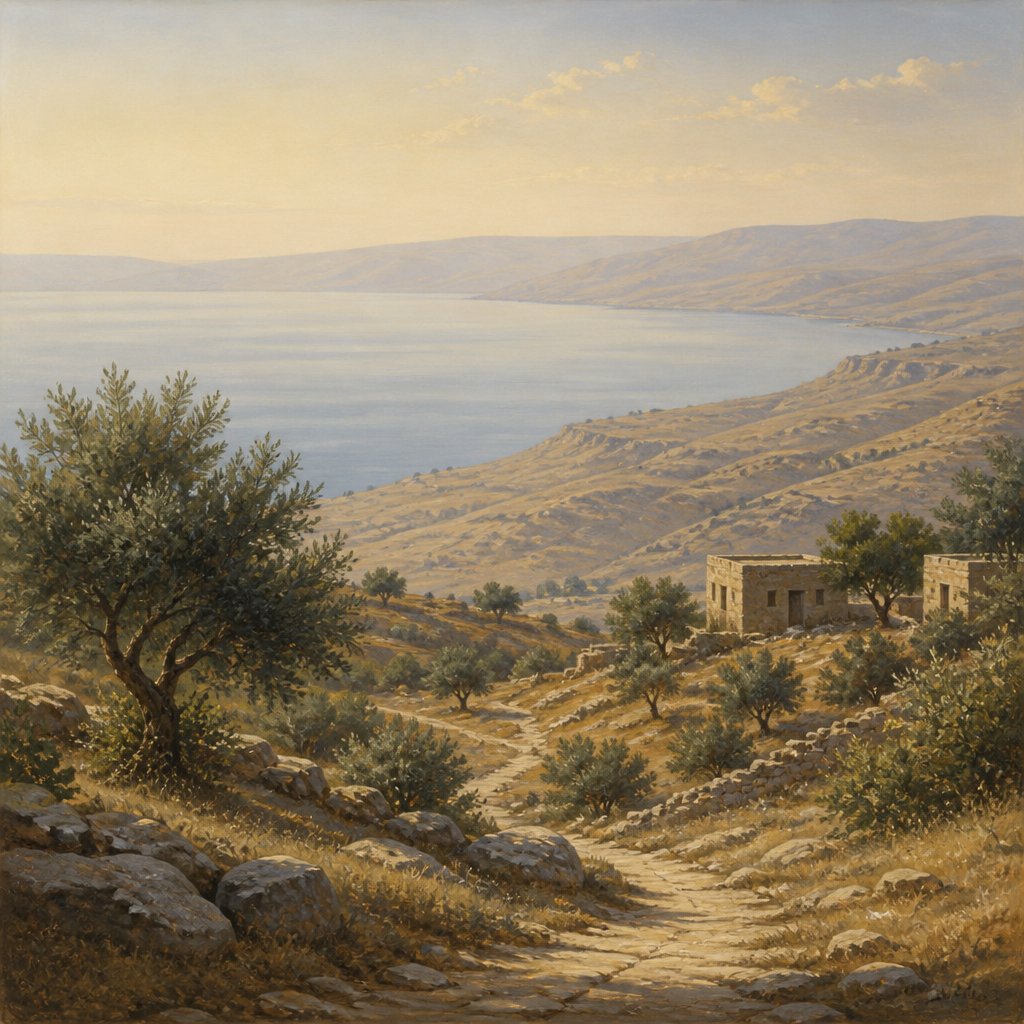
In Joshua 13:20, we read, "And Beth-peor, and Ashdoth-pisgah, and Beth-jeshimoth." These names, seemingly just a list of places, reveal much about God’s guidance and the significance of claiming what He has promised.
The backdrop of this scripture is the land of Canaan, the land promised to the Israelites after their long sojourn through the wilderness. Under Joshua’s leadership, the people had begun to take hold of that promise. The mention of specific locations like Beth-peor, Ashdoth-pisgah, and Beth-jeshimoth serves not only as geographical markers but also as spiritual reminders of the battles fought and won, and the territories to be claimed.
### The Significance of Place
Each name contains a deeper meaning that transcends history. Beth-peor, for example, is linked with the Baal worship which caused great temptation to the Israelites. It serves as a warning about the influences that plague our lives. As we claim our spiritual inheritance, we must remain mindful of the areas in our lives where worldly influences can lead us away from God’s paths. Just as the Israelites were cautioned to avoid the pitfalls associated with Beth-peor, we too must guard our hearts against the distractions that threaten our relationship with the Lord.
Ashdoth-pisgah is known for its heights, possibly a reference to a vantage point from which one could oversee the land. This speaks to us of perspective. When we’re facing challenges, like Israel did when confronting the giants in the Promised Land, it’s vital to remember that God sees the bigger picture. When we feel overwhelmed, we can take comfort in knowing that God’s plan for us extends far beyond our immediate circumstances. As Romans 8:28 assures us, "And we know that all things work together for good to them that love God, to them who are the called according to his purpose."
Finally, Beth-jeshimoth, which is often linked to desolations, prompts reflection on our past failures and disappointments. While this place may symbolize loss or barren areas of our lives, it also highlights the importance of God’s restoration. He specializes in breathing life into barren spaces. If we allow Him to work within us, those desolate places can become sources of new life and strength. Just as God was with the Israelites, He is with us, ready to turn our desolation into abundance.
### Applying the Lessons
The mention of these three places within the scripture serves as a divine appointment where we can reflect on our own spiritual journey.
1. **Identify Your Beth-Peor**: What are the influences in your life that pull you away from God? Is it a relationship, a habit, or a thought pattern? Identifying these “Beth-Peors” is crucial for personal growth. Ask the Lord for wisdom and strength to resist their pull.
2. **Seek God’s Perspective**: Find your Ashdoth-pisgah where you can rise above your challenges. This could be through prayer, worship, or reading scripture. When we seek His perspective, doubts and fears dissipate in the light of His truth.
3. **Embrace Restoration**: Where in your life do you feel desolation? Bring those areas to God in prayer. Ask Him to reveal how He can transform your barren experiences into testimonies of His goodness and grace. Allow Him to work through your struggles to bring forth new life.
### Conclusion
In conquering the land, the Israelites were not just taking possession of physical territories but also engaging in spiritual warfare. Likewise, in our Christian journey, we are called to claim our inheritance in Christ, overcoming the spiritual obstacles represented by our Beth-peors, Ashdoth-pisgahs, and Beth-jeshimoths.
Let each place mentioned in Joshua 13:20 serve as an encouragement for us to take hold of our spiritual inheritance. May we possess the land God has promised with courage and conviction, knowing that He is with us every step of the way.
Want to reflect more on Joshua 13:20?
Continue your spiritual journey with Bible Chat — an AI-powered tool for exploring God's Word through conversation. Ask questions, discover connections, and deepen your understanding.
Get Our Apps


Joshua 13:20 Artwork

Joshua 13:20 - "And Beth-peor, and Ashdoth-pisgah, and Beth-jeshimoth,"

"And Beth-peor, and Ashdoth-pisgah, and Beth-jeshimoth," - Joshua 13:20

Joshua 20:1 - "The LORD also spake unto Joshua, saying,"

Joshua 6:20

Joshua 6:20

Joshua 4:20 - "And those twelve stones, which they took out of Jordan, did Joshua pitch in Gilgal."

Joshua 19:20 - "And Rabbith, and Kishion, and Abez,"

Joshua 14:13 - "And Joshua blessed him, and gave unto Caleb the son of Jephunneh Hebron for an inheritance."

"The LORD also spake unto Joshua, saying," - Joshua 20:1

Joshua 5:13

Joshua 7:20 - "And Achan answered Joshua, and said, Indeed I have sinned against the LORD God of Israel, and thus and thus have I done:"

Joshua 13:18 - "And Jahazah, and Kedemoth, and Mephaath,"

Joshua 15:20 - "This is the inheritance of the tribe of the children of Judah according to their families."

Joshua 11:13 - "But as for the cities that stood still in their strength, Israel burned none of them, save Hazor only; that did Joshua burn."

Joshua 12:20 - "The king of Shimron-meron, one; the king of Achshaph, one;"

"And Rabbith, and Kishion, and Abez," - Joshua 19:20

Joshua 5:13 (KJVA) 13 And it came to pass, when Joshua was by Jericho, that he lifted up his eyes and looked, and, behold, there stood a man over against him with his sword drawn in his hand: and Joshua went unto him, and said unto him, Art thou for us, or for our adversaries?

Joshua 8:13 - "And when they had set the people, even all the host that was on the north of the city, and their liers in wait on the west of the city, Joshua went that night into the midst of the valley."

Joshua 13:13 - "Nevertheless the children of Israel expelled not the Geshurites, nor the Maachathites: but the Geshurites and the Maachathites dwell among the Israelites until this day."

Joshua 12:13 - "The king of Debir, one; the king of Geder, one;"

Joshua 13:19 - "And Kirjathaim, and Sibmah, and Zareth-shahar in the mount of the valley,"

Exodus 17:13 - "And Joshua discomfited Amalek and his people with the edge of the sword."

Joshua 13:28 - "This is the inheritance of the children of Gad after their families, the cities, and their villages."

Joshua 13:1 - "Now Joshua was old and stricken in years; and the LORD said unto him, Thou art old and stricken in years, and there remaineth yet very much land to be possessed."

Joshua 10:20 - "And it came to pass, when Joshua and the children of Israel had made an end of slaying them with a very great slaughter, till they were consumed, that the rest which remained of them entered into fenced cities."

"And those twelve stones, which they took out of Jordan, did Joshua pitch in Gilgal." - Joshua 4:20

"And Jahazah, and Kedemoth, and Mephaath," - Joshua 13:18

Joshua 13:2 - "This is the land that yet remaineth: all the borders of the Philistines, and all Geshuri,"

Joshua 15:13 - "¶ And unto Caleb the son of Jephunneh he gave a part among the children of Judah, according to the commandment of the LORD to Joshua, even the city of Arba the father of Anak, which city is Hebron."

"And Joshua blessed him, and gave unto Caleb the son of Jephunneh Hebron for an inheritance." - Joshua 14:13