From Darkness to Sight: A Journey of Transformation
"¶ The neighbours therefore, and they which before had seen him that he was blind, said, Is not this he that sat and begged?" - John 9:8
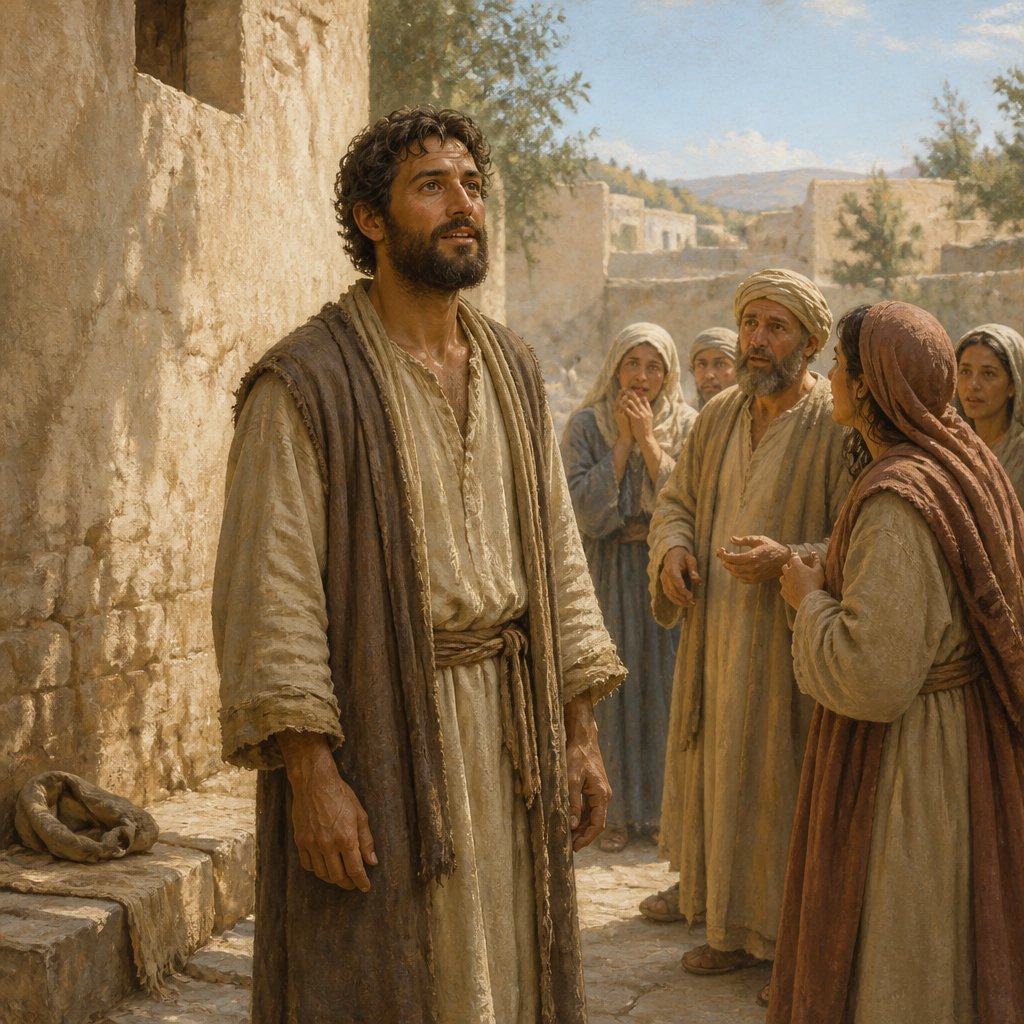
John 9:8 (KJV) states, “The neighbours therefore, and they which before had seen him that he was blind, said, Is not this he that sat and begged?” This verse encapsulates a powerful moment of recognition and transformation. To fully appreciate its significance, we must dive deeper into the narrative that surrounds this moment and explore the implications it has for our own lives.
In the Gospel of John, we encounter a man who had been blind from birth. His existence was marked not only by physical blindness but also by a societal label of inadequacy, as he was reduced to being a beggar. This reflects a harsh reality faced by many: being defined by our limitations rather than our possibilities. The desperation of this man's situation might resonate with many of us who feel marginalized or trapped by our circumstances. Yet, in his blindness, the man would soon come to experience the most profound form of healing—one not just for his eyes but for his identity.
The process of healing begins when Jesus approaches the blind man. It is significant that Jesus does not shy away from the less desirable members of society. Instead, He seeks out this man, demonstrating His heart for the marginalized. He doesn’t merely restore physical sight; He touches the very essence of what it means to be seen and accepted. When He placed mud on the man’s eyes and instructed him to wash in the pool of Siloam, He initiated a transformative process. The act of washing away the mud symbolizes our journey of faith—the willingness to submit to God’s methods, to cleanse ourselves from our past, and to embrace the new identity He offers.
As the man returns, with his sight restored, his neighbors react with confusion. They recognize him but struggle to reconcile the change in him. This reflects a broader truth: transformation can evoke disbelief and skepticism in those around us. When we surrender our lives to Christ and allow Him to work within us, we may disrupt the expectations others have of us. Just as the neighbors question the man’s identity, others may question the legitimacy of our transformation.
Yet, this is also an invitation for us to testify to the change Christ has made in our lives. The blind man becomes an unwilling but powerful witness to Jesus’ miraculous work. In verse 9, he boldly declares, “I am he.” This simple statement is profound. The man is not merely stating a fact but claiming his new identity as a healed individual. His affirmation is a declaration of hope, not just for himself but for all who witness this change. It reminds us that our past does not define us; our encounter with Christ does.
Often, we find ourselves in situations where we may feel limited by our past or our experiences. We may focus on what we lack—whether it be in our capabilities, resources, or status in society. However, the story of this blind man teaches us that our identity is not rooted in our past circumstances. Each of us has the potential to be transformed by the power of Jesus. Just as He restored sight to the blind man, He sees us in our brokenness and invites us into His light.
As we reflect on John 9:8, let us ask ourselves: how do we identify ourselves? Are we still clinging to the labels that society has placed upon us? Or do we embrace the new identity that God offers? Just as the blind man was seen and recognized after his healing, we too are invited to step into our new identities as beloved children of God—transformed, accepted, and equipped to shine His light in a world that desperately needs hope.
In conclusion, may we be encouraged to share our testimonies of transformation, knowing that these stories not only nourish our own faith but also inspire those around us to see the miracles God is working in us. Just like the man who once sat begging, we can rise and declare, “I am he,” embracing our new lives filled with promise and purpose.
Want to reflect more on John 9:8?
Continue your spiritual journey with Bible Chat — an AI-powered tool for exploring God's Word through conversation. Ask questions, discover connections, and deepen your understanding.
Get Our Apps


John 9:8 Artwork

John 9:8 - "¶ The neighbours therefore, and they which before had seen him that he was blind, said, Is not this he that sat and begged?"
"¶ The neighbours therefore, and they which before had seen him that he was blind, said, Is not this he that sat and begged?" - John 9:8

John 6:8-9

numbers 21:8-9 & John 3:14

John 8:9 - "And they which heard it, being convicted by their own conscience, went out one by one, beginning at the eldest, even unto the last: and Jesus was left alone, and the woman standing in the midst."

John 5:8-9 - "Jesus said to him, “Get up; take up your bed, and walk.” And at once the man was healed, and he took up his bed and walked. Now that day was the Sabbath."

John 8

John 8:44

John 8:44

John 8:44

1 John 4:8-9 - "Whoever does not love does not know God, because God is love. This is how God showed his love among us: He sent his one and only Son into the world that we might live through him."

John 8:8 - "And again he stooped down, and wrote on the ground."

john 21:9

John 8:12

John 10:9

John 10:9

John 10:9

John 8:12

John 8:12

John 8:12

John 9:1-3

John 13:4-9

John 9:1-41

1 John 1:9

John 3:5-8

John 15:1-8

John 3:5-8

John 8:4-11

John 15:9-10

John 15:9-10