The Power of God in Our Lives
"If this man were not of God, he could do nothing." - John 9:33
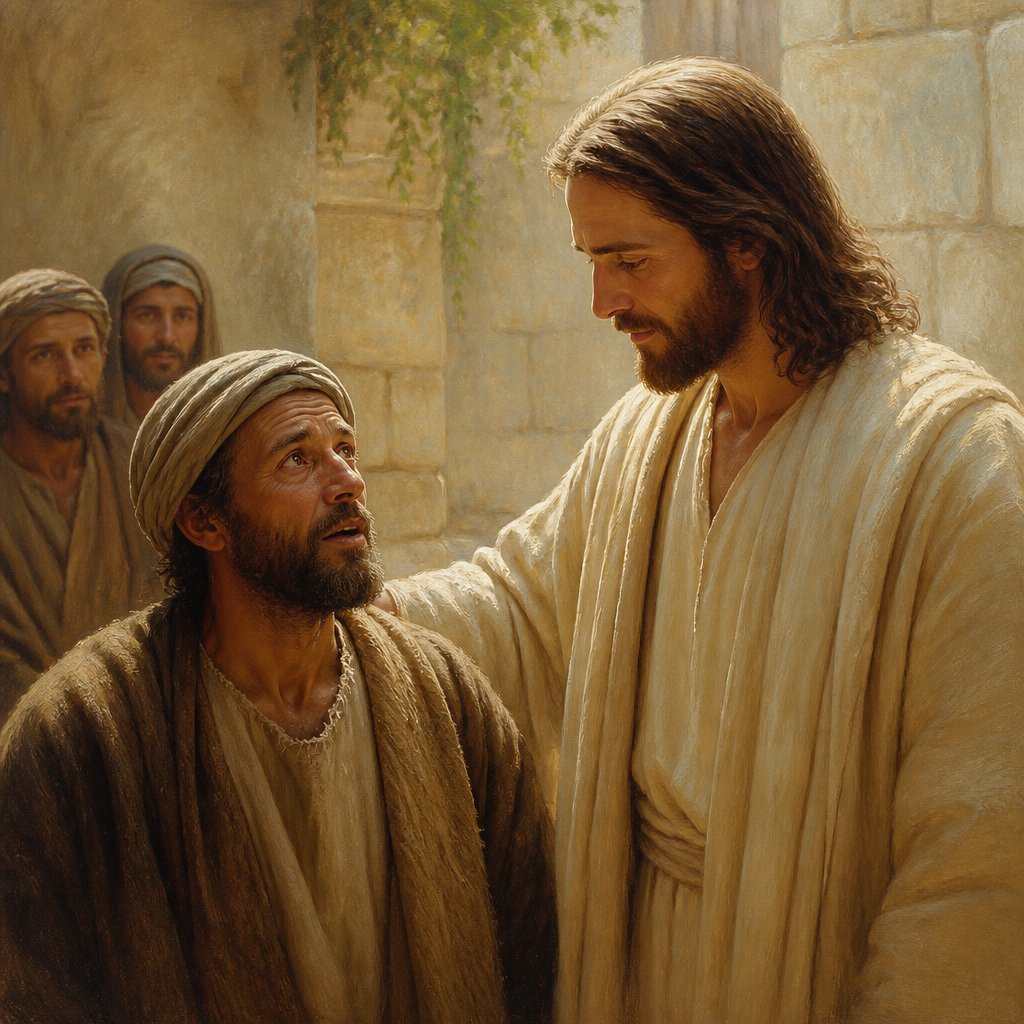
In John 9:33, we find a profound statement that can transform our understanding of the divine and our relationship with Him: "If this man were not of God, he could do nothing." This verse emerges from a dramatic miracle where Jesus heals a man who was born blind. The healing not only restored the man’s sight, but it also brought forth a series of confrontations with religious authorities, challenging their notions of authority and divine power.
To appreciate the depth of this verse, we must first reflect on the context of this encounter. The blind man’s miraculous healing by Jesus was a clear manifestation of God’s power and grace. The Pharisees, entrenched in their own traditions and beliefs, were unable to see beyond their religious judgments. They tried to invalidate the miracle by questioning the legitimacy of Jesus. They could not fathom how a man who healed on the Sabbath could possibly be from God. Yet, in the simple wisdom of the healed man, we find the truth of Jesus’ divine authority: His actions were undeniably linked to the power of God.
This brings us to a critical reflection point: how do we recognize God’s hand in our lives? The healed blind man had a personal encounter with Jesus that transformed his existence. He was once blind, living in darkness, and after Jesus’ intervention, he could see. There is profound application for us when we think about our own spiritual blindness. How often do we wander through life without recognizing the workings of God around us?
The notion that “if this man were not of God, he could do nothing” challenges us today to evaluate our lives in light of divine purpose. It compels us to ask ourselves: Are our lives marked by God’s influence? Can our actions and accomplishments be attributed to His guidance and power?
In contemporary life, we can sometimes attain success or accomplish noteworthy deeds without attributing them to God. We might celebrate our victories while forgetting to acknowledge that all good gifts come from Him (James 1:17). Each blessing we experience is a reflection of His goodness and grace. This acknowledgment does not diminish our hard work but highlights the truth that we are vessels activated by His power.
As believers, we have a calling to be conduits of God’s presence in the world. Just as the blind man testified to the power of Christ, we, too, are called to share the goodness we have experienced. Each time we step into our communities, speak hope into a friend’s life, serve those in need, or display love and grace, we are demonstrating the reality that God is at work through us.
Moreover, it’s a comfort to know that when we feel inadequate or incapable of moving forward in our lives, we can rely on the assurance that it is not by our might, but by His spirit (Zechariah 4:6). The understanding that we can do nothing apart from Him liberates us from the weight of self-reliance and perfectionism, allowing us to rest in His sufficiency.
In concluding this reflection on John 9:33, we must consistently seek the presence of God in our daily lives. Let us be people who, like the healed blind man, boldly proclaim the works of the Lord and recognize that our lives are ultimately a testament to His glory. May we cultivate a heart that maintains a keen awareness of God’s activity and influence, ever dependent on His power, knowing that "if this man were not of God, he could do nothing." Embrace this truth today and watch how it transforms your perspective on life, empowering you to live boldly for Christ.
Let us pray:
Heavenly Father, thank you for the truth that you are at work in our lives. Help us to recognize your presence and power in all that we do. May our lives reflect your glory, and may we never forget that apart from you, we can do nothing. Empower us to be instruments of your love and grace in the world. In Jesus’ name, Amen.
Want to reflect more on John 9:33?
Continue your spiritual journey with Bible Chat — an AI-powered tool for exploring God's Word through conversation. Ask questions, discover connections, and deepen your understanding.
Get Our Apps


John 9:33 Artwork

John 9:33 - "If this man were not of God, he could do nothing."
"If this man were not of God, he could do nothing." - John 9:33

John 16:33

John 16:33

John 16:33

John 16:33
John 16:33

John 16:33

John 16 : 33

John 1:33

John 5:33 - "Ye sent unto John, and he bare witness unto the truth."

John 12:33 - "This he said, signifying what death he should die."

Ezekiel 33:3-9

John 19:33 - "But when they came to Jesus, and saw that he was dead already, they brake not his legs:"

"Ye sent unto John, and he bare witness unto the truth." - John 5:33

John 3:33 - "He that hath received his testimony hath set to his seal that God is true."

Mark 14:33 - "And he taketh with him Peter and James and John, and began to be sore amazed, and to be very heavy;"

John 4:33 - "Therefore said the disciples one to another, Hath any man brought him ought to eat?"

John 6:33 - "For the bread of God is he which cometh down from heaven, and giveth life unto the world."

Psalms 33:9 - "For he spake, and it was done; he commanded, and it stood fast."

John 18:33 - "Then Pilate entered into the judgment hall again, and called Jesus, and said unto him, Art thou the King of the Jews?"

Luke 7:33 - "For John the Baptist came neither eating bread nor drinking wine; and ye say, He hath a devil."
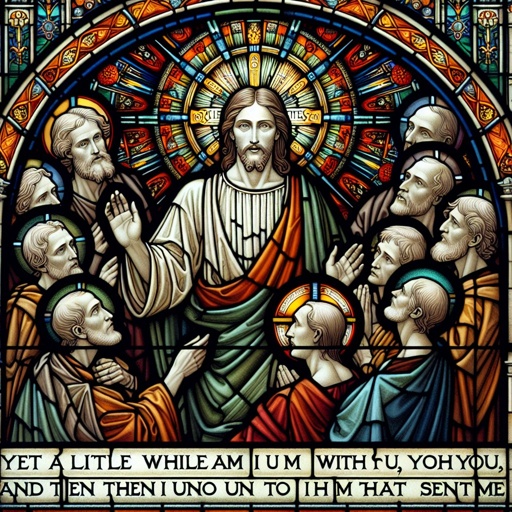
John 7:33 - "Then said Jesus unto them, Yet a little while am I with you, and then I go unto him that sent me."

john 21:9

John 11:33 - "When Jesus therefore saw her weeping, and the Jews also weeping which came with her, he groaned in the spirit, and was troubled,"

Job 33:9 - "I am clean without transgression, I am innocent; neither is there iniquity in me."

John 10:9

John 10:9

John 10:9

Luke 5:33 - "¶ And they said unto him, Why do the disciples of John fast often, and make prayers, and likewise the disciples of the Pharisees; but thine eat and drink?"