Seeing Beyond the Clay
"Then again the Pharisees also asked him how he had received his sight. He said unto them, He put clay upon mine eyes, and I washed, and do see." - John 9:15
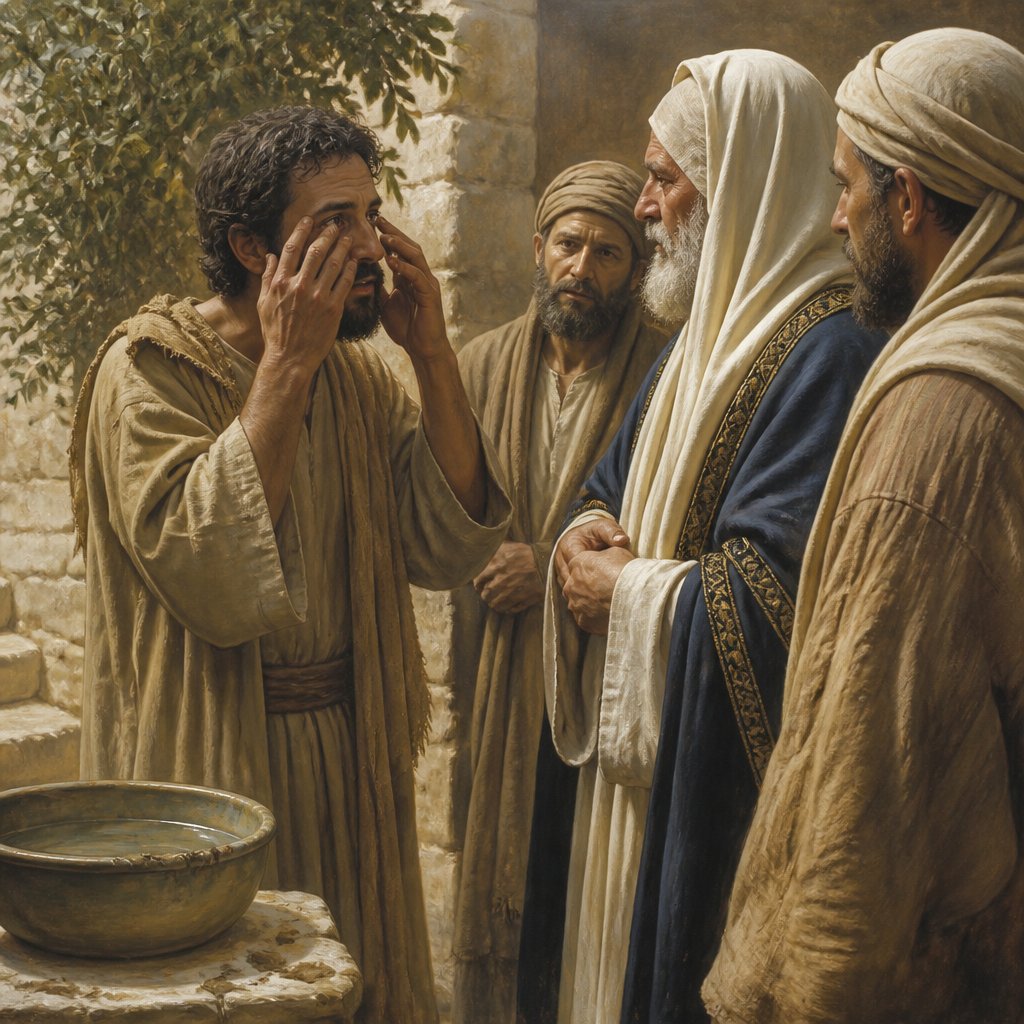
The narrative of John 9:15 encapsulates not only a physical healing but also a profound spiritual lesson about faith, testimony, and the revelation of truth. The verse reads: "Then again the Pharisees also asked him how he had received his sight. He said unto them, He put clay upon mine eyes, and I washed, and do see." In this moment, we witness the intersection of miracle and skepticism, where one man’s life is fundamentally changed while the religious leaders are grappling with their preconceived notions of authority and understanding of the divine.
At the heart of this verse is the simple yet profound act of washing away the clay that was applied to the blind man's eyes. This clay was not a mere physical barrier; it represented the obstacles in our ability to see the truth. The blind man's journey from darkness to light speaks volumes about how our own spiritual blindness can be removed. He acknowledges that it was Jesus who performed the miracle, a profound declaration of faith and truth that stands in stark contrast to the doubts and skepticism of the Pharisees.
Jesus’ method of healing by using clay is significant. In the creation account in Genesis, God formed man from the dust of the earth. Here, Jesus uses clay to remind us of our origins and His sovereign power over creation. By spitting into the ground and making the clay, He demonstrates that all authority over life and physical restoration comes from Him. The act of putting clay on the man's eyes wasn't just about restoring sight; it was about reminding him (and us) that God uses the ordinary to accomplish the extraordinary. So often in our lives, we may overlook the ways God is working through simple acts or humble circumstances.
The blind man's obedience in washing his eyes speaks of trust and action. He could have questioned why he needed to wash or debated the absurdity of using mud to gain sight. Instead, he responded with faith. His obedience led to transformation—not just physically, but spiritually. We too are called to follow Jesus’ instructions even when they don’t make logical sense according to our worldview. How often do we resist God’s guidance because we cannot grasp the purpose behind His commands?
Then there’s the response of the Pharisees, who are not seeking truth but rather trying to uphold their own beliefs and traditions. Their inquiry into how this miracle occurred is a reflection of their fear of losing control. They miss the miracle because they are too entrenched in their rigid interpretations of law and theology. This stark contrast serves as a warning for us; we must remain open to God’s workings in ways that challenge our understanding. When God acts outside of our expectations, it is our faith and humility that allow us to embrace His greater plan and purpose.
In times when we feel like we are fumbling in darkness, we can reflect on the story of the blind man. He went from being an outcast to a witness, proclaiming not just his healing but the truth of who healed him. Our pain and struggles can be transformed into powerful testimonies of God’s grace and mercy. Each of us carries our own 'clay' which blurs our vision—be it doubt, fear, or past trauma. In the act of obedience and washing away these barriers, we position ourselves to truly see God’s hand in our lives.
Ultimately, John 9:15 compels us to ask ourselves: What is our response to God’s miraculous works in our lives? Are we like the blind man, ready to testify to His goodness? Or are we more like the Pharisees, hesitant and skeptical? God’s work often involves the messy and unexpected. But through faith, obedience, and testimony, we will find that our once-blurred vision becomes clear as we choose to see Him at work.
Want to reflect more on John 9:15?
Continue your spiritual journey with Bible Chat — an AI-powered tool for exploring God's Word through conversation. Ask questions, discover connections, and deepen your understanding.
Get Our Apps


John 9:15 Artwork

John 9:15 - "Then again the Pharisees also asked him how he had received his sight. He said unto them, He put clay upon mine eyes, and I washed, and do see."
"Then again the Pharisees also asked him how he had received his sight. He said unto them, He put clay upon mine eyes, and I washed, and do see." - John 9:15

John 15:9-10

John 15:9-10

John 15:9 - "As the Father hath loved me, so have I loved you: continue ye in my love."

John 15:7

John 15:7
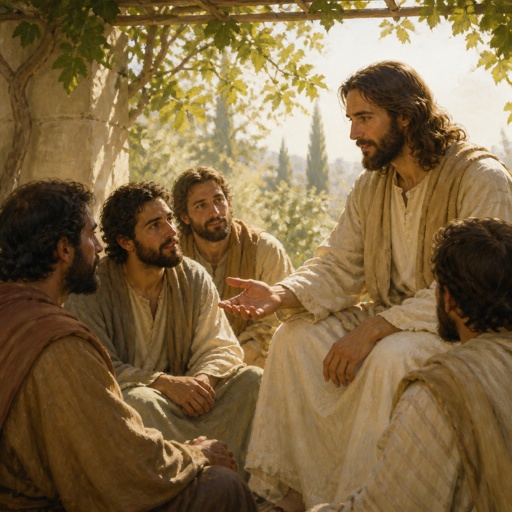
"As the Father hath loved me, so have I loved you: continue ye in my love." - John 15:9

John 15:5

John 15:5

John 15 The Vine

John 15:9-10 - "As the Father has loved me, so have I loved you. Now remain in my love. If you keep my commands, you will remain in my love, just as I have kept my Father’s commands and remain in his love."

john 21:9

John 15:26 NLT

John 14:15-21

John 15:1-8

John 10:9

John 10:9

John 10:9

John 21:15-19

John 6:8-9

John 9:1-3

John 13:4-9

John 9:1-41

1 John 1:9

John 16:9 - "Of sin, because they believe not on me;"

John 14:15 - "¶ If ye love me, keep my commandments."

John 9:9 - "Some said, This is he: others said, He is like him: but he said, I am he."

John 15:23 - "He that hateth me hateth my Father also."
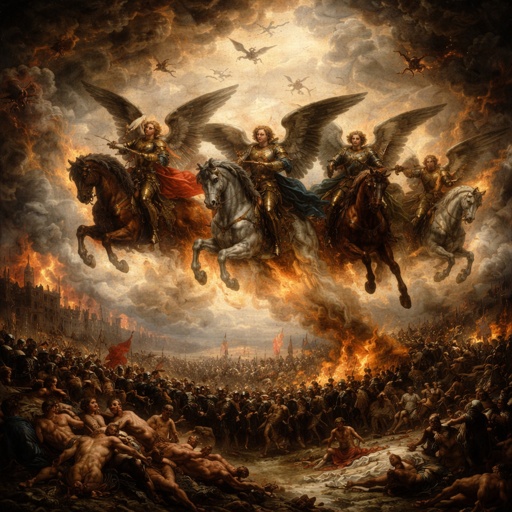
Rev 9:15