Greater Than Abraham: The Depths of Our Savior's Identity
"Art thou greater than our father Abraham, which is dead? and the prophets are dead: whom makest thou thyself?" - John 8:53
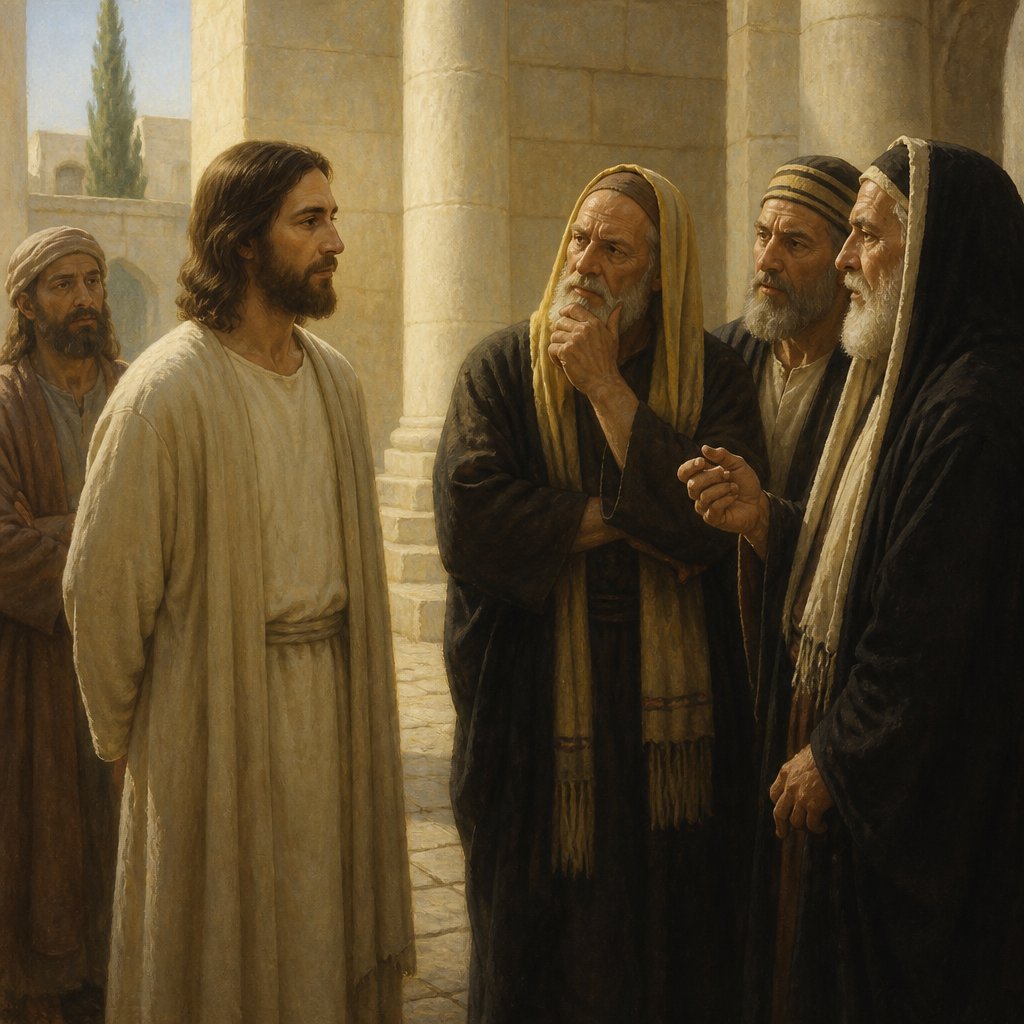
In the Gospel of John, chapter 8, we encounter a significant moment in the discourse between Jesus and the religious leaders of His time. The key verse, John 8:53 states, "Art thou greater than our father Abraham, which is dead? and the prophets are dead: whom makest thou thyself?" This question was posed to challenge Jesus’ authority and divinity. To unpack this verse and its implications, we delve into the historical context, the identity of Jesus, and our response as believers today.
Firstly, we must understand who Abraham represents in Jewish thought. Abraham is revered as the patriarch of the Hebrew people—the father of faith. He was not only a man of promise but also the recipient of God’s covenant, making him the father of multitudes. To the religious leaders, equating oneself with Abraham was not merely outrageous; it was scandalous. They placed their identity and national pride in their lineage from Abraham, viewing him as the ultimate model of faith. Thus, asking if Jesus was greater than Abraham was aimed at undermining Jesus’ claim to any divine authority.
However, Jesus continually reframes the narrative of greatness throughout His ministry. In John 8, He responds to their incredulity by revealing deeper truths about His identity. He asserts that His existence and authority transcend that of Abraham. This realization demands that we reflect on the person of Christ—not just as a historical figure but as the eternal Son of God. He states, "Before Abraham was, I am" (John 8:58). In this declaration, Jesus identifies Himself with the eternal nature of God. He wasn't just proclaiming greatness; He was unveiling His divine nature.
Jesus’ affirmation of His identity shifts the paradigm—He is not only a prophet or a teacher, but He stands as part of the divine plan of salvation. His incarnation and existence pose a challenge to the established religious order and the ways people understand God. The tension intensifies in this exchange; it translates to questions we must all grapple with in our faith: Who do we believe Jesus to be?
As we meditate on this scripture, we recognize that the question posed by the Jewish leaders resonates through the ages. "Whom makest thou thyself?" is not just directed at Jesus; it becomes reflective for us as believers today. In a world that offers countless distractions and identities, we must clarify who Jesus is in our lives. He is our Redeemer, our Shepherd, and our King—and understanding this prompts us to re-evaluate our priorities, purpose, and identity.
Moreover, the challenge that Abraham’s descendants placed upon Jesus reflects a broader human tendency to cling to the past and the familiar. Believers may find themselves wedged between cultural expectations and the radical call of Christ. Like the religious leaders, we can become defensive of our traditions or misunderstandings about who Jesus really is. The moment we answer 'yes' or 'no' to the question of Jesus' authority over our lives, we enter the path toward transformation.
In your personal walk with Christ, consider this: Are you holding onto something—or someone—greater than Jesus? Are there traditions, identities, or ideas that threaten to overshadow the truth of His greatness? When faced with the question of who Jesus is, may we not respond with hesitation or doubt but with a heartfelt understanding that He is indeed greater than all our figures of faith, our highest aspirations, and our deepest wounds.
Finally, embrace the truth that in recognizing the greatness of Jesus, we find our own identity. Just as He was greater than Abraham, He makes us co-heirs of His grace. This demands a life lived out in faith, not in fear or in the shadow of past figures or thoughts. Let us step boldly into the calling to reflect Christ’s identity in a world that desperately needs His light and love. In all things, may we proclaim confidently, "Our Savior is greater!"
Want to reflect more on John 8:53?
Continue your spiritual journey with Bible Chat — an AI-powered tool for exploring God's Word through conversation. Ask questions, discover connections, and deepen your understanding.
Get Our Apps


John 8:53 Artwork
John 8:53 - "Art thou greater than our father Abraham, which is dead? and the prophets are dead: whom makest thou thyself?"
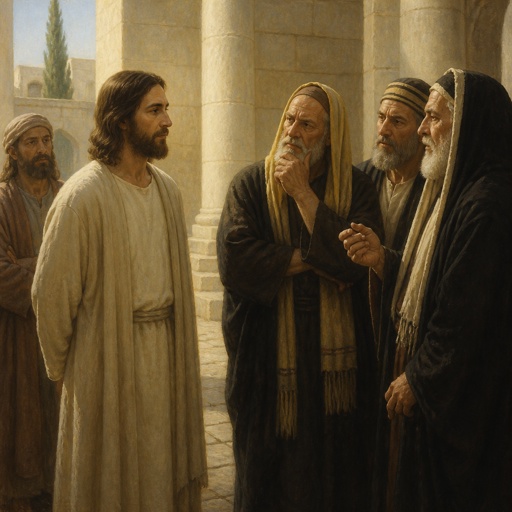
"Art thou greater than our father Abraham, which is dead? and the prophets are dead: whom makest thou thyself?" - John 8:53

John 7:53 - "And every man went unto his own house."

John 11:53 - "Then from that day forth they took counsel together for to put him to death."

Luke 8:53 - "And they laughed him to scorn, knowing that she was dead."

"And every man went unto his own house." - John 7:53

John 4:53 - "So the father knew that it was at the same hour, in the which Jesus said unto him, Thy son liveth: and himself believed, and his whole house."

"And they laughed him to scorn, knowing that she was dead." - Luke 8:53

"Then from that day forth they took counsel together for to put him to death." - John 11:53

Isaiah 53:8 - "He was taken from prison and from judgment: and who shall declare his generation? for he was cut off out of the land of the living: for the transgression of my people was he stricken."

1 Kings 8:53 - "For thou didst separate them from among all the people of the earth, to be thine inheritance, as thou spakest by the hand of Moses thy servant, when thou broughtest our fathers out of Egypt, O Lord GOD."

John 8

John 8:44

John 8:44

John 8:44

John 8:8 - "And again he stooped down, and wrote on the ground."

John 8:12

John 8:12

John 8:12

John 8:12
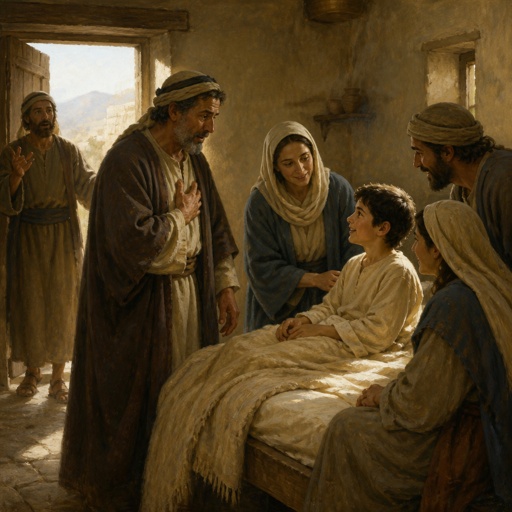
"So the father knew that it was at the same hour, in the which Jesus said unto him, Thy son liveth: and himself believed, and his whole house." - John 4:53
John 3:5-8

John 6:8-9

John 15:1-8

John 3:5-8

John 8:4-11

John 3:3-8

John 3:5-8

John 8:1 - "Jesus went unto the mount of Olives."

John 8:27 - "They understood not that he spake to them of the Father."