The Illusion of Freedom: Examining True Liberation in Christ
"¶ They answered him, We be Abraham's seed, and were never in bondage to any man: how sayest thou, Ye shall be made free?" - John 8:33
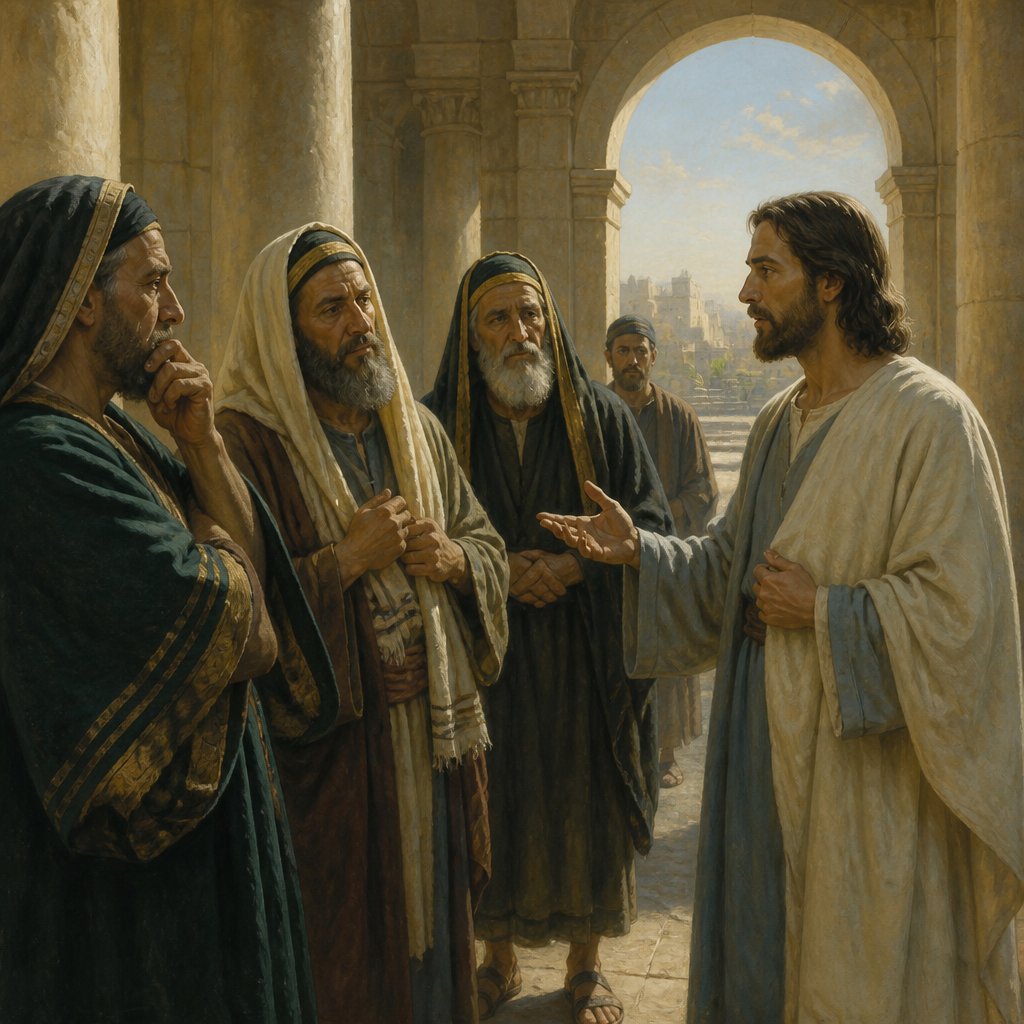
John 8:33 states, "They answered him, We be Abraham's seed, and were never in bondage to any man: how sayest thou, Ye shall be made free?" This verse takes us into a profound exchange between Jesus and the Jews of His time, a conversation that peels back the layers of human perception of freedom and bondage.
The Jews proudly declare their lineage, claiming the legacy of Abraham, the father of faith, who was known for his obedience to God and steadfastness in covenant. Their boast of being Abraham's seed is reflective of their identity, their heritage, and their moral standing in the community. They believed that because of their ancestry, they were automatically entitled to a special status before God. Yet, they overlooked a fundamental truth that Jesus was revealing to them about spiritual bondage versus physical lineage.
The response of the Jews—"we were never in bondage to any man"—is striking. Historically, this statement is questionable. The Jews had endured slavery in Egypt, oppression under Babylon, and were currently under Roman rule. Their assertion indicates a blind spot; they could not see their dire condition. They were not in physical chains at that moment, but their hearts and minds were in a deeper bondage—one of sin and separation from God. This is where Jesus steps in with profound truth.
When Jesus speaks of the ‘freedom’ that He offers, He is not addressing their temporal state but rather their spiritual condition. Regardless of their ancestry, the truth they were missing was that they were held captive by their sin. Paul reiterates this in Romans 6:16-18, reminding us that "know ye not, that to whom ye yield yourselves servants to obey, his servants ye are to whom ye obey; whether of sin unto death, or of obedience unto righteousness?" The Jews believed they were free based on their biological lineage and social standing, yet Jesus was teaching them about a far greater freedom—one that compels the heart to turn towards the righteousness of God.
So, how does this translate to our lives today? We often ride the waves of cultural and societal definitions of freedom. We perceive freedom as the ability to do what we wish, the absence of restrictions, or political independence. However, such external circumstances do not truly define freedom in Christ. True freedom encompasses liberation from sin, shame, and the compulsive nature of our desires. The freedom Jesus offers is the ability to live life victoriously, undeterred by the pressures of this world, and to relish in the grace that redeems us.
As modern believers, we need to recognize how easily we can slip into the mindset of self-righteousness, perhaps clinging to our church identity, tradition, or moral standing as indicators of our relationship with Christ, much like the Jews clung to their lineage.
In a world that bombards us with claims to empowerment and freedom—ranging from self-help ideologies to political movements—it's crucial that we filter those messages through the lens of scripture. Are we genuinely experiencing freedom in Christ, or are we merely mimicking the ways of the world while shackling ourselves to sin and destructive habits?
Let us reflect: What areas in our lives do we need to surrender? Are we justifying our actions because of who we are, forgetting that true identity is found in being a new creation in Christ (2 Corinthians 5:17)? Jesus calls us to a radical kind of freedom that shapes our desires and transforms our hearts.
In closing, let us take heed of Jesus’ words and seek His truth. Understanding that we are all in need of liberation from sin can lead us to a depth of relationship with Him that redefines our bondage into a beautiful tapestry of freedom. May we rejoice in the promise found in John 8:36, "If the Son therefore shall make you free, ye shall be free indeed." Embrace this freedom and walk boldly in the path He has laid out for us, living as witnesses of His redemptive love.
Want to reflect more on John 8:33?
Continue your spiritual journey with Bible Chat — an AI-powered tool for exploring God's Word through conversation. Ask questions, discover connections, and deepen your understanding.
Get Our Apps


John 8:33 Artwork

John 8:33 - "¶ They answered him, We be Abraham's seed, and were never in bondage to any man: how sayest thou, Ye shall be made free?"
"¶ They answered him, We be Abraham's seed, and were never in bondage to any man: how sayest thou, Ye shall be made free?" - John 8:33

John 16:33

John 16:33
John 16:33

John 16:33
John 16:33

John 16:33

John 16 : 33

John 1:33

John 5:33 - "Ye sent unto John, and he bare witness unto the truth."

Acts 8:33

John 9:33 - "If this man were not of God, he could do nothing."

John 12:33 - "This he said, signifying what death he should die."

Proverbs 8:33 - "Hear instruction, and be wise, and refuse it not."

John 19:33 - "But when they came to Jesus, and saw that he was dead already, they brake not his legs:"

"Ye sent unto John, and he bare witness unto the truth." - John 5:33

John 3:33 - "He that hath received his testimony hath set to his seal that God is true."

Mark 14:33 - "And he taketh with him Peter and James and John, and began to be sore amazed, and to be very heavy;"

John 4:33 - "Therefore said the disciples one to another, Hath any man brought him ought to eat?"

John 6:33 - "For the bread of God is he which cometh down from heaven, and giveth life unto the world."

John 8

John 8:44

John 18:33 - "Then Pilate entered into the judgment hall again, and called Jesus, and said unto him, Art thou the King of the Jews?"

Luke 7:33 - "For John the Baptist came neither eating bread nor drinking wine; and ye say, He hath a devil."

John 8:44

John 8:44

John 8:8 - "And again he stooped down, and wrote on the ground."
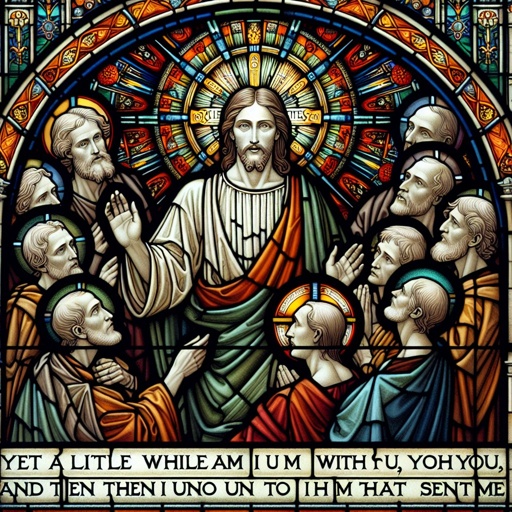
John 7:33 - "Then said Jesus unto them, Yet a little while am I with you, and then I go unto him that sent me."
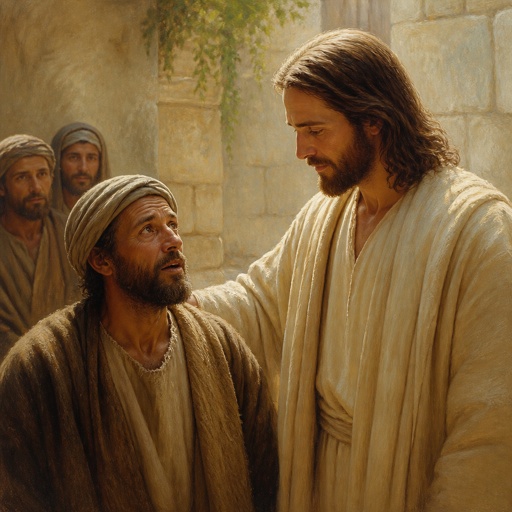
"If this man were not of God, he could do nothing." - John 9:33