The Bread of Life: A Divine Sustenance
"For the bread of God is he which cometh down from heaven, and giveth life unto the world." - John 6:33

In the bustling rhythms of daily life, it is easy to overlook the significance of what truly nourishes our souls. In the Gospel of John, Chapter 6, verse 33, we find a profound declaration: "For the bread of God is he which cometh down from heaven, and giveth life unto the world." This verse encapsulates both the identity of Jesus as the Bread of Life and his ultimate purpose in coming to earth – to provide sustenance, not just for the body, but for the very essence of our spiritual being.
The concept of ‘bread’ is deeply woven into the fabric of earthly existence. It represents not just physical sustenance but also the spiritual nourishment we crave. Throughout scripture, bread has been a symbol of God's provision. In the Old Testament, God provided manna to the Israelites, a miraculous bread from heaven that sustained them during their journey in the wilderness. Yet this bread was temporary; it met their immediate physical needs but did not ultimately satisfy their souls.
When Jesus speaks of the bread of God, he shifts the focus from physical bread to himself as the divine bread that bestows eternal life. His claim is audacious yet profound – he is the ultimate provision from heaven for a world starved for hope, meaning, and sustenance. Just as bread nourishes the body, Jesus nourishes the spirit, bringing life and vitality to our innermost being.
In effect, Jesus is inviting us to partake in a distinct relationship with him. He isn’t merely suggesting that we acknowledge his existence or follow his teachings; rather, he emphatically offers himself as the sustenance we need for life. In a world filled with chaos and transient pleasures, we often seek satisfaction in places that leave us empty. We chase after careers, possessions, relationships, or achievements, only to discover that these things can never fill the void within us. What Jesus is offering is something radically different – a life-sustaining relationship that transcends mere existence.
When we examine Jesus as the Bread of Life, we must ask ourselves: how often do we approach him for nourishment? In John 6:35, right after he declares himself as the bread of life, Jesus continues, "And Jesus said unto them, I am the bread of life: he that cometh to me shall never hunger; and he that believeth on me shall never thirst." This statement is a promise of fulfillment, yet it requires participation on our part. To reap the benefits of this 'bread', we must come to him in faith, seeking him above all else.
Moreover, Jesus’ provision is not just for our individual benefit; it extends to the entire world. His life-giving essence is intended to be shared. As recipients of this divine sustenance, we are called to become conduits of that life to others who are physically, emotionally, and spiritually hungry. Our lives should echo the love and sustenance we have received from Christ, encouraging others to partake in this heavenly bread. In Matthew 5:16, Jesus instructs us to let our light shine before men, that they may see our good works and glorify our Father in heaven. This is the essence of being filled with His bread – it leads us to serve, to share the life found in Christ with those around us.
In conclusion, the profound truth in John 6:33 reveals that Jesus, the Bread of God, is our ultimate source of life. As we embrace this nourishment, let us also share it, extending the invitation to a world desperately in need of sustenance that lasts. Let us partake in the Bread of Life daily, allowing it to fill our hearts, transform our lives, and empower us to declare to the world that in Him, we find everything.
Want to reflect more on John 6:33?
Continue your spiritual journey with Bible Chat — an AI-powered tool for exploring God's Word through conversation. Ask questions, discover connections, and deepen your understanding.
Get Our Apps


John 6:33 Artwork

John 6:33 - "For the bread of God is he which cometh down from heaven, and giveth life unto the world."

"For the bread of God is he which cometh down from heaven, and giveth life unto the world." - John 6:33

John 16:33

John 16:33

John 16:33

John 16:33
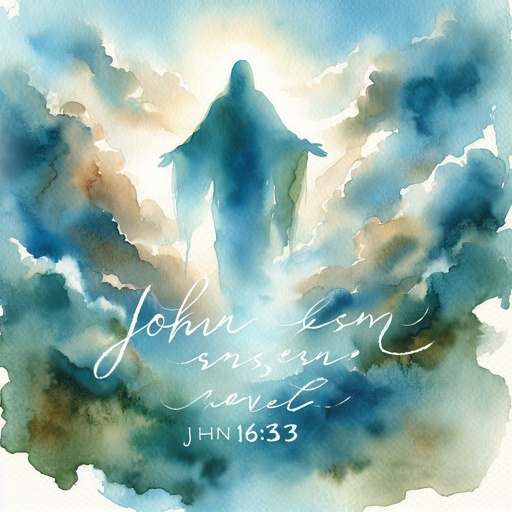
John 16:33

John 16:33

John 16 : 33

John 1:33

John 5:33 - "Ye sent unto John, and he bare witness unto the truth."

John 9:33 - "If this man were not of God, he could do nothing."

Mathew 6:33

Isaiah 33:6

Isaiah 33:6

Isaiah 33:6

John 12:33 - "This he said, signifying what death he should die."

John 19:33 - "But when they came to Jesus, and saw that he was dead already, they brake not his legs:"

"Ye sent unto John, and he bare witness unto the truth." - John 5:33

John 3:33 - "He that hath received his testimony hath set to his seal that God is true."

Mark 14:33 - "And he taketh with him Peter and James and John, and began to be sore amazed, and to be very heavy;"

John 4:33 - "Therefore said the disciples one to another, Hath any man brought him ought to eat?"

Genesis 33:6 - "Then the handmaidens came near, they and their children, and they bowed themselves."

Exodus 33:6 - "And the children of Israel stripped themselves of their ornaments by the mount Horeb."

John 18:33 - "Then Pilate entered into the judgment hall again, and called Jesus, and said unto him, Art thou the King of the Jews?"

Luke 7:33 - "For John the Baptist came neither eating bread nor drinking wine; and ye say, He hath a devil."

Matthew 6:33. Seeking God's righteousness
John 1:6 - "¶ There was a man sent from God, whose name was John."

Deuteronomy 33:6 - "¶ Let Reuben live, and not die; and let not his men be few."

John 6:63