Understanding Sacrifice: The Cost of Divine Sonship
"Therefore the Jews sought the more to kill him, because he not only had broken the sabbath, but said also that God was his Father, making himself equal with God." - John 5:18
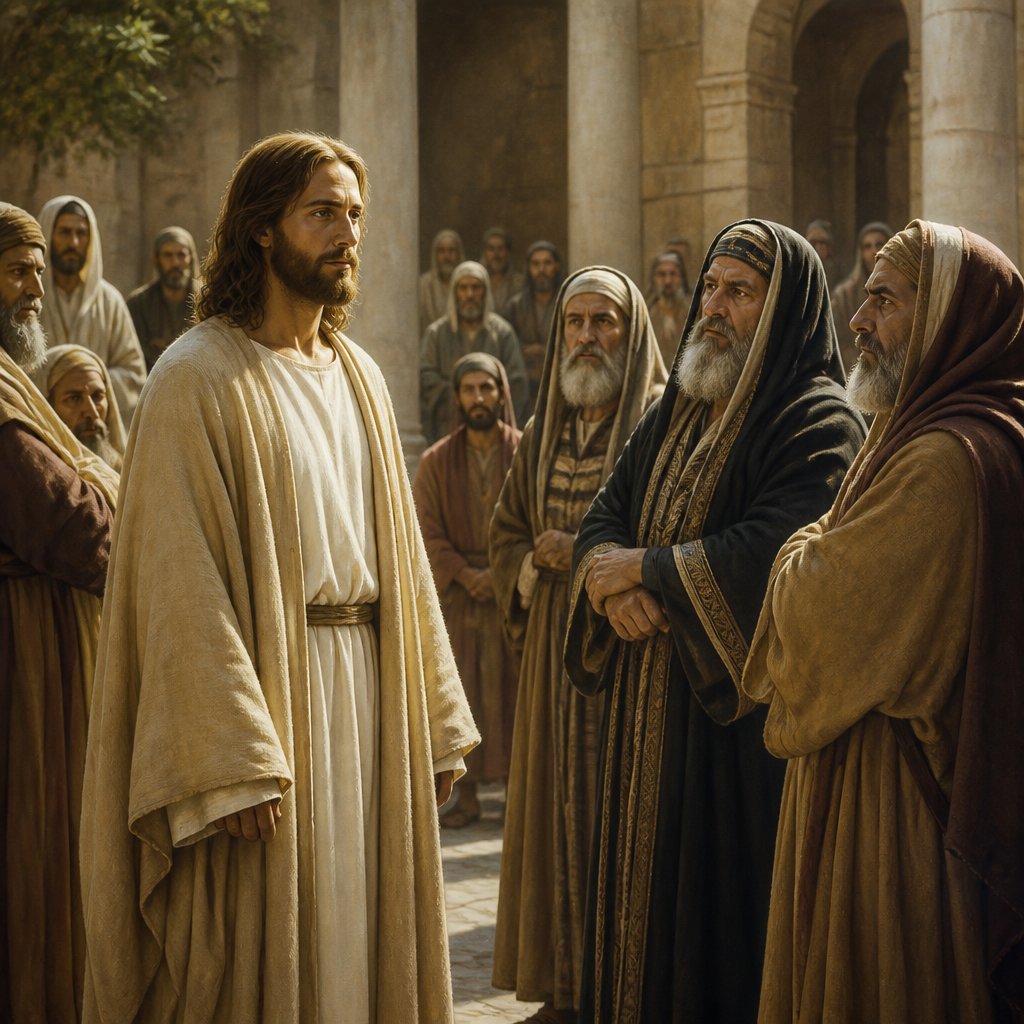
John 5:18 (KJV) opens a window into the profound tension present in the relationship between Jesus Christ and the religious leaders of His time. The verse states, "Therefore the Jews sought the more to kill him, because he not only had broken the sabbath, but said also that God was his Father, making himself equal with God."
In these few words, we see three major aspects: the misunderstanding of the Sabbath, the revelation of God's true character, and the consequence of Jesus' identity. Each of these themes invites us into deeper reflection about our own faith journey and invites us to consider the implications of Christ's claims over our lives.
First, we observe the Pharisees’ strict adherence to the Sabbath laws. The Jewish leaders had created a system of rules surrounding the Sabbath that had, over centuries, warped the original intention of rest and reverence. While the Sabbath was designed as a day of rest, reflection, and renewal, it had become a legalistic set of hurdles that stifled interaction with God. Jesus’ actions—those that healed the sick and liberated the oppressed on the Sabbath—pose a radical challenge to merely adhering to the trappings of the law. Jesus exemplified the heart of the law—love, mercy, and compassion—over the letter.
When we adhere strictly to our routines, practices, and religious customs, do we risk missing the heart of God? It prompts us to ask: Are we observing our own ‘Sabbaths’—be they traditional church attendance, rituals, or other expressions of faith—merely as a practice devoid of relationship? When we miss the essence of communal worship and personal reflection, we risk sacrificing the beauty of God’s presence for the safety of procedure. As believers, we must challenge ourselves to ensure our worship pleases God more than our desire to appear righteous.
Next, Jesus claiming God as His Father reveals a radical paradigm of divine fatherhood. In declaring, "God was his Father," Jesus asserts a unique and intimate relationship with God that was utterly transformative. It instructed the Jewish community—and us today—that God is not merely a distant deity demanding obedience but a relational Father who desires closeness with His children.
In context, this claim not only effects the understanding of divine authority but also brings forth our identity. By identifying as God’s children, we inherit His love, grace, and mercy. Yet, with such identity comes significant responsibility.
John 1:12 (KJV) reminds us, "But as many as received him, to them gave he power to become the sons of God, even to them that believe on his name." In believing on His name, we are welcomed into the family of God, having the divine privilege and power of being called His children. This aligns us with Christ and ultimately challenges us with the notion of how we honor that relationship. Do we reflect God’s character in our actions and attitudes?
Finally, Jesus’ claim makes himself "equal with God," eliciting a vehement response from the Jews who sought to kill Him. This illustrates the ultimate cost of His mission—truth can be a stumbling block. People often react strongly to the claims of Christ either in belief or disbelief. Acceptance of Christ requires not only personal sacrifice but, in some cases, communal pushback as we go against established norms. What Jesus models here is the courage to embrace truth, even when met with hostility.
As modern believers, we find comfort in knowing we are called to live out our faith authentically, despite the potential for misunderstanding or rejection. We are challenged to live lives that reflect our identity as children of God while navigating the complexities of a world not always welcoming of the radical grace and love that Jesus represents.
In conclusion, John 5:18 paints a vivid picture of conflict that arises when the heart of God clashes with rigid legalism. It calls us, as His followers, to explore deeply our own understanding of rest, relationship, and responsibility—to love genuinely, live boldly, and faithfully reflect the character of our Heavenly Father.
Want to reflect more on John 5:18?
Continue your spiritual journey with Bible Chat — an AI-powered tool for exploring God's Word through conversation. Ask questions, discover connections, and deepen your understanding.
Get Our Apps


John 5:18 Artwork

1 John 5:18

1 John 5:18 - "We know that whosoever is born of God sinneth not; but he that is begotten of God keepeth himself, and that wicked one toucheth him not."

John 5:18 - "Therefore the Jews sought the more to kill him, because he not only had broken the sabbath, but said also that God was his Father, making himself equal with God."

"We know that whosoever is born of God sinneth not; but he that is begotten of God keepeth himself, and that wicked one toucheth him not." - 1 John 5:18
"Therefore the Jews sought the more to kill him, because he not only had broken the sabbath, but said also that God was his Father, making himself equal with God." - John 5:18

John 18:5 - "They answered him, Jesus of Nazareth. Jesus saith unto them, I am he. And Judas also, which betrayed him, stood with them."

John 7:17-18

John 7:17-18

John 7:17-18

John 7:17-18

John 18:25

john 18:36

1 John 4:18

1 John 4:18

John 15:5

John 15:5

John 5:2

John 5:33 - "Ye sent unto John, and he bare witness unto the truth."

John 18:27 - "Peter then denied again: and immediately the cock crew."

John 6:18 - "And the sea arose by reason of a great wind that blew."

John 5:5 - "And a certain man was there, which had an infirmity thirty and eight years."

John 5:28

John 5:28

John 5:28

1 John 5:5 - "Who is he that overcometh the world, but he that believeth that Jesus is the Son of God?"

Mark 2:18 - "And the disciples of John and of the Pharisees used to fast: and they come and say unto him, Why do the disciples of John and of the Pharisees fast, but thy disciples fast not?"
Luke 7:18 - "And the disciples of John shewed him of all these things."

John 18:18 - "And the servants and officers stood there, who had made a fire of coals; for it was cold: and they warmed themselves: and Peter stood with them, and warmed himself."
John 1:1-5
John 3:5-8