The Greater Well: A Deeper Thirst for Life
"Art thou greater than our father Jacob, which gave us the well, and drank thereof himself, and his children, and his cattle?" - John 4:12
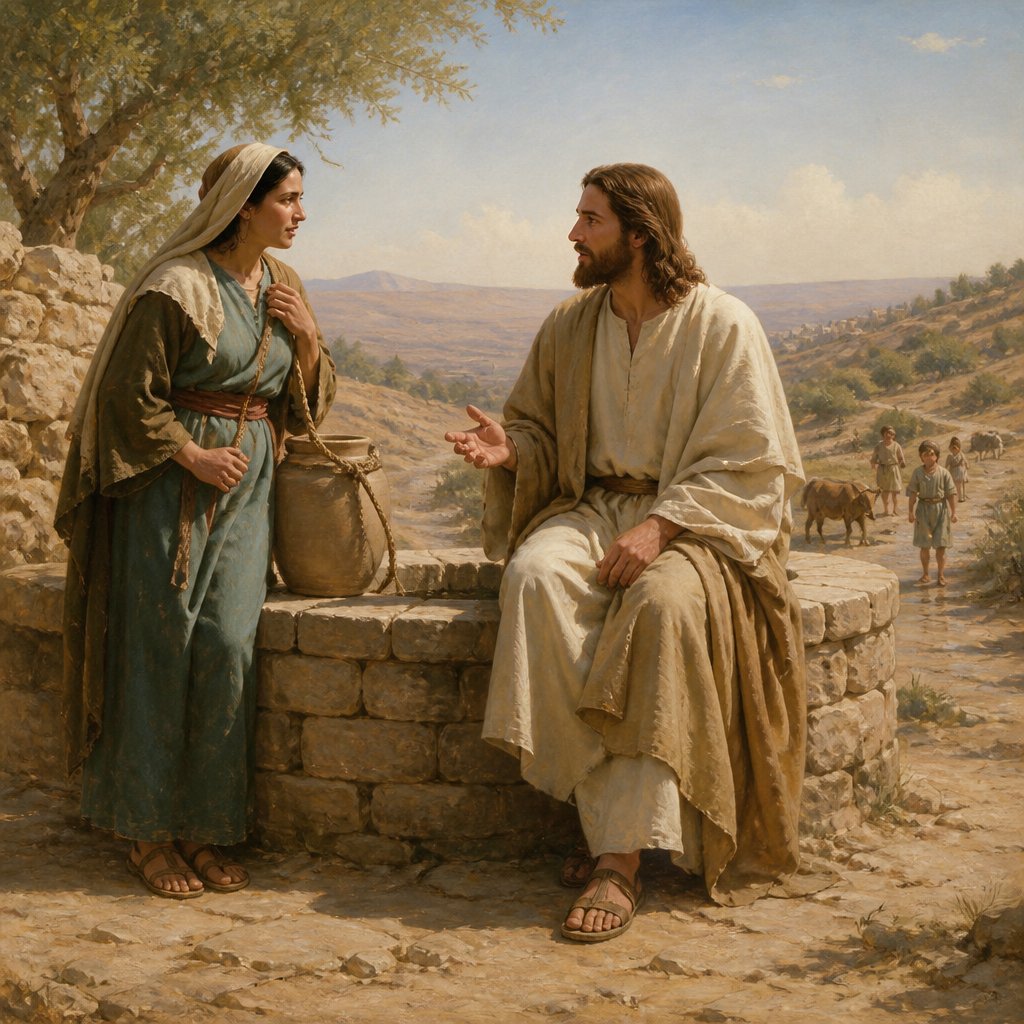
In the profound conversation between Jesus and the Samaritan woman at the well, recorded in John 4:12, the woman questions Jesus by asking, "Art thou greater than our father Jacob, which gave us the well, and drank thereof himself, and his children, and his cattle?" This inquiry opens a door to a deeper understanding of spiritual fulfillment and the significance of seeking life’s true sustenance.
The historical context of this passage reveals not just the physical thirst for water but a thirst for understanding and truth that transcends generations. Jacob, the patriarch, had dug this well and passed it down to his descendants as a source of physical nourishment. The Samaritan woman, drawing water from this historic site, symbolizes the effort of many in humanity who seek satisfaction from sources that, while valuable, are ultimately limited. How often do we hold onto the wells of past generations, anchoring our hopes and identities in the relics of what once was exciting or God-given, without stepping forward to seek something greater?
Jesus, standing before the woman, represents not only a greater source of water but the living water that quenches the deepest thirst of the soul. His response later in John 4:14 states, "But whosoever drinketh of the water that I shall give him shall never thirst; but the water that I shall give him shall be in him a well of water springing up into everlasting life." Here, Jesus reveals His divine nature. He is greater than Jacob, not because He surpassed him in accomplishments but because He offers something Jacob, despite his well-digging efforts, cannot provide: eternal life.
As we reflect on this, we must consider the wells we draw from in our own lives. Are we consistently returning to sources that can never fully satisfy us? Perhaps we look to material possessions, relationships, or even historical ideologies that echo with relevance but leave an emptiness once the excitement fades. Just like the woman at the well, we need to confront the reality that these sources, while they may sustain us temporarily, cannot satisfy the profound hunger of our souls.
The Bible presents Jesus as the Bread of Life (John 6:35) and the Light of the World (John 8:12). These metaphors go hand-in-hand with the living water He offers. When we accept Him as our source, we are assured of provision that goes beyond temporary needs, entering us into an eternal relationship that brings true sustenance. In our journey of faith, it is essential not to settle for mere cultural or societal wells that cannot ultimately nourish our spirit. Instead, let us strive to connect with the living Christ, who beckons us to drink deeply from His endless reservoir of grace and truth.
Moreover, this verse also reveals Jesus’s mission to break barriers between peoples. The conversation with a Samaritan woman shows His intent to reach all of humanity, particularly those marginalized by society. His reply to her question affirms that He comes not just as a teacher or prophet, but as the Savior who transcends all boundaries of race, religion, and tradition. As we embrace Him, we are called into a community that is inclusive and healing, where we no longer draw from the bitter wells of division but instead nurture a spirit of oneness in Christ.
In conclusion, let us ask ourselves: where do we drink? Do our sources bring satisfaction or disillusionment? May we reject the temptation of clinging to earthly wells and instead run to our Savior, who promises a fountain of living water that nourishes our hearts eternally. Let us move from dependence on the past to reliance on Christ, who is indeed greater than all who have come before, offering us sustenance that transcends time and offerings, leading us to a life overflowing with joy and purpose.
Want to reflect more on John 4:12?
Continue your spiritual journey with Bible Chat — an AI-powered tool for exploring God's Word through conversation. Ask questions, discover connections, and deepen your understanding.
Get Our Apps


John 4:12 Artwork

John 4:12 - "Art thou greater than our father Jacob, which gave us the well, and drank thereof himself, and his children, and his cattle?"

1 John 4:12 - "No man hath seen God at any time. If we love one another, God dwelleth in us, and his love is perfected in us."
"Art thou greater than our father Jacob, which gave us the well, and drank thereof himself, and his children, and his cattle?" - John 4:12
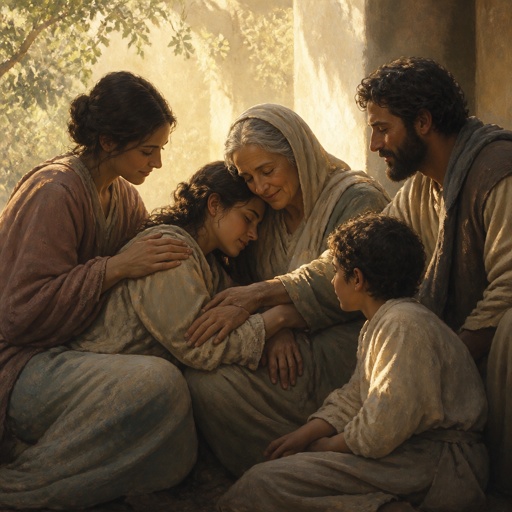
"No man hath seen God at any time. If we love one another, God dwelleth in us, and his love is perfected in us." - 1 John 4:12

Matthew 4:12 - "¶ Now when Jesus had heard that John was cast into prison, he departed into Galilee;"

John 12:4 - "Then saith one of his disciples, Judas Iscariot, Simon's son, which should betray him,"
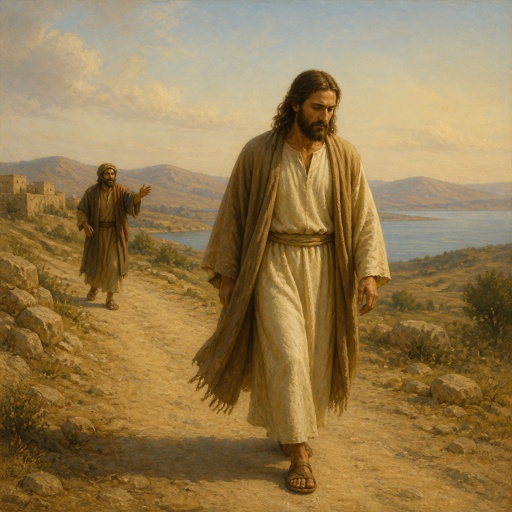
"¶ Now when Jesus had heard that John was cast into prison, he departed into Galilee;" - Matthew 4:12
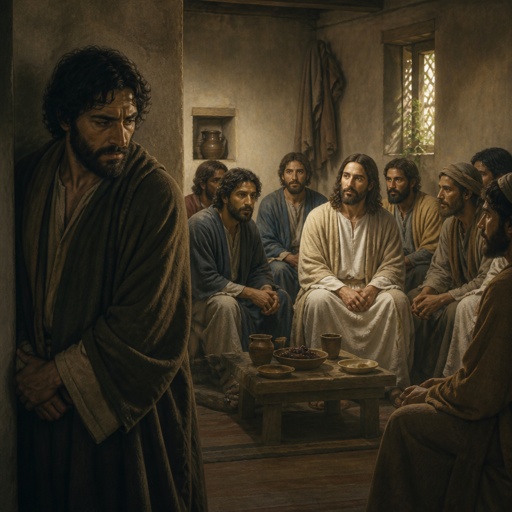
"Then saith one of his disciples, Judas Iscariot, Simon's son, which should betray him," - John 12:4
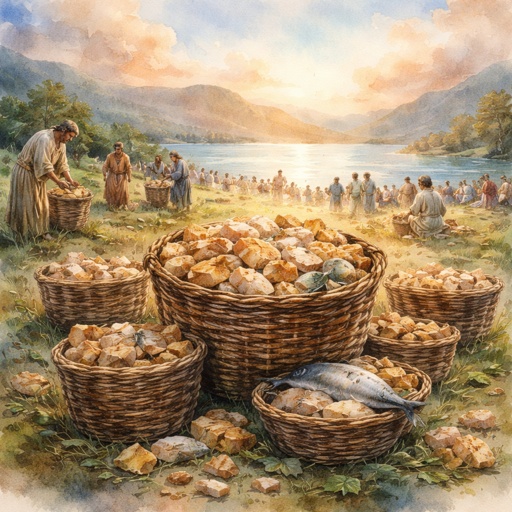
John 6:12

John 8:12

1 John 4:11-12 - "Beloved, if God so loved us, we also ought to love one another. No one has ever seen God; if we love one another, God abides in us and his love is perfected in us."

John 12:25

John 8:12

John 8:12
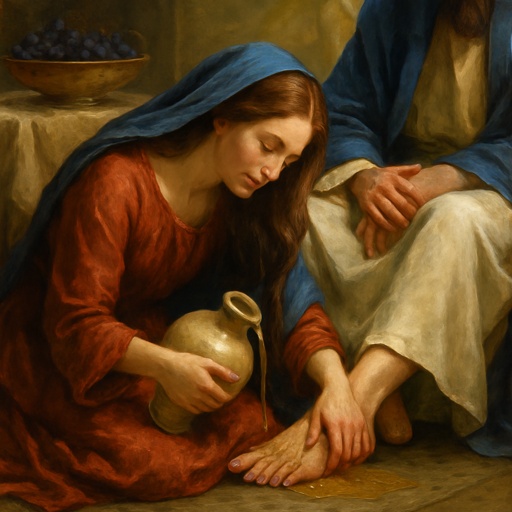
John 12:3

John 8:12

John 4:4 - "And he must needs go through Samaria."

John 20:11-12

John 12:12 - "¶ On the next day much people that were come to the feast, when they heard that Jesus was coming to Jerusalem,"

John 4:16

John 3:4

John 4:16

John 4:16

John 4:16

John 4:16

John 4:16

John 4:16

John 4:16

John 3:4

John 4:16