Living Water: The Depths of Our Thirst
"The woman saith unto him, Sir, thou hast nothing to draw with, and the well is deep: from whence then hast thou that living water?" - John 4:11
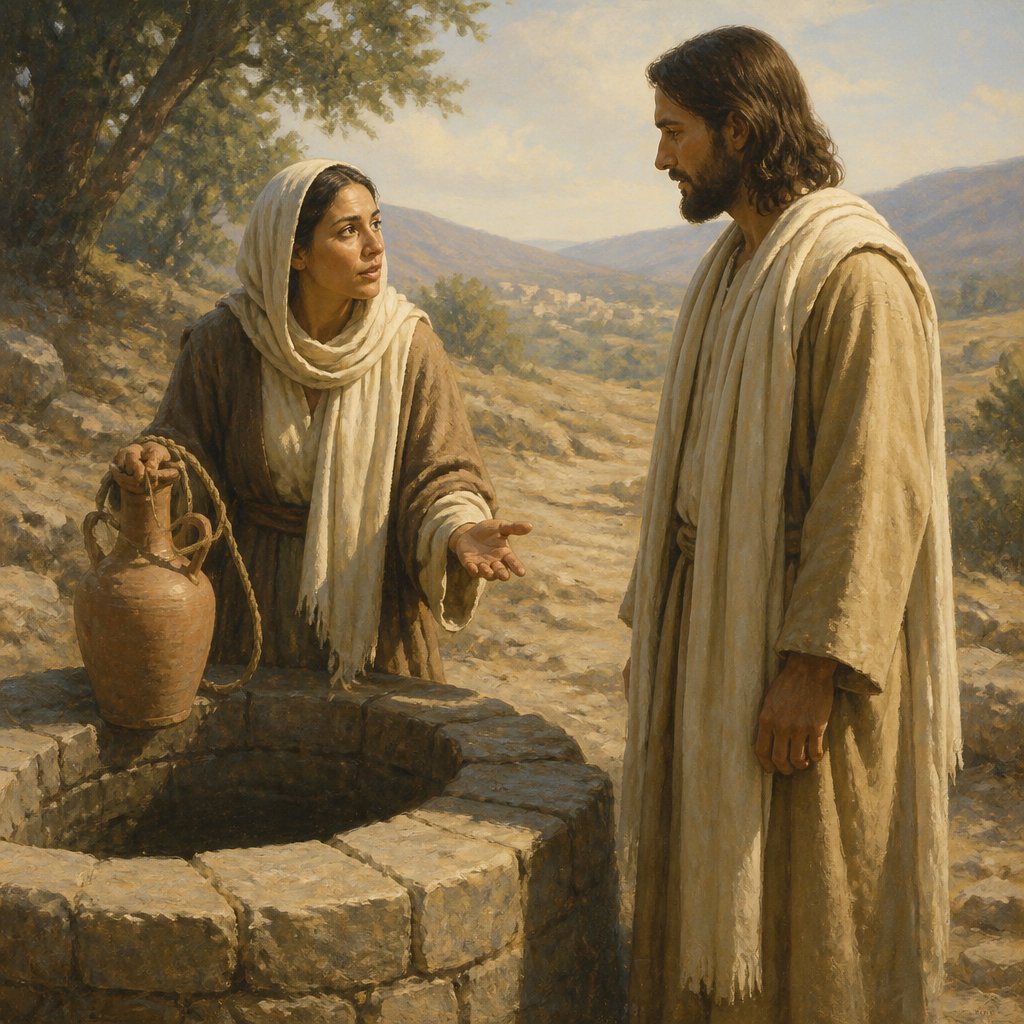
In John 4:11, we encounter a profound moment of dialogue between Jesus and the Samaritan woman at Jacob’s well. The verse reads: "The woman saith unto him, Sir, thou hast nothing to draw with, and the well is deep: from whence then hast thou that living water?" This interaction is rich with meaning, revealing the spiritual truths woven throughout Jesus’ ministry and the very essence of our human condition.
At first glance, the woman’s words may appear to be mere questions driven by skepticism; her rational mind weighs the physical against the spiritual. Jesus has asked her for water, subtly presenting an invitation for deeper communion. However, it is the response of the Samaritan woman that opens a window into the human experience of thirst—both physical and spiritual.
The well from which she draws water is deep, a metaphor for the profundity of her life’s challenges and issues. Just as she needs an implement to draw water from the well, we often seek tools, means, or ways to satisfy our own thirsts. She knows that something is missing in her life, but she cannot conceive of what Jesus is offering.
As we delve into this moment, we can self-reflect: what wells are we drawing from? Are they deep wells filled with the waters of temporal satisfaction—work, relationships, materialism—promising to quench our thirst, yet leaving us parched? The woman’s perception of Jesus as a mere man points to our limitations in recognizing the holiness of the divine. She cannot see the living water that is within reach, nor does she realize that it is not an external source, but an internal transformation that Jesus offers.
In discussing the concept of ‘living water’, we must first understand what Jesus means by it. In John 4:14, shortly after this exchange, He assures her that “whosoever drinketh of the water that I shall give him shall never thirst; but the water that I shall give him shall be in him a well of water springing up into everlasting life.” Unlike the water from Jacob’s well, which only temporarily quenches thirst, this living water brings eternal satisfaction; it is the salvation offered through Christ. The depth of this living water is unfathomable, fittingly contrasted with the physical depth of the well she knows.
Furthermore, Jesus does something remarkable: He engages with a person who is marginalized in society—the Samaritan woman. His willingness to speak to her reflects the depth of His love and the inclusive nature of grace. In her moment of vulnerability, He offers her living water, suggesting that no one is too lost or too distant from His reach. Jesus came specifically to meet people at their point of need, regardless of societal judgments or expectations.
The question posed by the woman reminds us of our own doubts and the barriers created by our skepticism. We often question God’s capability in our lives: Can He truly meet my needs? Will He fill the empty spaces? The response lies not in human reason, but in faith. To grasp the gift of living water, we must be willing to let go of our perceived limitations and approach Jesus with humility, asking Him to fulfill our greatest needs.
Today, let us reflect on the wells we turn to for satisfaction. Are they deep and unquenchable? How often do we turn to the Lord, the giver of living water, in our thirst? May we be reminded that only He possesses the eternal means to satiate our desire for purpose, belonging, and life everlasting. Like the woman at the well, let us recognize our need for something greater, something deeper, and come to Christ who promises that in Him we shall never thirst again.
Want to reflect more on John 4:11?
Continue your spiritual journey with Bible Chat — an AI-powered tool for exploring God's Word through conversation. Ask questions, discover connections, and deepen your understanding.
Get Our Apps


John 4:11 Artwork

1 John 4:11 - "Beloved, if God so loved us, we ought also to love one another."
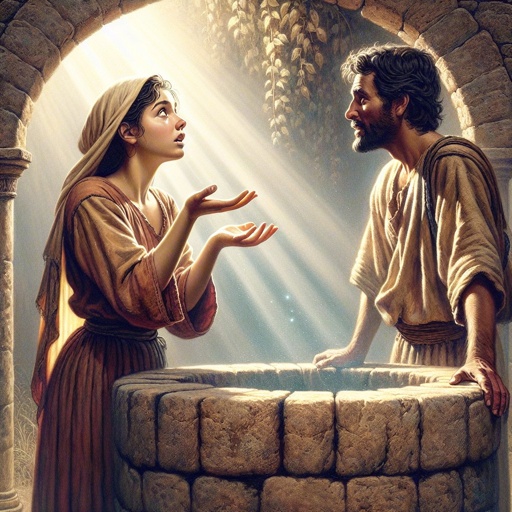
John 4:11 - "The woman saith unto him, Sir, thou hast nothing to draw with, and the well is deep: from whence then hast thou that living water?"
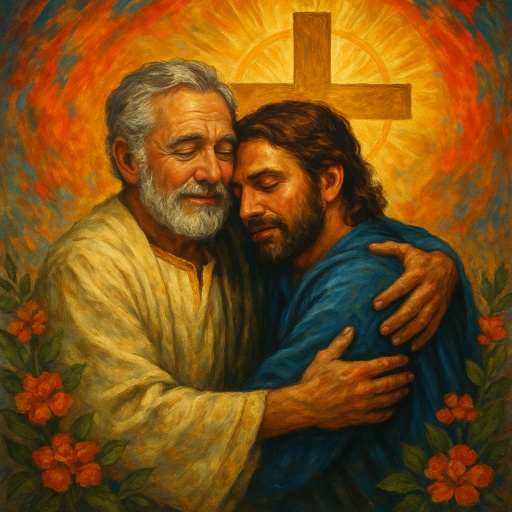
"Beloved, if God so loved us, we ought also to love one another." - 1 John 4:11

1 John 4:11-12 - "Beloved, if God so loved us, we also ought to love one another. No one has ever seen God; if we love one another, God abides in us and his love is perfected in us."
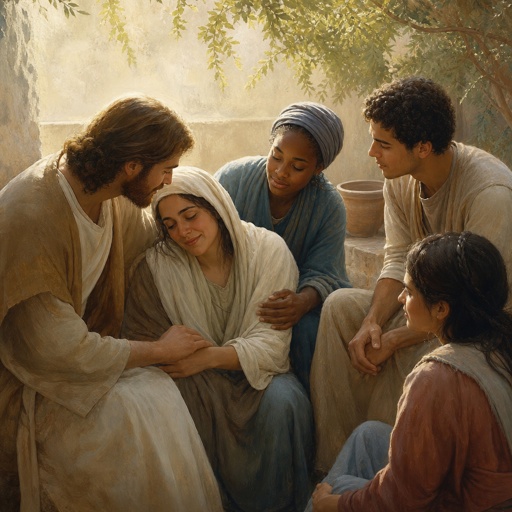
"Beloved, if God so loved us, we ought also to love one another." - 1 John 4:11
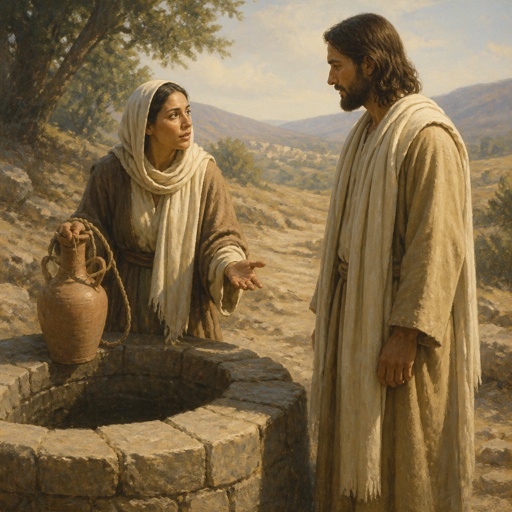
"The woman saith unto him, Sir, thou hast nothing to draw with, and the well is deep: from whence then hast thou that living water?" - John 4:11
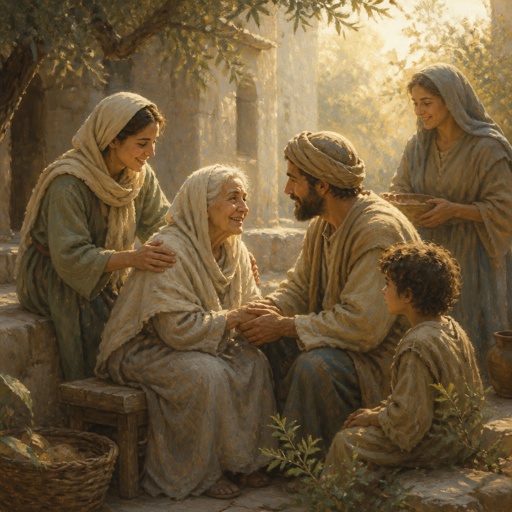
"Beloved, if God so loved us, we also ought to love one another. No one has ever seen God; if we love one another, God abides in us and his love is perfected in us." - 1 John 4:11-12

John 8:4-11

John 11:4 - "When Jesus heard that, he said, This sickness is not unto death, but for the glory of God, that the Son of God might be glorified thereby."

Matthew 11:4 - "Jesus answered and said unto them, Go and shew John again those things which ye do hear and see:"

John (11:35) Jesus wept.

John (11:35) Jesus wept.

John (11:35) Jesus wept.

John 11:35

John 15.1-11

John 11:35

John (11:35) Jesus wept.

John (11:35) Jesus wept.

John (11:35) Jesus wept.

John (11:35) Jesus wept.
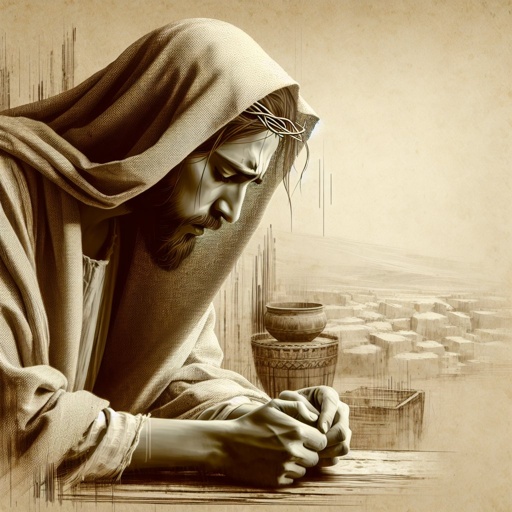
John 11:35 - "Jesus wept."

John (11:35) Jesus wept.

John (11:35) Jesus wept.

John (11:35) Jesus wept.

John (11:35) Jesus wept.

John (11:35) Jesus wept.

John (11:35) Jesus wept.

John (11:35) Jesus wept.

John 4:4 - "And he must needs go through Samaria."

John 20:11-12